Ebro Hydrological Plan allocates only 0.25% to mobilize sediments
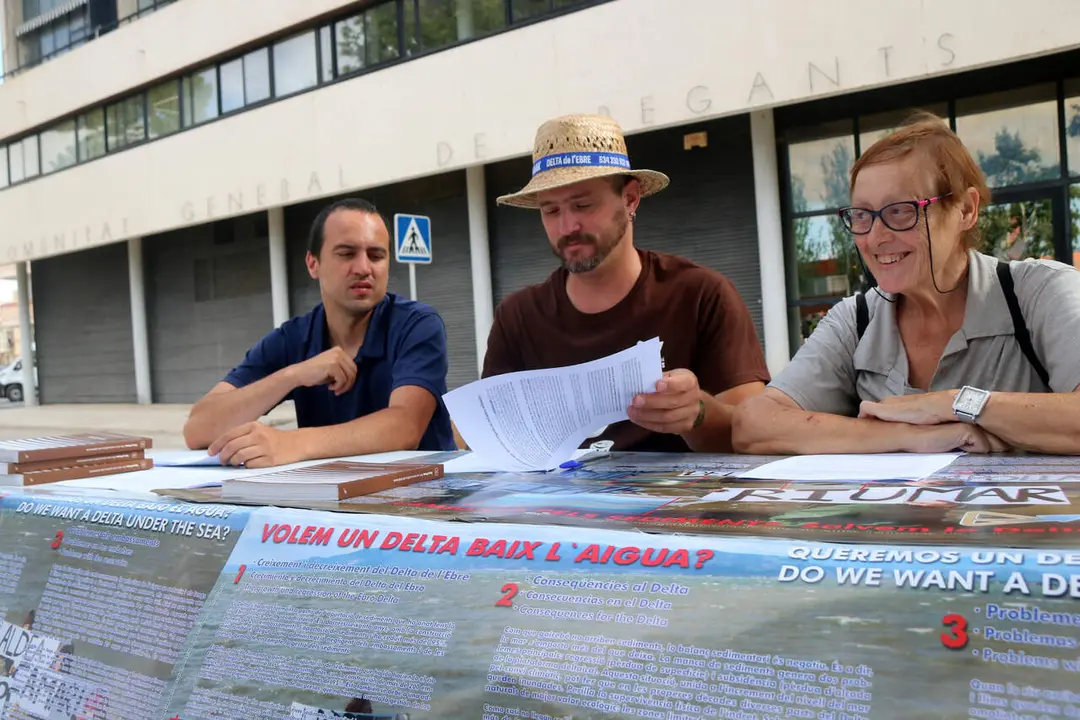

The new Ebro Hydrological Plan allocates only 0.25% of its resources for sediment mobilization, a figure that has outraged local groups. This meager allocation contrasts with the 30% dedicated by other advanced countries, according to activists and unions.
Sediment mobilization is key to the health of the Ebro delta and the sustainable management of the river. However, despite this, the planned resources are almost symbolic. The groups allege that the Spanish administration and the Consensus Table are not taking action.
The joint request: why it is urgent to increase resources
What is the current situation in the Ebro Hydrological Plan?
The plan for the 2028-2033 period only foresees dedicating 0.25% of the funds from the Ebro Hydrographic Confederation (CHE) to sediment mobilization trials. A minuscule figure compared to other countries.
How does this affect the delta and the local residents?
This neglect endangers the natural regeneration of the delta, with direct consequences for protection against erosion and the maintenance of local ecosystems. For residents, this means a more vulnerable environment and fewer natural resources.
The involved actors and their criticisms
Who are those calling for change and what do they say?
The Sediments Association, Ecologists in Action, and CGT of the Ebro Lands have jointly submitted objections to the plan. They denounce the passivity of the Spanish government and criticize the Consensus Table for not proposing any effective sediment management.
Why has the Consensus Table not advanced on this issue?
The Table, made up of irrigators and deltaic municipalities, seems blocked or indifferent to this problem. This lack of initiative has frustrated the groups, who demand more commitment and concrete action.
International comparison and possible alternatives
How do other countries manage sediments and what can we learn?
France, the United States, and Japan allocate around 30% of their resources to mobilizing sediments. This percentage is key to maintaining their deltas and avoiding environmental degradation, a model that our territory could follow.
What concrete measures could be implemented in the Ebro?
Increase the budget for sediment mobilization, conduct studies and pilot tests, and establish periodic maintenance protocols that guarantee the sustainability of the delta. These steps will help reverse the current situation.
| Country | Percentage of resources for sediments |
|---|---|
| France | 30% |
| United States | 30% |
| Japan | 30% |
| Ebro Basin (Hydrological Plan 2028-2033) | 0.25% |
The difference is vast and puts on the table the need for an urgent revision of the plan.
Sediment mobilization is not a minor technical detail, but a vital element for environmental balance and the economic survival of the delta. This battle between assigned resources and real needs is still open. We will see if the administration listens or remains idle.
Source of the article: Jordi Marsal | ACN