The impact of the gigafactories in Móra la Nova: alert in Tortosa
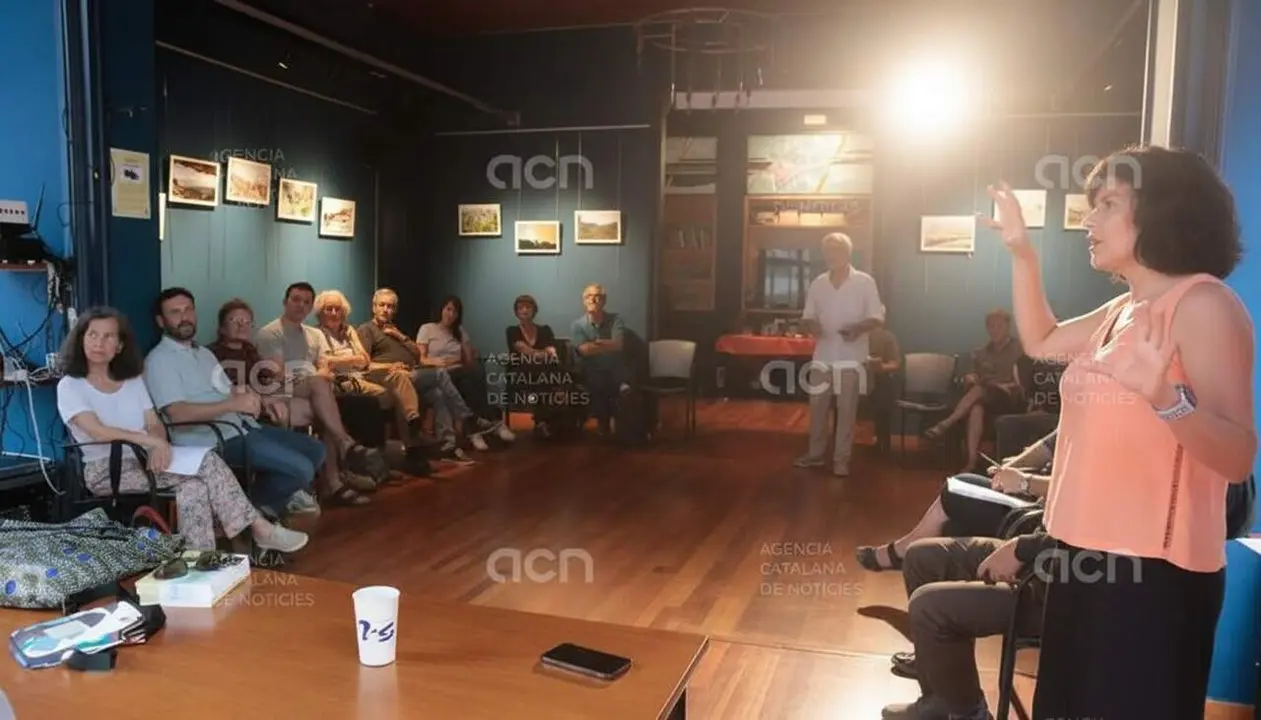

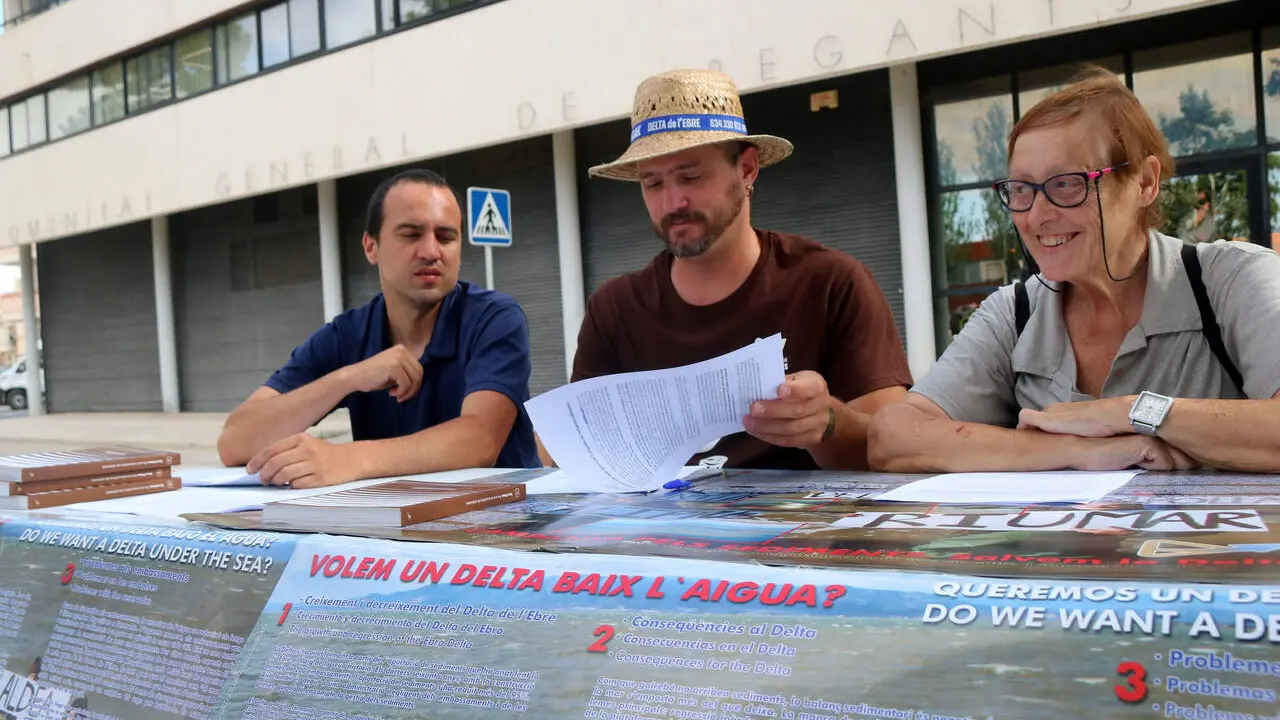
When a gigafactory steps onto the scene, it does not only make noise because of the machinery. In Móra la Nova, the concern goes further: water. Júlia Martínez, president of the Nova Cultura de l'Aigua Foundation, brought up an issue that could affect the lives of many.
The installation of these massive companies that consume water is an open debate in Tortosa, where the organization has warned about a fact that may go unnoticed but can have serious consequences for the local population and water management.
The environmental impact of gigafactories in Móra la Nova
A water consumption that strains human supply
Gigafactories, with their accelerated and intensive water consumption, can endanger essential resources for the population. Móra la Nova could be affected, as water availability is not abundant and the competition between industrial use and human supply becomes tangible.
Martínez denounced the lack of clear regulation by the state government, which seems to ignore the environmental and social risks when authorizing these projects. This "red carpet" endangers the sustainability of resources.
The lack of effective regulation
The Nova Cultura de l'Aigua Foundation criticizes that many data centers are being approved without taking into account a thorough study on the impact on the territory and water resources. This expansion model could end up generating a serious imbalance in areas like Móra la Nova.
Residents, however, do not always have a voice in this process, a fact that the organization denounces as worrying, since water management affects everyone, not just companies.
The call to participate in the public consultation on the hydrological plan
An opportunity for civil society
The new Ebro hydrological plan will be the space where the future of water management in the region is decided. The Foundation makes an explicit call to civil society to actively participate in the public consultation.
Participating is not only advisable but necessary. The future of water, a scarce and vital good, is in the hands of the citizens who can now express opinions and influence the plan.
How to participate and what is at stake
The public consultation will allow contributions of opinions, suggestions, and complaints about water planning. This will influence how resources are distributed and ecosystems are protected.
If society does not make its voice heard, we run the risk that important decisions will be made without real oversight, placing the safeguarding of basic rights such as access to water in a secondary position.
The current situation and the future of water in the county
A challenge for local administrations
The case of Móra la Nova and other municipalities in the county highlights the need for local administrations to adopt a more active and rigorous role in managing water resources.
Demanding transparency and sustainable planning is not a luxury, but an urgency to prevent industrial interests from overshadowing the wellbeing of the citizens.
What this implies for the residents
Competition for water may translate into restrictions, price increases, or even impacts on the local ecosystem that result in lower quality of life. This is not a distant future but a scenario that can be avoided if there is awareness and action.
| Aspect | Impact | Duration/Notes |
|---|---|---|
| Water consumption | Competition with human supply | High and constant |
| State regulation | Lack of clear management | Under review |
| Public participation | Consultation on hydrological plan | Upcoming call |
| Local effects | Possible restrictions and environmental impacts | Depends on future decisions |
The issue is not only technical but social and political. What do we want for the future of our water? This question remains open, and the answer is in your hands.
If you live in the county, you will surely be interested in closely following how this issue develops, which could change the way we live and share such a basic resource as water.
Source of the article: Editorial | ACN