2,000 hectares of the Ebro Delta receive treatment against mosquito larvae
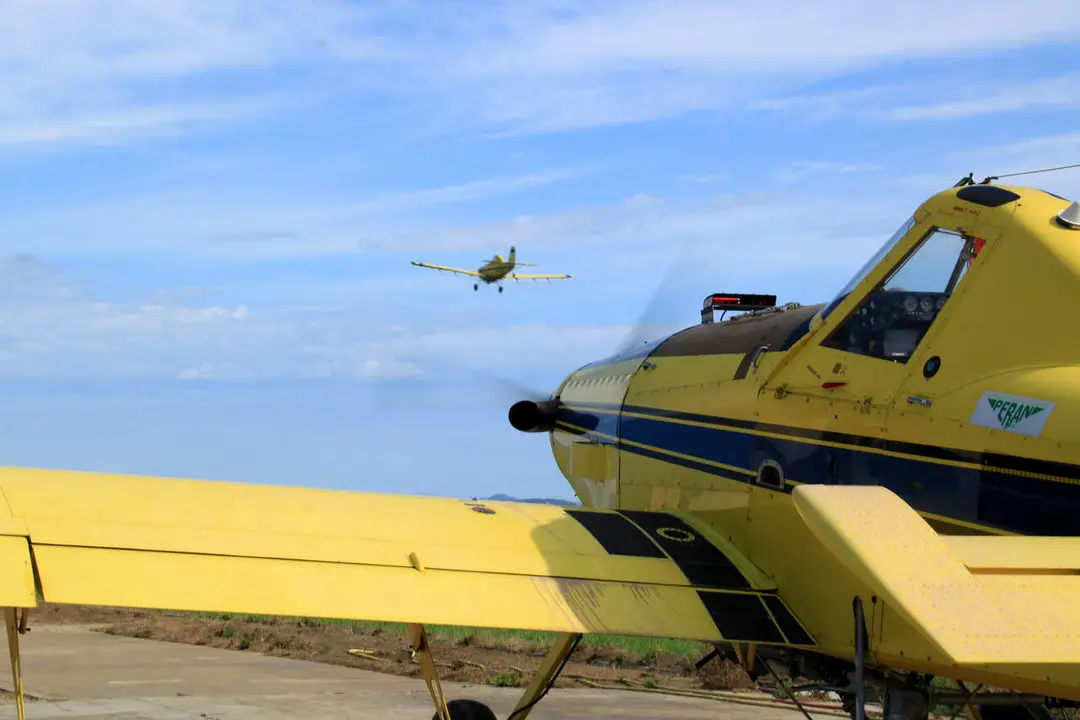

The Consortium of Environmental Policies of the Terres de l'Ebre (COPATE) deploys specific treatments over 2,000 hectares of rice fields to control mosquito larvae. These actions aim to reduce the presence of these insects in the inhabited areas of the Ebre Delta during the period of maximum activity.
The work will begin in the left hemidelta and will later move to the right hemidelta, applying methodologies compatible with environmental protection and the natural surroundings.
What does the treatment against mosquito larvae involve?
Why is it key to control larvae instead of adult mosquitoes?
Controlling larvae is more effective because it prevents mosquitoes from reaching the adult stage, thus reducing the overall population and their presence in urban areas where they are a nuisance and can transmit diseases.
How is it ensured that the treatments are respectful to the Delta?
COPATE uses specific methodologies that preserve the ecological values of the Delta, avoiding negative impacts on the biodiversity and natural environment of the treated areas.
Where and when are treatments carried out in the rice fields?
What is the exact extent of the treated areas?
The treatments cover about 2,000 hectares of rice fields situated around the inhabited nuclei of the Delta, distributed between the left and right hemideltas, paying special attention to the areas closest to urban spaces.
When and how will the treatment tasks be carried out?
The campaign begins on the first Tuesday of June 2026, with four treatments planned over the months of highest mosquito activity, using aerial and ground techniques to cover the entire surface.
How does this affect the inhabitants and visitors of the Ebre Delta?
What practical benefits will the local residents have?
Fewer adult mosquitoes means fewer nuisances and a lower risk of bites or possible transmissions, improving the quality of life in the urban and tourist areas of the Delta.
Are there any risks or drawbacks for the population or the environment?
The treatments are designed to be safe, with minimal environmental impact and no harm to human health, thanks to the use of products and techniques compatible with the preservation of the Delta.
| Aspect | Detail |
|---|---|
| Treated area | 2,000 hectares of rice fields around inhabited nuclei |
| Start of treatments | Tuesday, June 9, 2026 |
| Number of planned treatments | 4 during the months of highest activity |
| Methods | Environmentally respectful methodologies, ecological compatibility |
Source of the article: Editorial Staff | ACN