50 Catalan beaches allow dogs to swim this summer: where they are and what you need to know
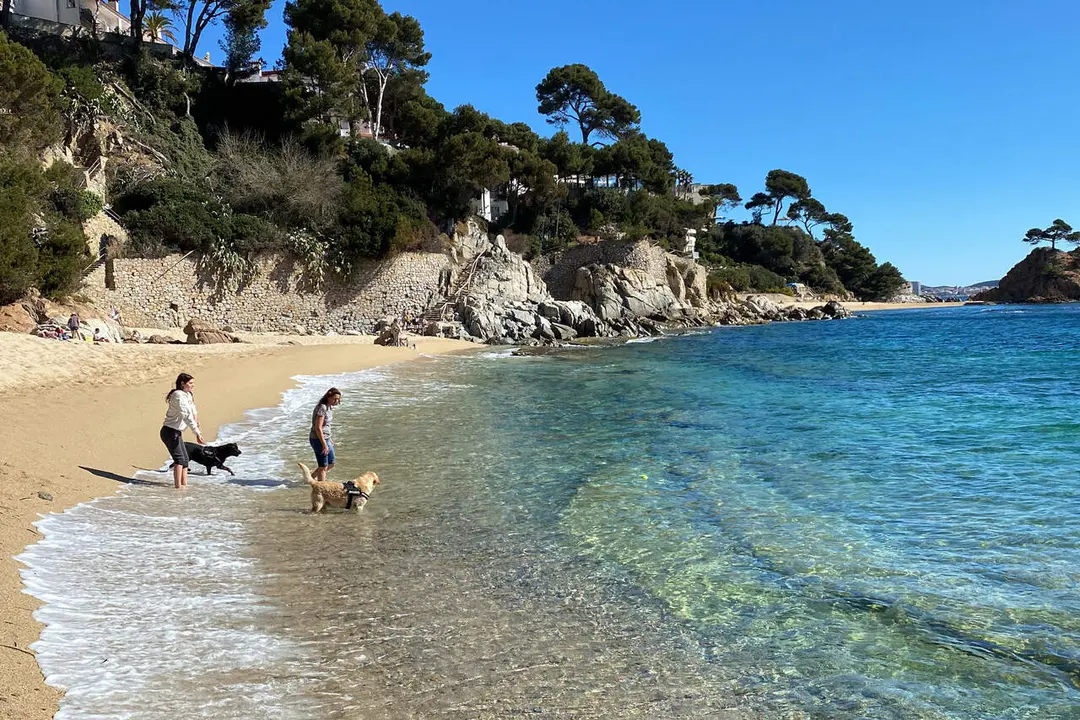

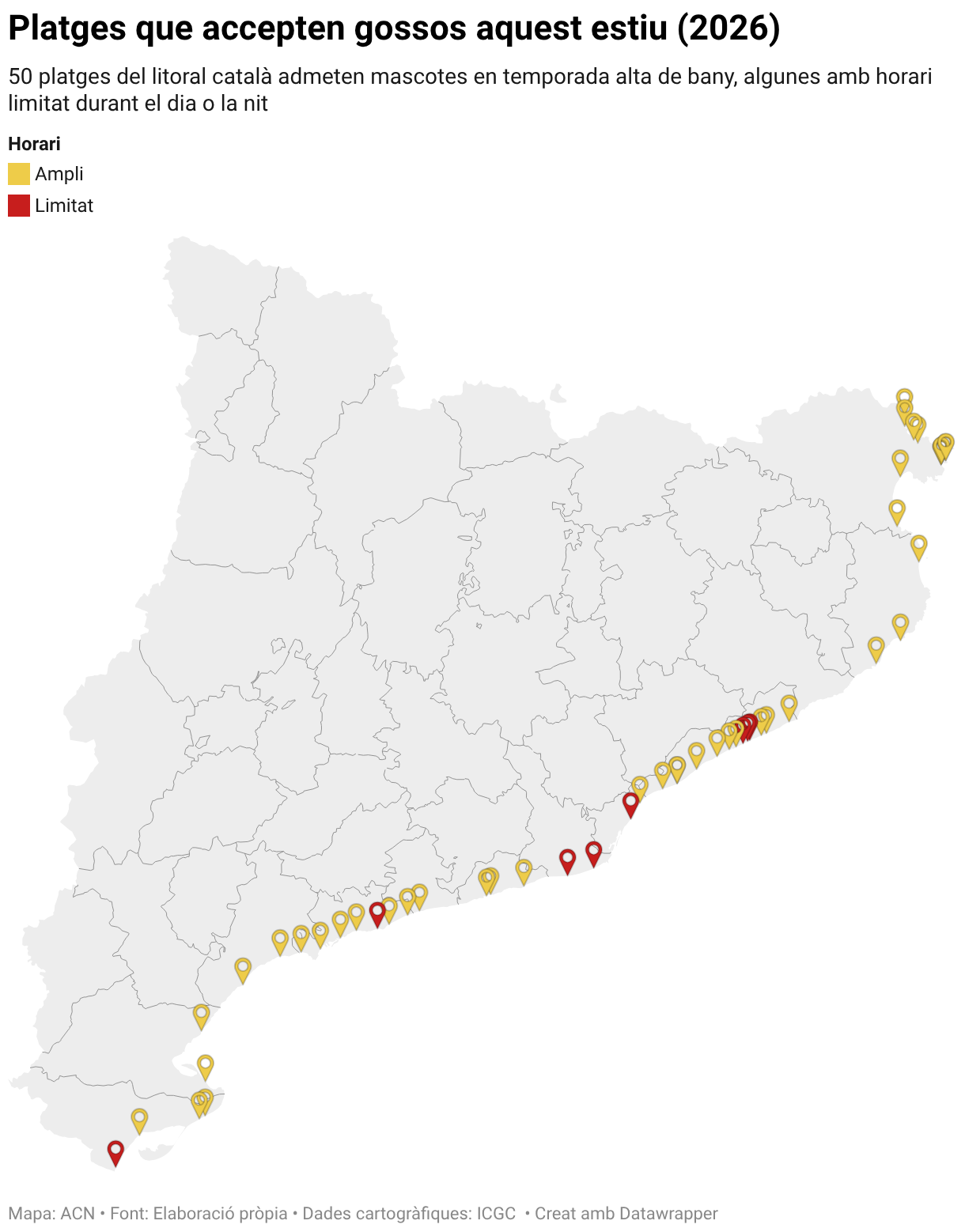
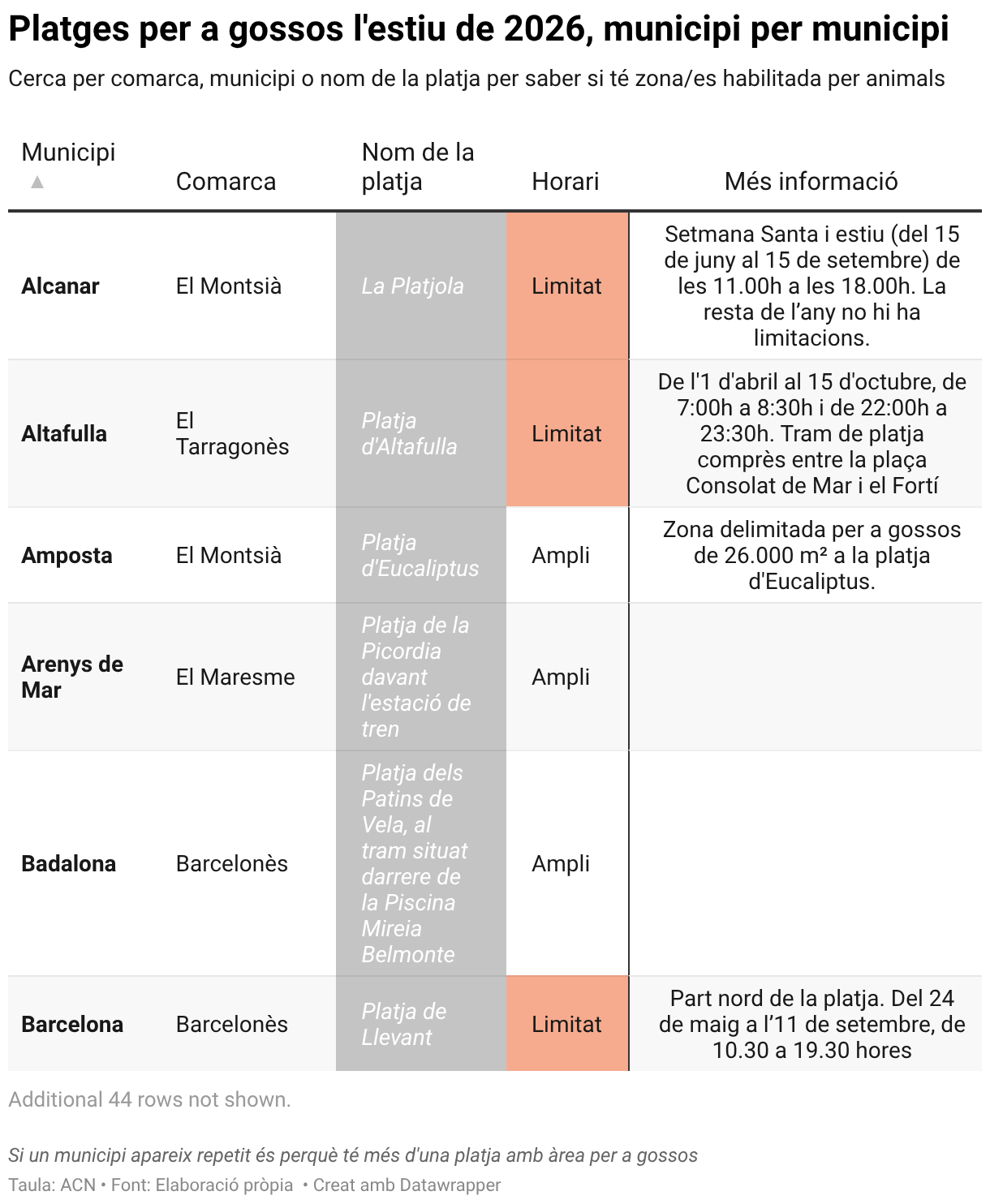
The Catalan coast reopens its doors to pets with 50 beaches where dogs can get wet this summer. This figure maintains the balance compared to the previous year, but not without changes that draw attention.
Vila-seca inaugurates its first space in La Pineda, while Tarragona expands its offer with two designated areas. Cubelles, on the other hand, has been left off this year's map due to construction. La Selva remains a notable exception: no beaches with access for dogs.
New distribution of spaces for dogs on Catalan beaches
Municipalities and counties with the most designated areas
Currently, more than 60% of the 70 coastal municipalities in Catalonia have spaces for dogs, with or without time restrictions. Maresme leads with 80% of its municipalities offering a total of 13 dog-friendly beaches.
The emergence of Vila-seca with its first area in La Pineda and the expansion in Tarragona with two new areas reflects a growing trend to allow coexistence with pets on the coast.
Cases that mark exceptions
La Selva continues to be the only coastal county that prohibits dog access to beaches during the summer, a reality that contrasts with the rest of the Catalan coast. Cubelles has lost its area due to construction that prevented the service’s continuity.
These local decisions reveal a diversity of approaches in managing public spaces for companion animals.
What types of spaces and services do dog beaches offer?
Designated zones and bathing schedules
Dog beaches usually have clear delimitations to ensure coexistence among users. Many impose specific hours that allow both animal lovers and other bathers to find their space.
This model helps avoid conflicts and guarantees cleanliness and safety, although the regulations vary depending on the municipality.
Additional services and regulations
Some beaches offer adapted services, such as water points and shaded areas for pets, as well as containers for waste. Most require that dogs be vaccinated and leashed, especially in more crowded areas.
These requirements ensure responsible use and prevent health or coexistence problems.
Impact and reactions to the new offer of dog beaches
Opinion of residents and tourists
Users with dogs positively value the possibility of enjoying the coast with their pets. These areas represent a relief and a new leisure opportunity for many families.
However, there are critical voices warning of possible nuisances or lack of maintenance in some areas.
Response from municipalities and managers
Municipalities that promote spaces for dogs defend the initiative as an inclusive project adapted to current needs. They are aware of the challenges involved in maintaining cleanliness and order, but trust the responsibility of users.
The construction in Cubelles exemplifies the material obstacles that can affect the continuity of these areas.
The reality is that dog beaches have become another element of the Catalan coast, with slow but sustained growth.