The first Spanish Master Sommelier: wine as service and passion without pomposity
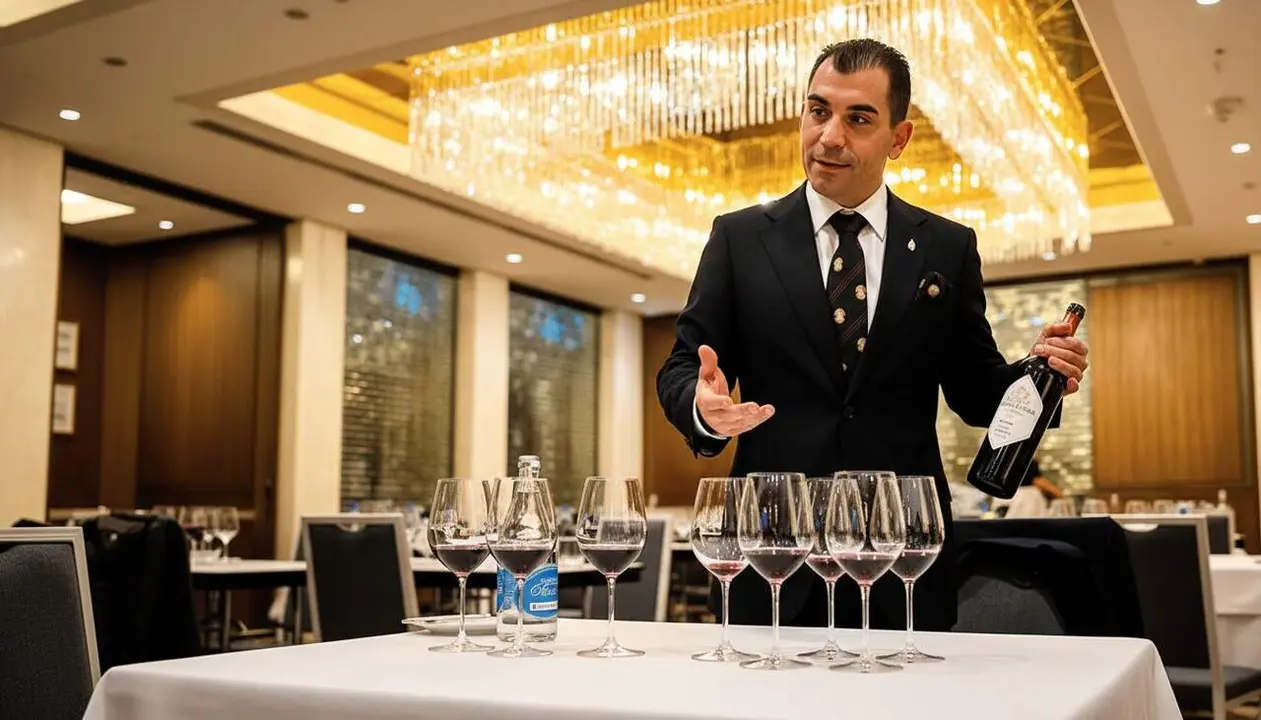

The first Spanish Master Sommelier has just broken a ceiling that seemed almost unreachable. It is not just a title, but a renewed perspective on the world of wine that challenges the usual pomposity and advocates for a more human and approachable service.
Wine is not just memory or classifications, but a living experience built with sacrifice, learning, and above all, respect for the diner. This is the door that now opens for the Spanish wine scene.
How did an unexpected path to worldwide success begin?
What makes the journey to the Master Sommelier title so demanding?
The Master Sommelier title is not just a technical exam. It demands years of study, oral tests, blind tastings, and practical mastery that measures the ability to manage a cellar, understand a restaurant, and above all, read the customer. It is not a linear path: failures and tough moments are as common as successes, and often it is mistakes that teach the most. Extreme pressure, mental demand, and even unforeseen events like losing the sense of smell due to illness prove that reaching it is a test of endurance and passion.
Why is international experience key to understanding wine today?
Working in capitals like London or Singapore brings a global perspective that is often lacking in Spain. There, wine lists are deep and international, and palates very diverse. This experience forces one to open their mind and not remain comfortable with known areas and varieties. The global outlook, still developing in our country, is both a challenge and an opportunity for our industry.
Why does wine need less solemnity and more service?
How does the perception of wine change when the customer is placed at the center?
Wine is often too serious and elitist, generating more tension than pleasure. But the reality is that the customer drinks as they wish. If they prefer to serve a wine at a different temperature, or even mixed, they have the right to do so. The sommelier’s role is not to give lessons or humiliate, but to create an experience that connects. This new vision puts service ahead of pedantry, advocating for accessible wine without pressure.
Which wines do you recommend to break the routine without complicating things?
Recommending wines that break molds and are not limited to traditional labels is possible. A German Pinot Noir with minerality and elegance, a Marsannay from Burgundy with silkiness and depth, or a powerful and fresh Atlantic wine are examples that show stepping out of the comfort zone does not mean snobbery but broadening the horizon.
How is the future of wine and sommellerie projected in Spain?
What challenges and opportunities do training and competition present?
The career does not end with a title, but begins a new stage full of challenges such as representing Spain in European contests or training new professionals with an international vision. Competition maintains a high level and constant preparation, and training is key to expanding local talent onto the global stage.
How are technology and innovation changing the wine experience?
The development of specific applications for wine management in restaurants reflects the need to ally experience, service, and technology. This intersection allows offering more useful tools for professionals, adapting the sector to current demands and improving management without losing sight of tradition and quality.
The reality is that the revolution represented by having a Spanish Master Sommelier is not just an individual success but a boost for an entire sector demanding less pomposity and more authenticity. Passion for training, a global vision, and sincere service are now the pillars that can take Spanish wine to new heights.
Frequently Asked Questions
- What does it mean to be a Master Sommelier?
- It is a title that certifies a high level of wine expertise, including theoretical knowledge, blind tasting, and practical skills in service and management.
- Why is it so difficult to achieve this title?
- It requires years of study, passing very demanding exams, working under pressure, and mastering practical aspects such as service and cellar management.
- How has the perception of wine changed in Spain?
- There is greater awareness of quality, drinking habits, and openness to international wines, but there is still room to expand the global vision.