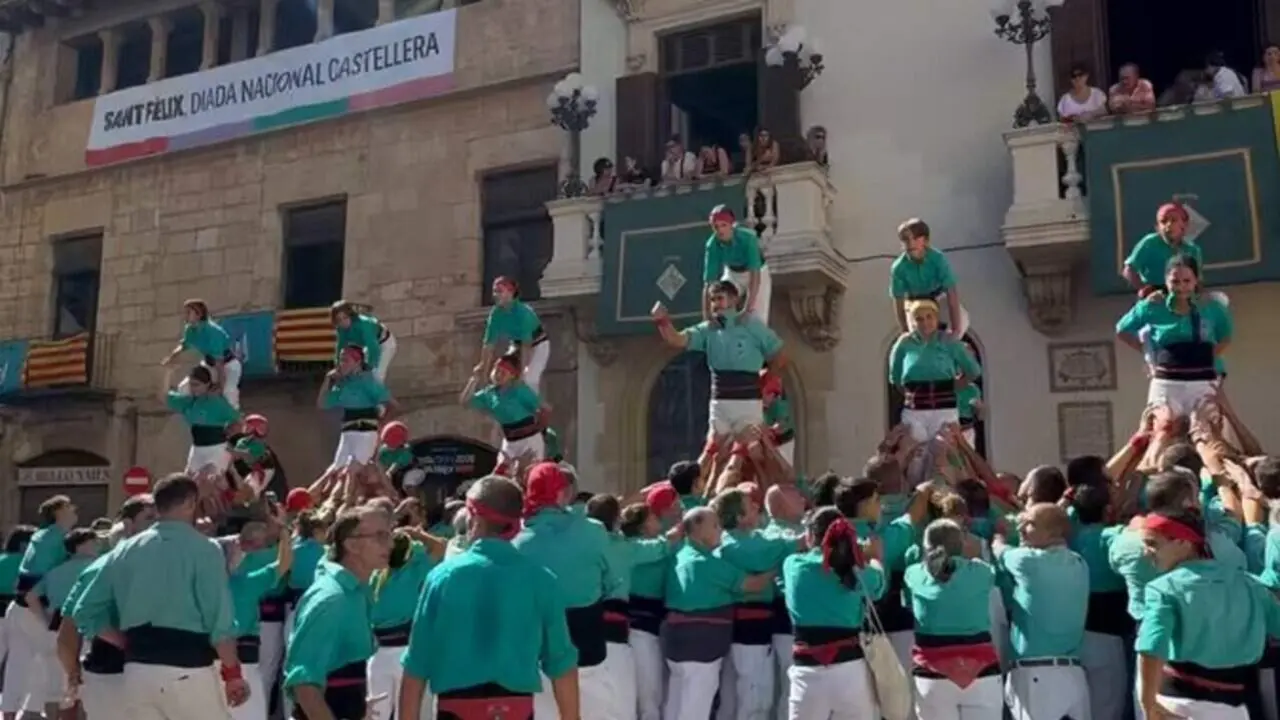
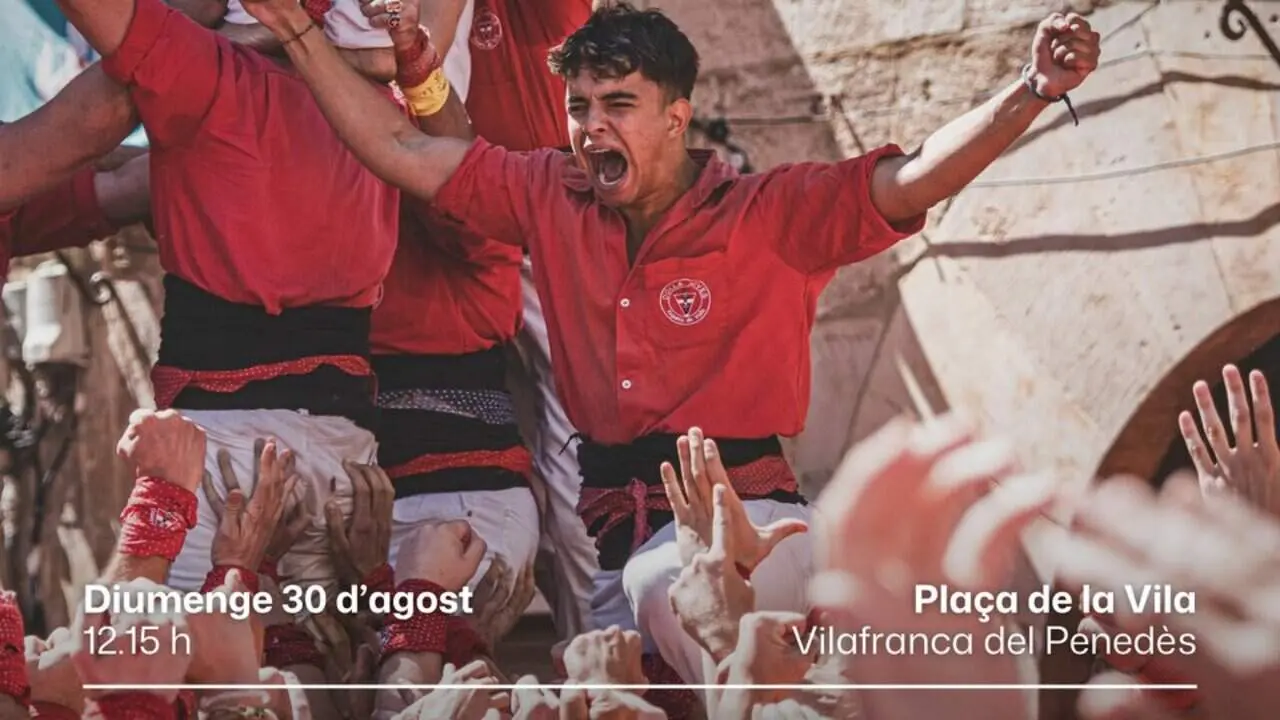
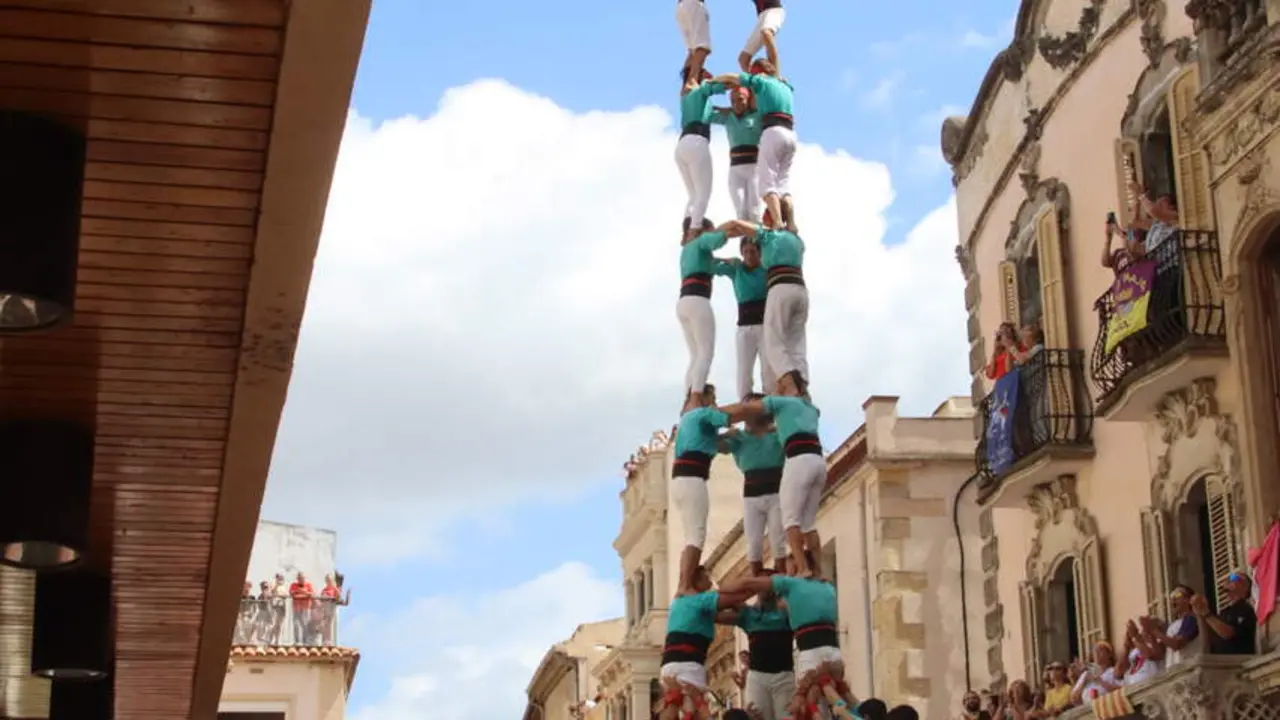
Female leadership in castells: the day that brought together the key voices of Valls and Vilafranca
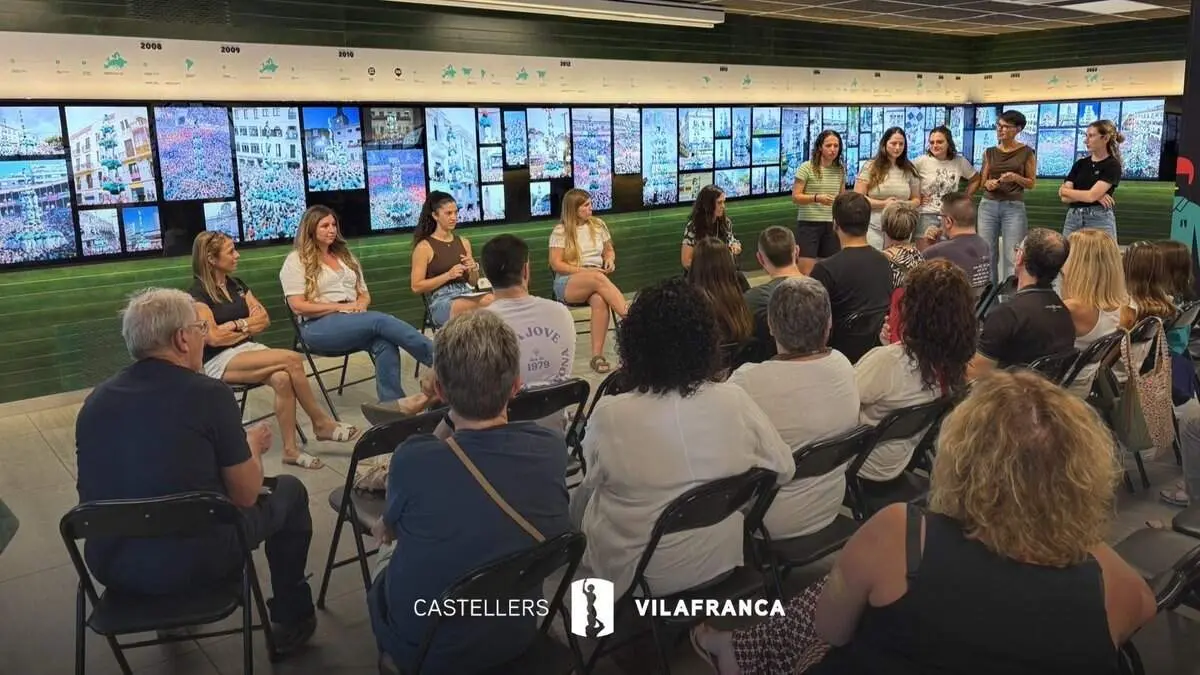

Female leadership within the casteller world is gaining prominence, and a day in Valls demonstrated this clearly. The event featured the participation of notable figures such as Lu Quintero, a castellera from Colla Vella and feminist activist, and several casteller representatives from Vilafranca.
This space for conversation and reflection aims to shed light on the role of women in a traditionally male-dominated field, and why this change is of close interest to the people of Tarragona and everyone who loves the castells.
The day in Valls: what happened and why it matters
Which voices took part and what did they contribute?
Among the featured speakers was Lu Quintero, member of the Feminist Commission of Colla Vella dels Xiquets de Valls, along with Maria Alvarado, Helena Llagostera, and Yasmina Armesto, all casteller women linked to Vilafranca. These women shared personal experiences and viewpoints on female leadership within their groups.
The event took place on Wednesday and was a unique opportunity to exchange the difficulties and progress they have experienced within a casteller world where female presence is still being built. The presence of different colles provides a more global and plural vision of what it means to lead from a gender perspective.
Why is female leadership a key issue in the castells?
The casteller world has been historically male, but now a transformation is visible that reflects broader social changes. The presence of women in positions of responsibility makes the colles more diverse and balanced. This not only changes the internal dynamic but also inspires new generations.
Moreover, women’s participation in leadership roles is not only a matter of representation but also impacts the functioning and culture of the colles. Women’s involvement in decision-making contributes to a more inclusive and respectful environment, which helps correct inequalities and break stereotypes linked to the casteller tradition.
How female leadership transforms the casteller colles
What impact does it have on culture and organization?
Women leaders bring different perspectives that can improve communication, conflict management, and inclusion. This makes the castells more than a tradition: they become a reflection of today’s society, more plural and just.
The female influence in leadership also drives renewal in the internal practices of the colla, favoring more collaborative and horizontal processes. This organizational change benefits group cohesion and can increase adaptability in the face of challenges or complex situations.
Is this change affecting only women or the entire Colla?
Female leadership benefits all members of the colla. When everyone is given voice and responsibility, motivation and commitment grow. Moreover, it breaks ancient stereotypes and builds a more modern and attractive image for everyone.
The change is not exclusive to women but involves the entire colla and even the whole casteller world. This helps create a more balanced environment where everyone can contribute according to their abilities, and where diversity is seen as a strength rather than an obstacle.
Future perspectives and pending challenges
What are the next steps to reinforce this leadership?
Continuing to promote spaces for dialogue and specific training for female casteller members is key. It is also necessary to involve the entire community to ensure female leadership is not an exception but a stable norm.
The challenges involve consolidating these processes and ensuring female leadership is maintained and grows sustainably, avoiding it becoming just a temporary phenomenon. This also implies that casteller institutions and society at large provide active and visible support for these initiatives.
How can the Tarragona society get involved?
Public support, attendance at rehearsals and performances, and public recognition of female leadership are essential steps. It is not only a matter for the colles but a cultural transformation that concerns everyone.
Local commitment can be the engine for this reality to consolidate. Participating as active spectators, recognizing female voices, and advocating for equality within the castells are actions that can accelerate this change.
The day in Valls was not just another meeting; it put on the table a change that is already noticeable and promises to change the way we see the castells. And this, for Tarragona and its region, carries great weight.
Female leadership in the castells is not a passing trend, but a silent revolution that is already making history.
Source of the article: Colla Vella dels Xiquets de Valls