Private pool construction grows 70% in 2026 in Camp de Tarragona
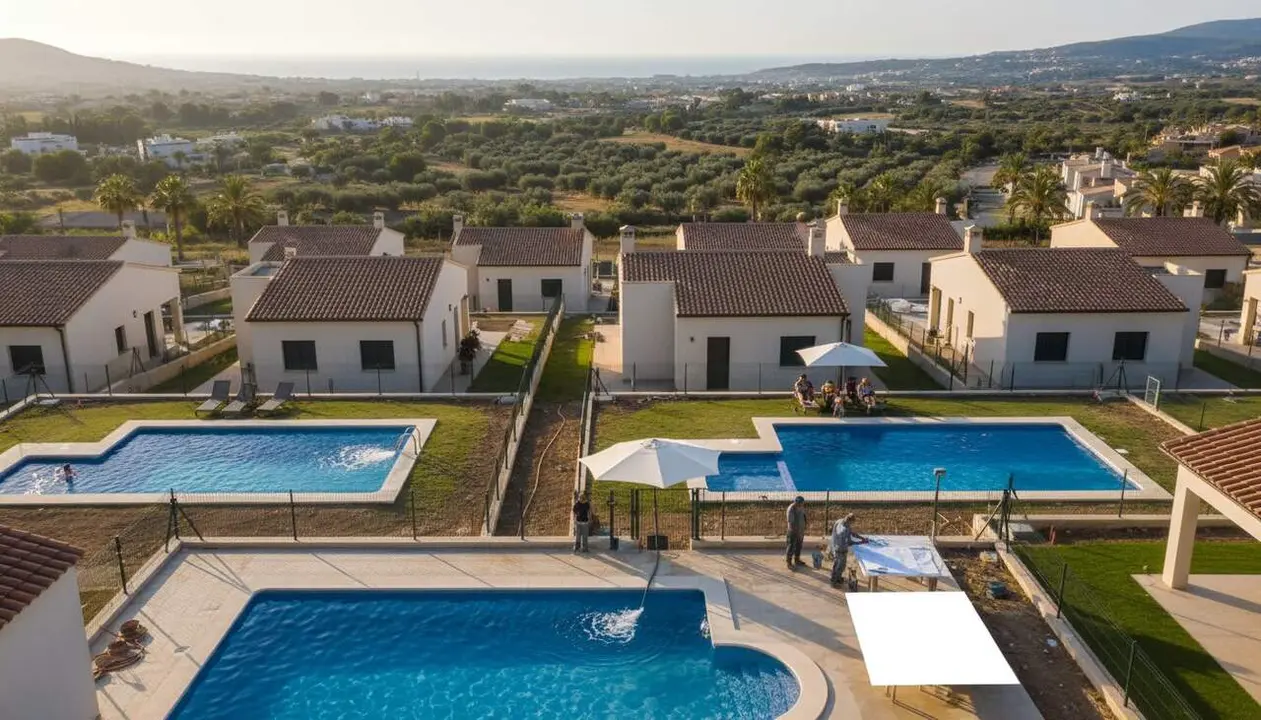

The construction of private pools has surged by 70% in the Camp de Tarragona during the first five months of 2026. The volume of new starts is the highest recorded since 2021, after the post-pandemic boom.
According to the Official College of Technical Architecture of Tarragona (COAATT), Baix Camp, Tarragonès, and Baix Penedès concentrate nearly three-quarters of the new pools that have begun construction this year.
Unprecedented growth in pool construction
Specific data from COAATT
Between January and May, 77 new pools have been started in private homes in the region. This figure represents a 70% increase compared to last year and returns to the levels of 2021, when a strong rise in these types of installations occurred.
Factors driving demand
COAATT attributes this jump to the growing perception that heat is a key factor in home comfort. With increasingly intense summers, having a pool is no longer a luxury but almost a necessity for many residents of Camp de Tarragona.
Characteristics and location of new pools
Type and average cost
The typical pool built in the region has an area of about 25 square meters. The average cost is around 11,000 euros, a figure that can vary depending on the type of work and materials used.
Territorial distribution
Baix Camp, Tarragonès, and Baix Penedès concentrate 77% of the new constructions. This reflects a particularly high interest in these counties, which lead the private pool market in Camp de Tarragona.
Growth impacts and local perspective
Local repercussions
With this increase, the urban dynamics of the area are affected. More pools also mean an increase in water and energy consumption, an issue that is already starting to generate debate among residents and administrations.
Reactions and additional data
Sources from COAATT emphasize that this trend could be maintained or even grow in the coming years, given the climatic trend and the preferences of residents. But, as always, not everyone has or wants a pool.
Maybe the heat doesn’t forgive, but neither do the budget and space.
Source of the article: Editorial | ACN