The PP calls to extend the lifespan of the Ascó and Vandellòs nuclear plants: What is happening in Tarragona?
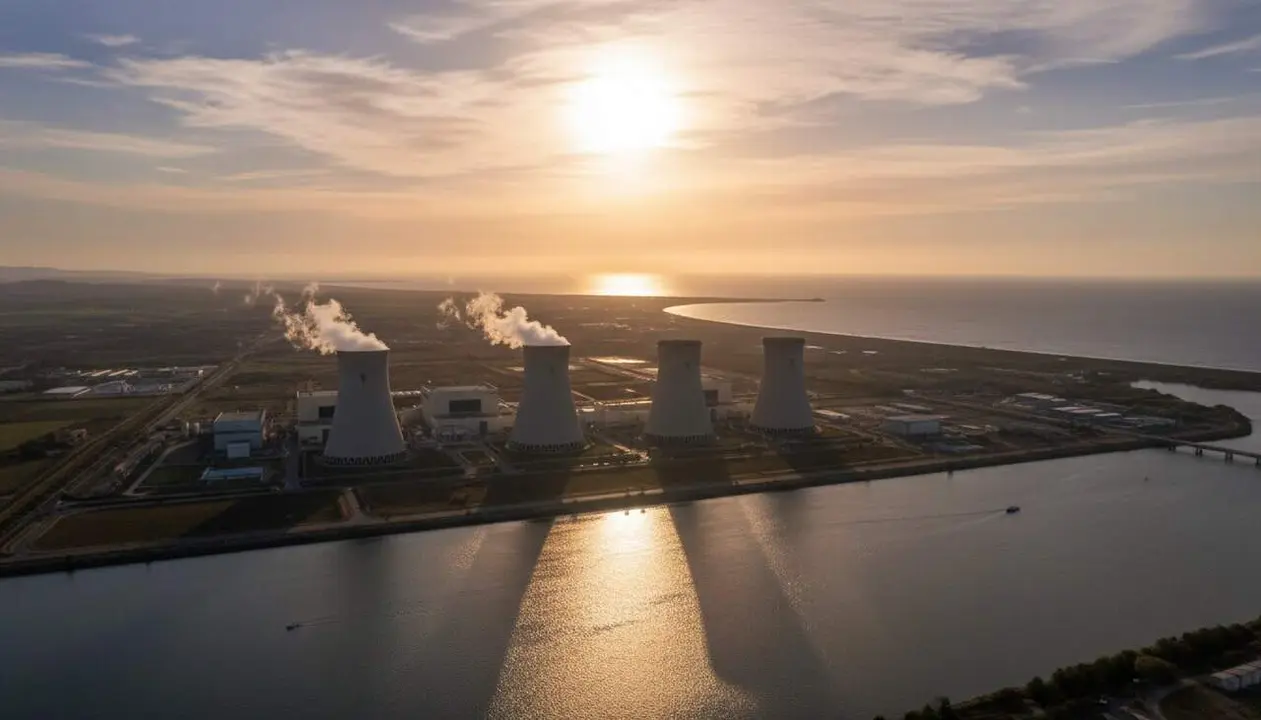

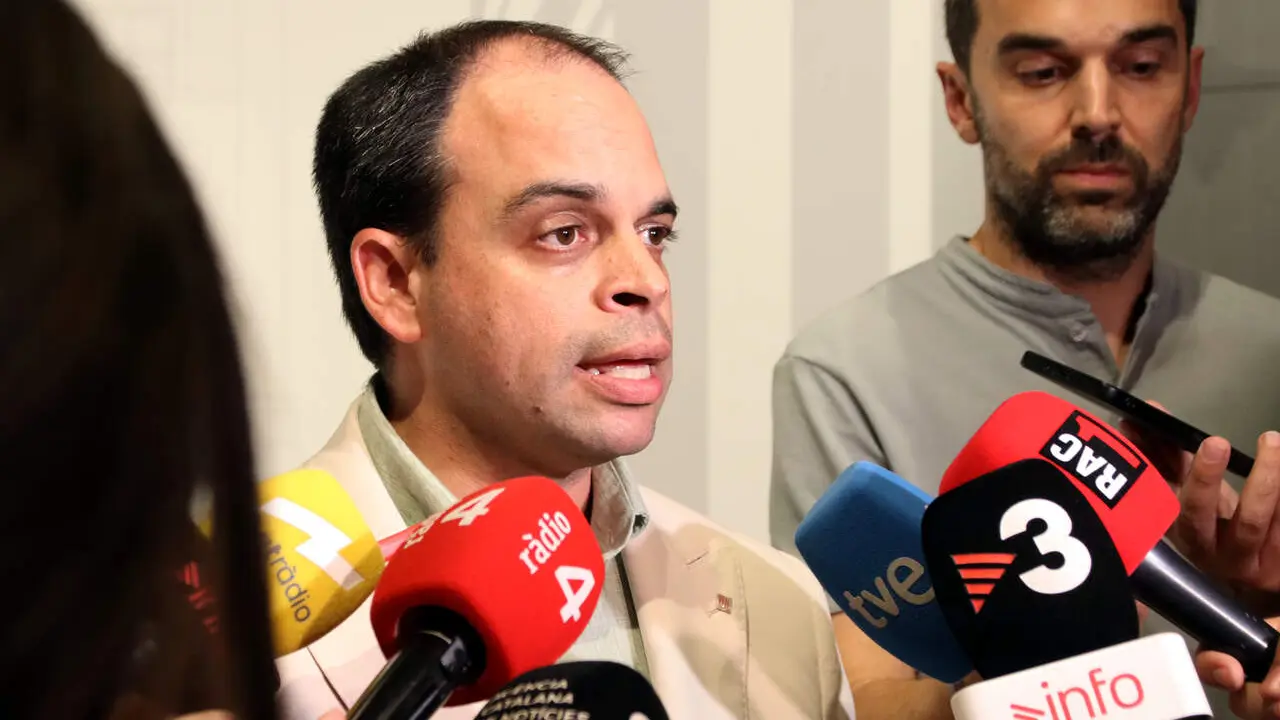
The Popular Party calls to keep the Ascó and Vandellòs nuclear power plants operational beyond the planned date. Deputy Elisa Vedrina has asserted that these plants are key for the electricity supply of Tarragona and Catalonia, and has criticized the Government for maintaining the current closure schedule.
The Government's decision to extend the life of the Almaraz nuclear plant has set a precedent for the PP to pressure for the same with the Tarragona facilities. But what impact does this have for the citizens of Tarragona?
The PP’s demand in Tarragona
What exactly has Elisa Vedrina requested?
Vedrina has asked the central Government to review the closure schedule of the three nuclear reactors in Tarragona, to extend their useful life as has been done with Almaraz (Extremadura).
According to her, these plants are essential not only for the province but for all of Catalonia and Spain, as they generate almost 60% of the energy consumed in Catalonia.
Why does the PP defend these nuclear plants?
The main reason is the need for stable and secure energy. Vedrina has argued that currently renewables are not sufficient and that buying gas is very expensive, affecting Tarragona’s key petrochemical sector.
Furthermore, she highlights the generation of direct and indirect jobs that these plants represent for the province.
Local and economic impact
How does this situation affect the residents of Tarragona?
The continuity of the nuclear plants would ensure a stable electricity supply, avoiding price hikes and possible outages that affect daily life and local industry.
It also maintains jobs linked to the plants and the petrochemical sector, which depends on this energy.
What is the current status of the closure schedule?
So far, the Government has not modified the planned schedule for the Ascó and Vandellòs nuclear plants. It has only extended the useful life of Almaraz by three more years, a measure the PP wants to be extended to Tarragona.
This situation creates political tension and concern over energy security and employment in the area.
Energy context and future of nuclear power
Why is there not enough renewable energy?
Renewable sources still cannot guarantee a constant and sufficient supply for current demand in Catalonia, especially for intensive industrial sectors like petrochemical.
The intermittency of wind and sun requires supplementation with other sources.
What role do nuclear plants play in this equation?
Nuclear plants provide stable, safe energy with low CO2 emissions, compensating for the limitations of renewables and reducing dependence on imported gas, which is more expensive and generates emissions.
This energy balance is key for the industry and society of Tarragona.
The PP’s request highlights an open debate about the energy future of Tarragona, with direct implications for the citizens and the local economy.
The Government’s final decision will set the course for the coming years and the energy stability of the region.
The people of Tarragona are watching closely, because the useful life of these nuclear plants affects much more than just reactors: it influences electricity prices, jobs, and the industrial future.
But it also raises the question: to what extent is there room for an energy transition that sacrifices neither economy nor stability?
Source of the article: Europa Press