Veii, visit the Etruscan city that challenges Roman history with a revealed secret
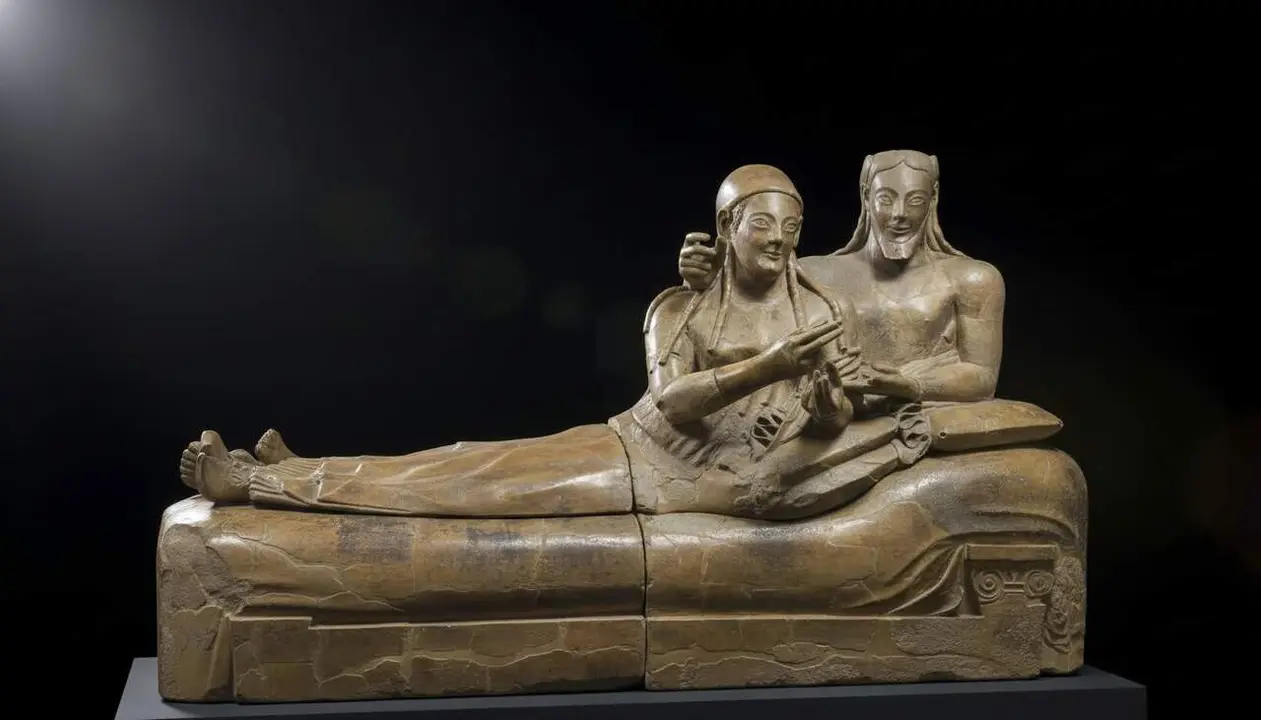

The Etruscan civilization is one of the great unknowns that preceded and coexisted with the Roman Empire. With a rich and mysterious culture, this civilization left its mark on the Italian peninsula before disappearing, yet even today it surprises us with its stories and archaeological findings.

Among the cities that were part of this ancient world, Veii stands out as a living example of this history. Located at the northern border of the Roman metropolis, today it is a museum archaeological park offering a direct window into the past and the coexistence between Etruscans and Romans.
The Veii Archaeological Park: a journey to the lost city
The ancient sanctuary and its findings
What we know today as the Veii Archaeological Park houses emblematic sites such as the sanctuary of Apollo, also called the Portonaccio sanctuary, one of the most monumental and revered in Etruria. This area, discovered in 1916, revealed terracotta statues of Apollo, Hermes, and Heracles that decorated the temple. This find not only captivated experts but still today illustrates the religious and cultural importance of the site.
The Etruscan city and its historical evolution
Veii was a city with an active presence from the 7th century BC until the 2nd century BC, when it became integrated into the Roman sphere. Recently, an archaeological study has changed the traditional view that Veii was a failure during the Roman era, presenting it as an example of community resilience and adaptation. This adds a new dimension to its history and motivates a visit to see firsthand this witness of the past.
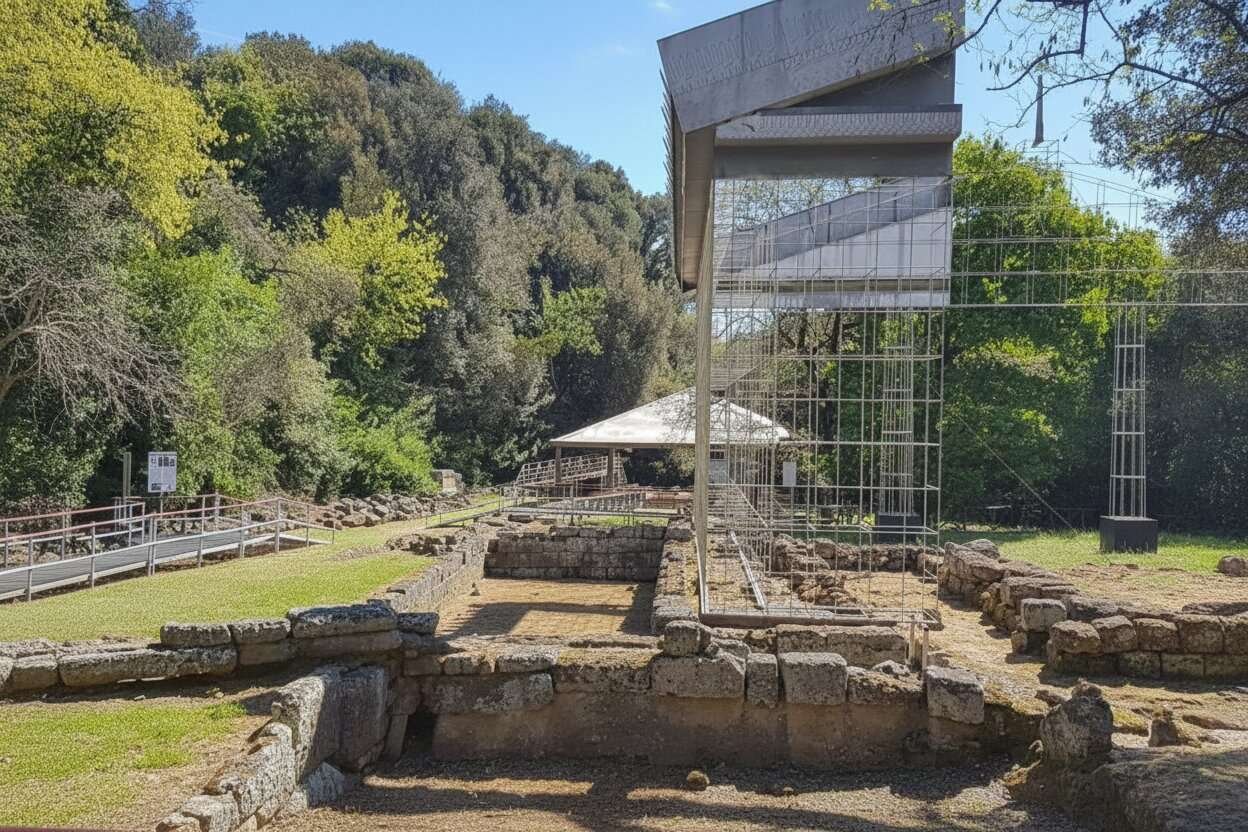
The remains of the ancient Etruscan city of Veii are located near Isola Farnese, on a triangular plateau surrounded by the Fosso della Mola and Cremèra rivers. The site was already inhabited in the Bronze Age and Villanovan period, but it grew mainly thanks to control of the lower Tiber, exploitation of saltworks, and intense trade with Greek merchants.
Between the 7th and 6th centuries BC, Veii transformed into an important city, with walls made of tuff blocks and masonry houses. Its proximity to Rome, only 17 kilometers away, caused an inevitable rivalry for territorial control, which ended with the Roman conquest in 396 BC by Furius Camillus. Later, the territory was reorganized with farms, rural villas, and, during the time of Caesar and Augustus, a new colony turned into a municipality.
The city was surrounded by numerous necropolises with tumuli and chamber tombs, some of great archaeological value. Highlights include the Tomb of the Ducks, considered the oldest Etruscan tomb with mural paintings, and the Campana Tomb, decorated with animals, vegetal motifs, riders, and fantastic figures. These funerary spaces have provided essential objects for understanding Etruscan culture.
One of the most notable points of Veii is the Portonaccio sanctuary, famous for the terracotta statue of Apollo, now preserved at the Villa Giulia Museum. The temple, decorated with rich terracotta pieces attributed to the workshop of Vulca, worshiped Minerva and Apollo. Veii also stands out for its underground engineering system, especially the Ponte Sodo, a gallery about 70 meters long that helped channel the flooding of the Cremèra river.
What to visit and enjoy in the Veii area
Itineraries and archaeological landscapes
In addition to the sanctuary, the area is surrounded by a natural park that invites hiking and contemplation. The paths of the Veii Regional Park connect several archaeological points and offer a landscape full of history and nature, an ideal setting for heritage lovers and tranquility seekers.
What to see near Veii
- Isola Farnese: a charming small village near the park, with a castle and narrow stone streets.
- Formello: a neighboring municipality with a medieval historic center and the Palazzo Chigi, which often hosts exhibitions.
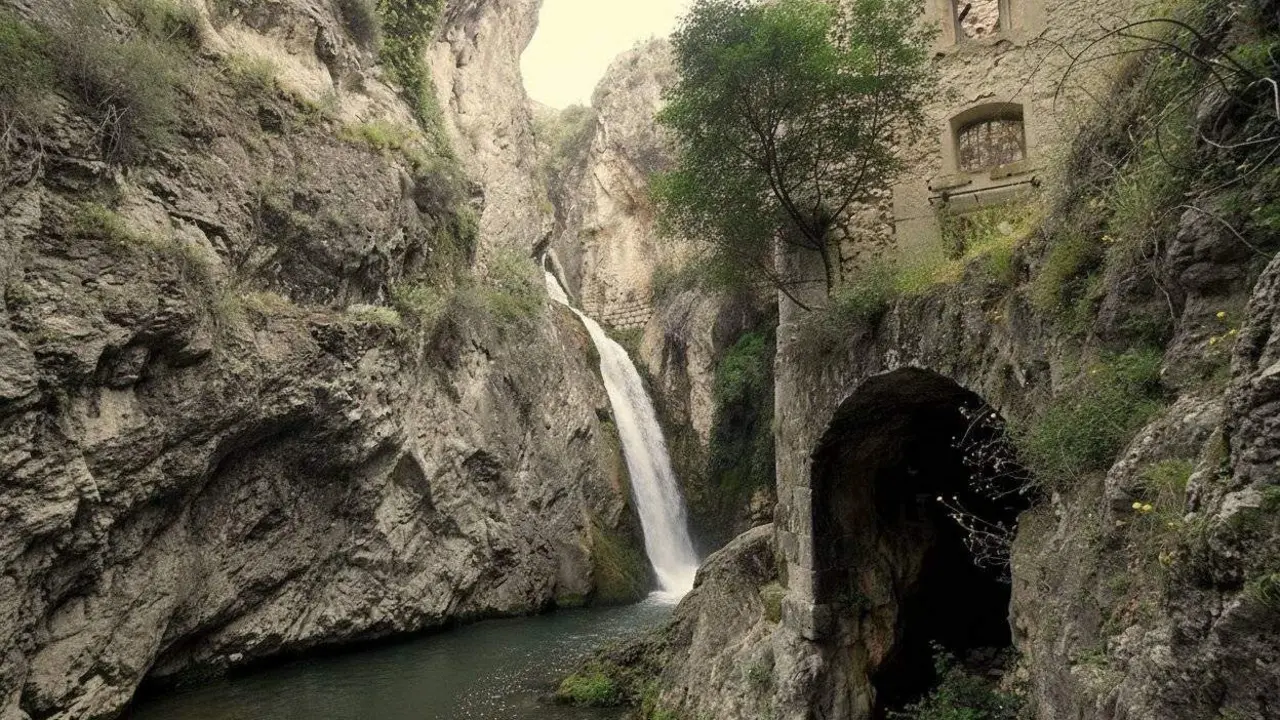
- Veii waterfalls: hiking routes leading to small waterfalls within the protected natural area.
Nearby gastronomy and accommodation
After strolling among ruins, the local gastronomy surprises with traditional Roman and Etruscan dishes reinvented, with local ingredients and recipes evoking the past. In the area, small hotels and rural houses allow for a comfortable and authentic stay, perfect for those who want to escape tourist crowds.
What to eat in the area
The gastronomy of this area north of Rome is typical of Lazio, based on local products and homestyle cooking.
- Trattorias in Isola Farnese and Formello: look for rustic restaurants offering traditional pastas with typical sauces such as Amatriciana, Carbonara, or Cacio e Pepe.
- Local specialties: wines from the area, especially white wine production, artisanal cured meats, and grilled meats.
The best way to enjoy it is to combine a morning visit to the archaeological park with lunch at one of the family-run restaurants in Isola Farnese before strolling through the village.
How to get to Veii from Tarragona
Transport options
To get to Veii from Tarragona, the most common route is to fly or take a train to Rome, from where public transport or rental car can be used to reach the Archaeological Park. A train and bus combination is feasible, although it is recommended to plan well, as connections may be limited and the park is in a protected area requiring walking to access it.
If you want to go on your own, you can choose to go by car. From Tarragona, it takes about 15 hours by road, but you can spend the night in Marseille or Monaco and continue your journey passing through Genoa, Florence, and all the way down to Rome.
Practical recommendations
The park opens with free access and no reservation needed, although it may be affected by occasional closures due to landslides or maintenance, so it is advisable to check beforehand. The visit is ideal in spring and autumn, when the weather is favorable and the landscape more pleasant.
The reality is that Veii is not just another archaeological site: it is a living testimony of a civilization that knew how to adapt and leave a mark that still speaks to us today. Visiting the Etruscan city of Veii is a stroll through history and nature, with a touch of mystery that only places with a true past can offer.
Resources consulted:
- Etruscan Museum – Official information of the Veii Archaeological Park – Opening hours and details of the sanctuary and museum management
- La Brújula Verde – Recent archaeological study on Veii – New historical interpretation of the Etruscan city