The Via Africa project: the new submarine cable that will connect Africa and Europe
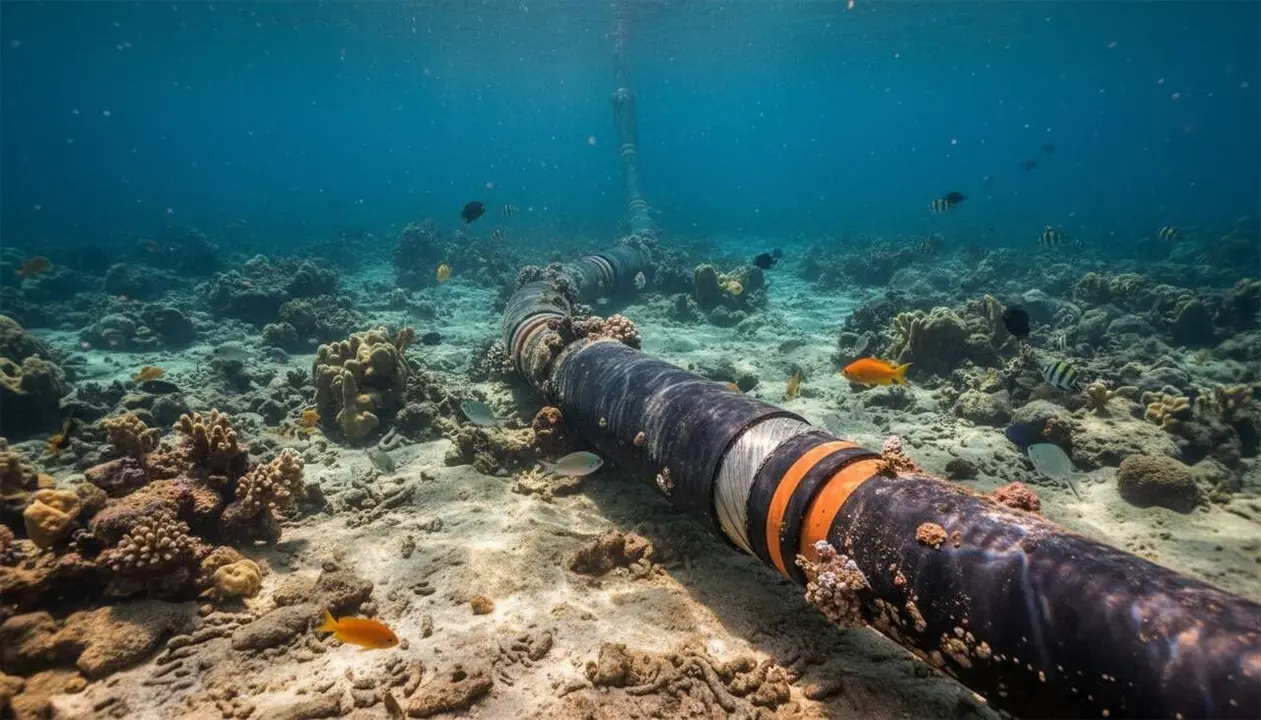

Imagine a giant cable crossing the Atlantic to connect Europe with Africa, passing through various coastal routes. This is the Via Africa project, driven by the Orange Group and other operators, promising to revolutionize the way the two continents share data.
With the constant rise of internet traffic, the need for new infrastructures is evident. Via Africa is not just another cable: it is an alternative and complementary route that will improve global connectivity with a direct impact on African and European countries.
The Via Africa project: innovative transatlantic connection
A consortium to boost connectivity
The project was born from an agreement between several telecommunications companies, with the Orange Group as one of the main protagonists. This consortium has signed a Memorandum of Understanding to launch the deployment of a submarine cable that will cross the Atlantic following the western coast.
The purpose of this initiative is clear: to create a new route that strengthens the data link between Europe and southern Africa, including strategic points such as the United Kingdom, France, Portugal, the Canary Islands, and several African countries like Mauritania, Senegal, Guinea, Ivory Coast, and Nigeria.
Route and key landing points
The Via Africa cable will be installed parallel to the Atlantic coast to ensure a stable and resilient connection. This alternative route is designed to support the growing demand for data and prevent the saturation of existing infrastructures.
The landing points are not only digital capitals but also strategic points to expand connectivity reach to areas still lacking solid infrastructure. This includes the Canary Islands as well as several African coastal regions that will benefit from the technological boost.
Benefits and impact of the new submarine cable
Diversity and resilience of the network
One of the main advantages of this project is that it brings diversity to data transmission routes between continents. This means that in case of any incident, there will be alternatives to maintain a stable connection.
Resilience is crucial in infrastructures of this scale, and Via Africa promises to be a solution that offers security and continuity of service, fundamental aspects for today’s digital society.
Support for digital growth in Africa
With a population and economy in full expansion, Africa needs more and better connectivity. This cable will facilitate the growth of data traffic, boosting sectors such as education, health, and digital commerce.
In short, the arrival of a new and complementary route will help reduce the digital divide and support local and international initiatives that depend on a reliable network.
Process and future of the Via Africa project
Study and design of the optimal route
Currently, the consortium is in the initial phase conducting a joint study to determine the best cable route. The objective is to find the balance between technical feasibility, economic efficiency, and the security of the route.
This process includes detailed analyses that ensure the infrastructure is sustainable and effective in the long term.
Tendering and deployment
In parallel, the tendering process is being prepared to select the supplier of the submarine cable. This step will be key to moving forward with the effective construction of the infrastructure.
Once the supplier is chosen, deployment will begin to definitively connect Europe with several African countries through this new Atlantic route.
| Feature | Detail |
|---|---|
| Consortium | Orange Group, Canalink, and others |
| Route | Atlantic coasts from Europe to South Africa |
| Landing points | United Kingdom, France, Portugal, Canary Islands, Mauritania, Senegal, Guinea, Ivory Coast, Nigeria |
| Objective | Improve connectivity and resilience between continents |
| Current phase | Route study and tender preparation |
The reality is that Via Africa represents a strategic bet to strengthen the digital infrastructure between Europe and Africa. It will be interesting to closely follow how this project evolves, which could mark a before and after in intercontinental connectivity.