The works that aim to save the rural path from Mas de la Sena to Reus
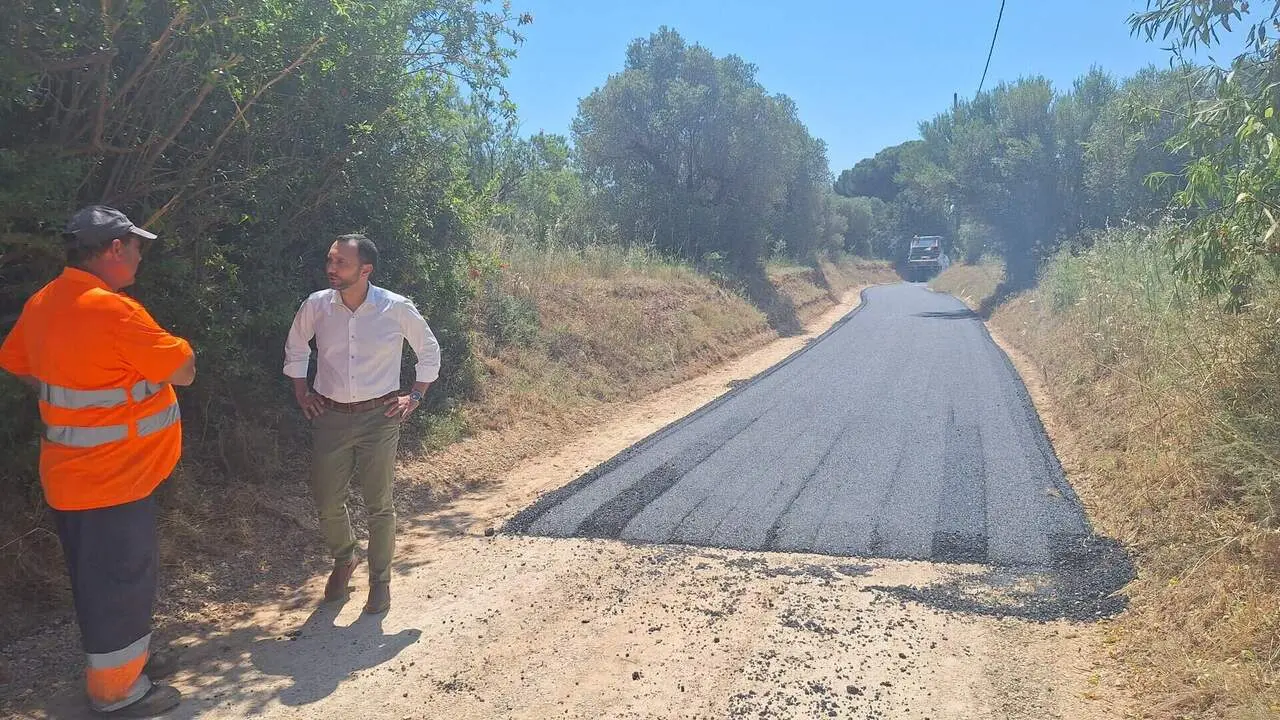

Users of the Mas de la Sena and Burgaret roads are about to notice an unexpected change: new asphalt that aims to maintain the rural essence, but that smells like an investment not always welcome.
This May 2026, the Reus City Council has begun works to renew a 1,470-meter stretch of these roads, with the goal of making them safer and more comfortable, while limiting their transformation into a massive and aggressive thoroughfare.
Improvements and paving: what exactly is being done?
New pavement and reinforced drainage
The work consists of replacing the natural aggregate pavement with an asphalted surface, more resistant both to traffic and weather. This is not just laying a new layer: it includes an improvement in drainage to prevent the Cemetery ravine from filling with mud when it rains heavily and to avoid damage to the road.
A project that does not want to erase the rural character
Despite the improvements, the priority is that the road does not become an alternative route for vehicles looking to avoid the highway. Therefore, the project maintains landscape elements, such as trees, that invite walking or cycling, protecting the natural and agricultural environment.
Who is in charge and what does it cost?
Contract award and budget
The company in charge of paving is Tecnofirmes: Tecnología de Firmes S.A., and the total cost of the work is 164,898.80 euros VAT included. It’s not a figure to celebrate wildly, but it’s not something to ignore either.
Statements and public objectives
The Environment Councilor, Daniel Rubio, has highlighted that the intervention aims to ensure that the rural road network remains a space for agriculture and sustainable mobility, improving safety without losing the essence that makes this environment unique.
The reality and what’s left unsaid
Rural roads that want to be more than that
What the official discourse doesn’t say is that works like this can end up making these roads be seen more as an option for vehicles than for pedestrians or farmers. Paving is always double-edged: convenience or invasion.
An environment shaped by the ravine and the rain
Improving drainage is key because this road has suffered erosion and problems in recent years. The question is whether these works will be enough to withstand the intense rains that are becoming increasingly frequent.
The reality is that the Mas de la Sena road does not want to be a highway, but without asphalt, it also cannot continue to be a road that falls apart when it rains. And here lies the paradox.
If the road remains rural and safe, everyone wins. But if the paving turns it into a shortcut for cars, what we gain is a road that is thought to be a path and that will never be peaceful.
Source of the article: Reus City Council