Aigües de Reus recovers two wells and expands non-potable water to Agro-Reus
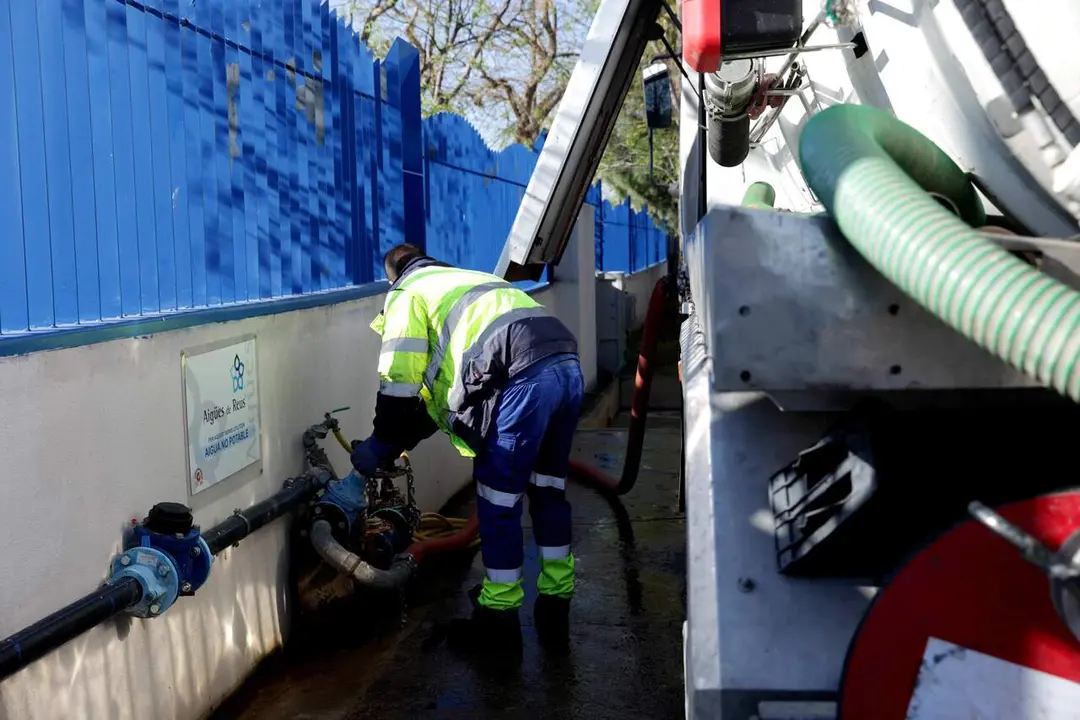

Aigües de Reus has awarded the works to recover two wells located on Camí del Roquís and connect them to the non-potable water distribution network of the Agro-Reus industrial estate. This water, not yet suitable for consumption, could become partially potable once the new Drinking Water Treatment Plant (DWTP) is built during this year.
The non-potable network of Agro-Reus already distributes water for municipal and business uses that do not require drinking water, with an approximate annual consumption of 70,000 cubic meters, under the supervision of the Aigües de Reus laboratory and the Public Health Agency.
Recovery and expansion of the non-potable network
New wells on Camí del Roquís
This expansion is key to increasing the water flow intended for non-potable uses, such as street cleaning or irrigation of public spaces and urban gardens.
Current use of non-potable water
The non-potable water network at Agro-Reus operates in parallel to the conventional one and supplies water which, although not suitable for drinking, has sanitary guarantees for municipal and industrial use. The City, Roquís, and Agro-Reus wells currently provide this water with contaminant levels such as nitrates that prevent its use for human consumption.
Transformation towards potable water
2026 will mark a turning point with the completion of the new Drinking Water Treatment Plant in the Agro-Reus industrial estate, which will eliminate contaminants through a biological process to treat nitrates and transform them into nitrogen gas, combined with activated carbon. This environmentally friendly technology will allow part of the water to be used for consumption, if required.
Other systems and local experiences
Aigües de Reus already uses different technologies to potabilize waters with problems, such as reverse osmosis in the Fortuny neighborhood and ion exchange resins in Bellisens. These experiences drive the current project and reinforce the diversification of sources and sustainable management.
Challenges and treatments of emerging contaminants
Boosting the recovery and sustainable use of water
Aigües de Reus will continue to commit to recovering non-potable waters for uses such as irrigation, contributing to efficient urban management and the UN SDGs, strengthening the energy transition and the diversification of water resources in the city.
The reality is that Reus is committed to transforming water that cannot be drunk now into a strategic source for the future, because not all water is the same, but all can be useful.
Source of the article: Ajuntament de Reus