Why bouillon cubes aren’t what you think: experts explain to you
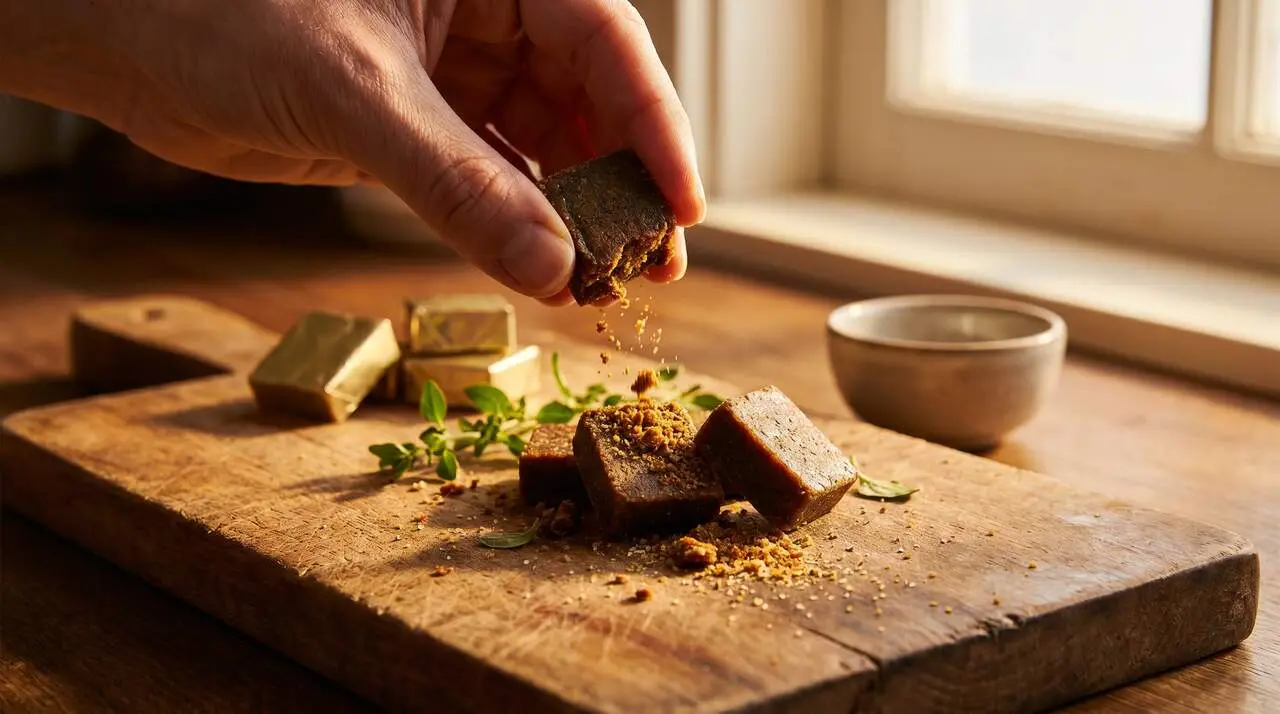

Concentrated broth cubes are a classic in many kitchens, but they very often hide more than just flavor. Despite their popularity, they rarely contain real broth among their ingredients.
Experts agree that these cubes are more of a mixture of food, salt, and flavor enhancers that are diluted to make a liquid that imitates broth. But what impact does this have on taste and health?
What concentrated broth cubes are made of
Origin and historical evolution
Concentrated broth cubes have a surprising origin: they were developed at the end of the 18th century to supply Napoleonic troops. Later, Julius Maggi perfected the formula and promoted its international commercialization, taking advantage of its ease and low cost.
Real composition and production methods
In reality, these cubes rarely include broth as an ingredient. Their traditional production consists of combining dehydrated solid ingredients with concentrated liquid extracts and various additives. The main bases are usually salt and flavor enhancers, elements that are safe but very far from a true homemade broth.
Dangers and recommendations on the use of cubes
How they affect taste and health
The abuse of enhancers and salt can make the palate become tolerant to intense flavors, causing us to eat more and stop enjoying natural foods. Moreover, this excess can divert us from healthy diets that prioritize less processed products.
Tips for responsible use
Professionals advise choosing cubes with a high percentage of natural ingredients such as chicken, vegetables, or fish, low in salt and without added sugars. They also recommend opting, whenever possible, for broth in cartons, which are closer to traditional broth. Using cubes occasionally is not a problem, but abuse can be counterproductive.
The impact on cooking and healthy alternatives
The role of cubes in current gastronomy
Although they are a practical and economical resource, experts warn that relying on these cubes can impoverish the flavor of dishes and alter the perception of taste. This is especially relevant when it comes to recipes where the broth is the protagonist.
More natural options and trends
A good alternative is homemade broths or carton broths that provide a more authentic and balanced flavor. Likewise, Alicante experts emphasize the importance of not resorting to artificial enhancers in traditional dishes, and others warn about the use of water with broth as a substitute for real preparations.
The reality is that broth cubes are nothing more than a resource that should be used wisely, avoiding that they become the constant base of our cooking and opting for more natural alternatives that respect the original flavor of dishes.