Asturian cooks agree: rice pudding is first cooked with...
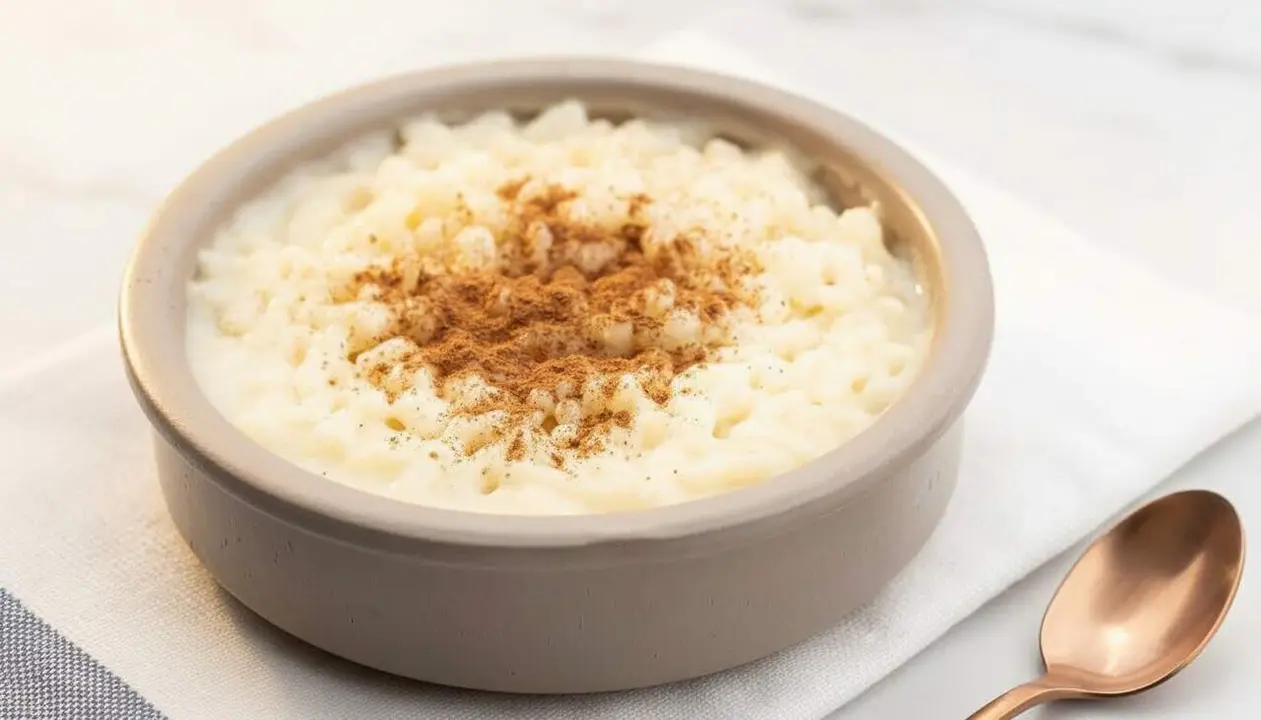

In many Asturian kitchens, rice pudding is not just a dessert; it is a ritual filled with tradition and secrets passed down from generation to generation. But what surprises is that, to achieve that highly valued creamy texture, you don’t start directly with milk but with water. Curious, isn’t it?
This technique, which may seem counterintuitive, is gaining recognition among food experts and scientists. Indeed, the key to perfect rice pudding lies in the way the rice is cooked, an ingredient that seems humble but hides a fascinating chemistry.
Why cooks recommend cooking the rice first in water
⏱️ Cooking time: More than an hour
👨🍳 Difficulty: Medium
🍽️ Specialty: Traditional rice pudding
Food science explains that rice contains two main types of starch: amylose and amylopectin. These starches are responsible for the dish’s characteristic texture. When the rice is hydrated first in water, this process facilitates a uniform gelatinization of the starches, which makes the texture smoother and creamier.
According to several Asturian cooks, starting the cooking in water allows the rice to open up and the starch to be released gradually. Only afterwards is the milk added, which brings fat and flavor without hindering the internal cooking of the grain. This method contrasts with other recipes where the rice is cooked directly in milk, often resulting in a less homogeneous texture.
The chemistry behind the cooking
Food technology experts explain that water facilitates the initial hydration of the grain before the milk adds proteins and fats. Thus, the cooking is more balanced and the final result, creamier.
A traditional Asturian method
Many traditional Asturian recipes begin with a brief cooking of the rice in water and then incorporate the milk, often flavored with cinnamon and lemon. This practice has been defended by cooks generation after generation, and now science supports this method.
By the way, if you are interested, you can read why anyone who knows what they are cooking values which cooks are right in other classic recipes.
The key moment to add sugar and other details
Asturian cooks also agree on another point: the sugar is not added from the start. Adding it too early can slow down cooking because it hinders the rice’s absorption of liquids.
Generally, sugar is added when the rice is almost cooked, ensuring it dissolves without affecting the grain’s texture or the overall creaminess of the dish.
Cooks’ tips
- Add sugar when the rice is almost cooked.
- Stir constantly to prevent sticking and to help release the starch.
- Caramelize the top layer with sugar to get that slightly burnt texture typical of Asturias.
The importance of patience
In many Asturian homes, preparation can last more than an hour, with slow and constant cooking while stirring to achieve the ideal texture. This practice, although laborious, makes the difference between any rice pudding and an emblematic dish.
You can also find a surprising comparison between the Asturian tradition and other experts, such as the Alicante experts agree: the timing of the cooking and the ingredients that make the dish unique.
The type of rice recommended by cooks for perfect rice pudding
Not all types of rice work the same. Specialists recommend using short-grain rice, especially varieties with a high capacity to release starch, like the round rice used in many traditional Spanish dishes.
Varieties with more amylopectin offer a creamier and more smooth sensation, while those with more amylose tend to be drier and firmer. For this reason, cooks discourage the use of long-grain rice like basmati or jasmine for this dish.
Characteristics of short grain
- Greater capacity to release starch.
- Smoother and creamier texture.
- Ideal for the slowness of traditional cooking.
Recommended varieties in Spain
Round rice, such as that from the D.O. Valencia or other regions, is the most used due to its texture and absorption capacity, key elements for the dish’s success.
A dessert in constant evolution
The classic Asturian rice pudding is not immutable. Many modern cooks have developed contemporary versions incorporating ingredients like butter, cream, anise, or condensed milk to enhance creaminess.
There are also interpretations with cardamom, vanilla, white chocolate, or caramelized fruits, and in some high-end restaurants, the risotto technique is applied, adding the milk little by little to control the texture.
The tradition that persists
Despite innovations, the principle of properly cooking the rice before adding the milk remains firm. This shows that the essence of the dish lies in the perfect texture of the rice, a fact recognized equally by cooks and scientists.
Current consumption and presentation
Although traditionally it was a dessert for cold months, rice pudding is now consumed year-round. Chilled versions are very popular in summer, and many master pastry chefs note that the dessert improves after a day resting in the fridge, when the flavors integrate and the texture thickens.
The reality is that behind a dish as humble as rice pudding lies great knowledge and respect for the technique, where Asturian tradition and food science agree on a simple yet powerful secret: cooking the rice first in water.