The olive oil sector warns: the tanks will arrive empty in October
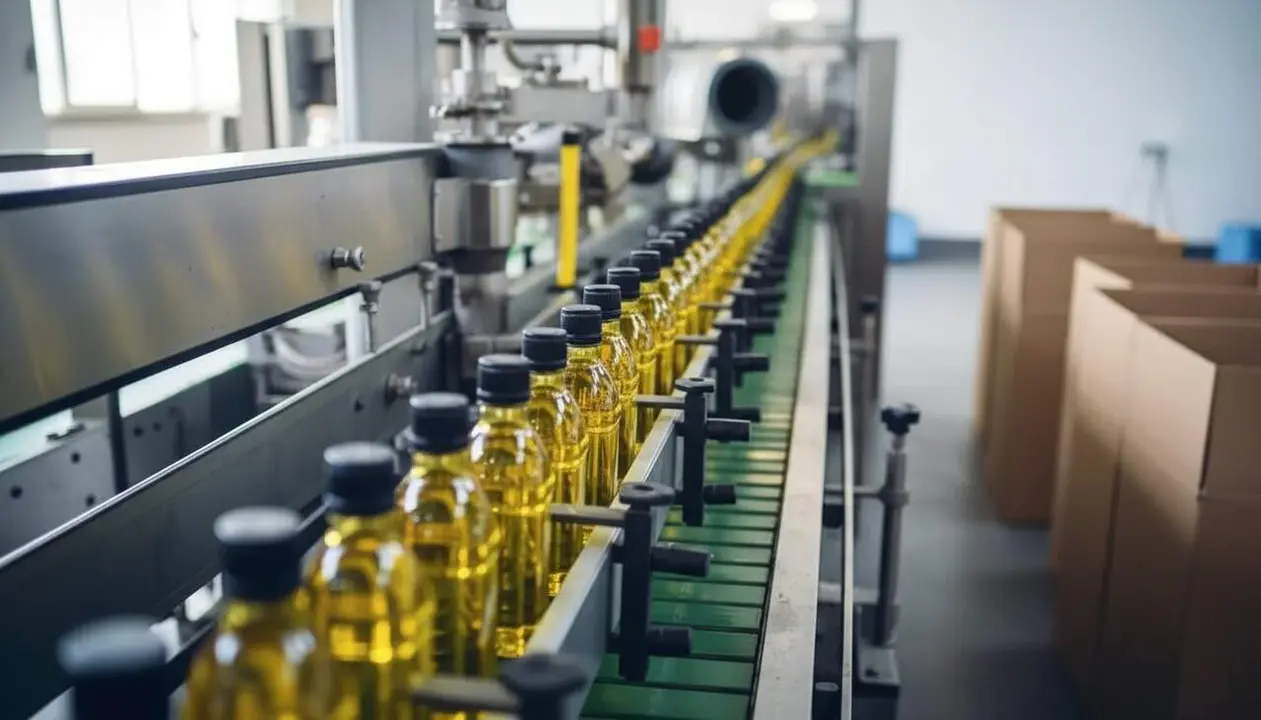

Olive oil sales show no signs of slowing down, but production is not keeping up. The Spanish olive oil sector is in full turmoil after official data confirmed a 6% drop in production compared to the forecast made by the Ministry. However, consumption continues at full speed, with a 3.5% increase in sales compared to last season. Want to know what this means for the wineries? Patience, we'll explain it to you now.
The 2025-2026 campaign is setting a frantic pace in marketing, but with less olive oil available than expected. The campaign has accumulated 1,277,889 tons produced, almost 100,000 less than official forecasts, according to the latest AICA report. And this, in a sector where the heartbeat of the market is almost palpable.
The frantic pace of sales and the drop in production
The data that explains it all
By the end of March, monthly sales had already exceeded 138,000 tons, also considering imports. The sector has put more than 746,000 tons on the market, 60% of the oil produced so far, and with a marketing pace that, according to the Secretary General of UPA Andalusia, Jesús Cózar, “keeps going like a rocket.”
But it does not end there. Stocks are decreasing at an accelerated rate: by the end of March, less than 940,000 tons of oil remained in the wineries, 34,000 tons less than the previous month. With more than 140,000 tons leaving the market monthly, reserves will run out in a few months.
The sector takes it seriously
ASAJA Jaén spokesperson Luis Carlos Valero advocates for a market reaction that drives prices up. The problem is that, despite the drop in production, origin prices remain stuck around 4 euros, a level that does not even cover the basic production costs, especially in traditional olive groves.
Francisco Elvira, from COAG Andalusia, does not spare criticism for the maintenance of low prices and issues a strong warning: “wineries will be practically empty by October.” A situation that puts pressure on the sector’s capacity to respond and on the price we will end up paying at the store.
What does this mean for consumers and producers?
Consumers: less oil and higher prices?
With stocks running low, price pressure is inevitable. But even though the market demands it, prices have not adjusted to the production level because international competition, especially from countries like Tunisia, keeps an upward ceiling on prices. Therefore, the increase will be inevitable but limited.
On the other hand, the quality of Catalan extra virgin olive oil and its designations of origin remain a safe value for those who want to ensure genuine flavor and properties, as we already saw in the article about the 10 extra virgin olive oils from Catalonia.
Producers: a year not to forget
Producers find themselves caught between the need to cover costs and the pressure of a market that does not raise prices. Jesús Cózar insists that the strength of consumption does not translate into better income for the farmer, a classic we know all too well. This puts the sustainability of traditional olive groves at risk and forces the search for innovative solutions to maintain viability.
Meanwhile, the lower-than-expected production means that wineries being empty in a few months is not an exaggeration, but a reality close at hand. Strategies to manage this crisis will be crucial in the coming months.
Reactions and outlook of the olive oil sector
Organizations on alert
From agricultural organizations like ASAJA, UPA, and COAG, the message is clear: the combination of production drop and sales dynamism puts stock under pressure. Luis Carlos Valero of ASAJA trusts that the market reaction “can adjust prices,” but acknowledges that the current stability is incomprehensible given the real situation.
Jesús Cózar, from UPA, emphasizes that “marketing demonstrates the market’s strength and the good consumption trend,” but laments that this is not reflected in origin prices. This contradiction is what makes many producers wonder how the campaign will end.
What could happen now?
With fewer reserves and growing consumption, the outlook points to an inevitable price adjustment, although conditioned by external factors. This could benefit producers, but entails tensions for consumers, who might see an increase in the store price.
As if that were not enough, international competition, especially Tunisia, has become a rival that conditions the market, according to the “king of oil” Luque, who warns that the campaign will be a balancing act between supply, demand, and price.
Meanwhile, the local producer can only watch the calendar with the face of someone who knows that the oil remaining in the wineries is running out fast.
The reality is that, at this rate, when October arrives, more than one winery will have a serious problem: there will be no reserves to meet demand.
It is a scenario that shakes the sector, but for now, and against all odds, consumers seem to remain unaffected in their pockets.
The 2025-2026 season is already history but will be remembered as the campaign where the oil flew... and the wineries ended up empty.