The scientific key that improves traditional Asturian rice pudding
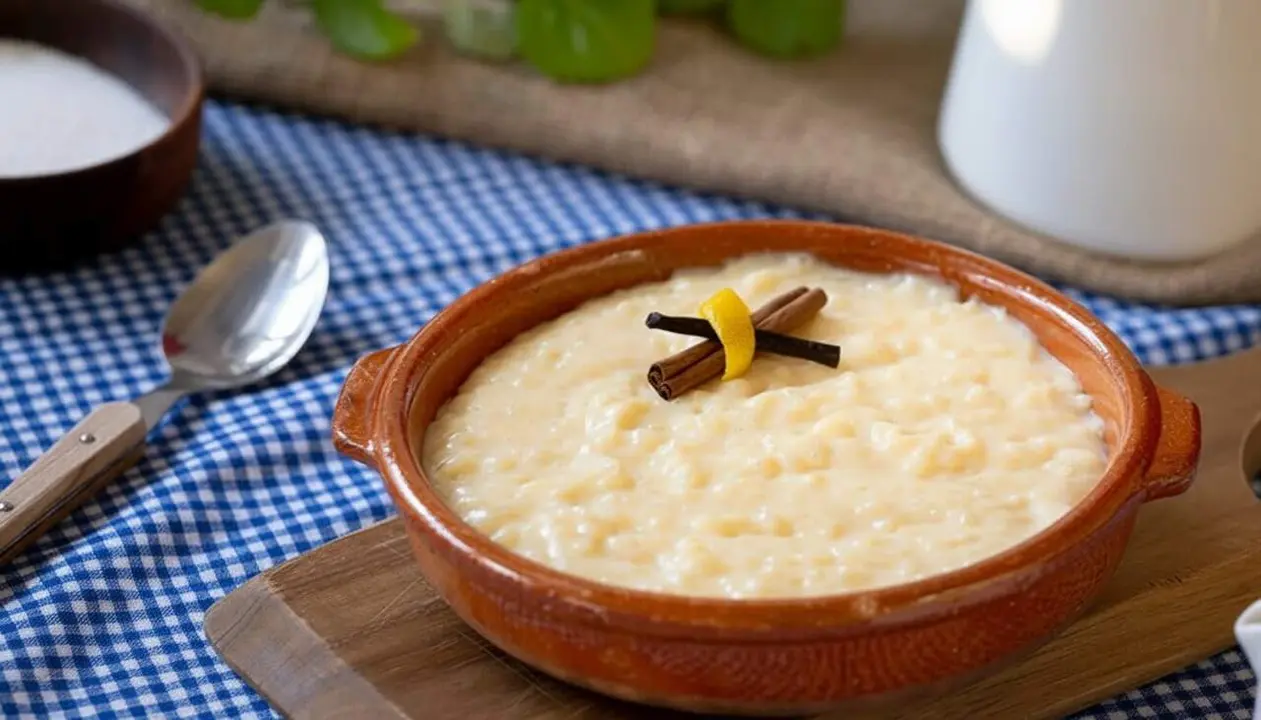

Rice pudding is a classic that almost everyone has tasted at some point, but it doesn’t always turn out as expected. In Asturias, this traditional recipe has reached a level that inspires admiration and also curiosity, due to the way the rice grain is cooked.
Despite the apparent simplicity of this dessert, the technique for a perfect result is not so obvious. And it’s not only said by local cooks, but also supported by scientific studies that explain why cooking in water before milk is key to success.
Why cook the rice first in water?
The Asturian tradition and its method
Asturian cooks work the rice with a simple but precise method: the grain is first cooked in water flavored with cinnamon and lemon until the water is almost gone, usually about 20 minutes. This process allows the rice to absorb liquid and soften before adding the milk, preventing the cereal from being hard or insufficiently integrated.
Once the rice is well cooked, milk is added and it is cooked over low heat for about 30 minutes, until achieving the characteristic creamy texture. Sugar is only added at the end to prevent it from blocking starch hydration and gelatinization during cooking.
The role of science in cooking
Studies carried out by gastronomy experts explain that rice starch needs to be fully hydrated before sugar interferes in the process. When rice is cooked directly in milk with sugar, water penetration into the grain is slowed down, resulting in undercooked grain and a less homogeneous dessert.
Therefore, starting the cooking in pure water is essential to achieve rice that is completely cooked, soft, and integrated. Only afterward can the texture be enriched with milk and butter, and sugar added at the end to give it just the right sweet touch.
Secrets and challenges of the traditional recipe
The late addition of sugar
Adding sugar at the final moment is a detail many recipes forget and it marks the difference between an ordinary rice pudding and one that enchants with its texture and flavor. The presence of sugar from the start blocks the proper gelatinization of starch, causing the rice not to soften properly.
This observation is not only anecdotal: it’s the basis for recipes that want to control texture precisely and that use science to improve tradition.
Use of key ingredients
For a good rice pudding, the type of rice is as important or more than the technique. A short grain rice rich in starch is recommended, as it facilitates a creamy and homogeneous texture.
Additionally, slow cooking with milk, along with aromas like cinnamon and lemon peel, contributes to a deep and balanced flavor profile that makes this dessert a benchmark in many kitchens.
Comparisons with other methods and recipes
Cooking in a pressure cooker
An exception to the rule of cooking the rice first in water is the rice pudding recipe in a pressure cooker. In this case, the combination of all ingredients—rice, milk, and sugar—is done at the same time, and the pressure facilitates uniform and quick cooking that leaves the grain just right.
However, this technique is neither the most common nor the one that maintains the traditional texture sought by Asturian cooks and lovers of this classic dessert.
Parallels with other cuisines
Interestingly, other specialists and Italians coincide on the importance of texture and proper cooking of cereals before combining them with other ingredients. Also, experts from Alicante agree: the care in cooking rice is key to the success of the dish.
This coincidence between tradition and science reinforces the idea that the key to a good rice pudding lies in the pause and respect for the basic cooking processes.
Finally, the recommendation for those who want to try it at home is clear: cook the rice first in water until it is very soft, then add the milk and only when the dish is almost ready, incorporate the sugar. Thus, the result will be an incredibly creamy rice pudding, with the grain integrated and a texture that invites seconds.