Mercadona eliminates the classic fish market: the new fresher and more agile model that will revolutionize shopping
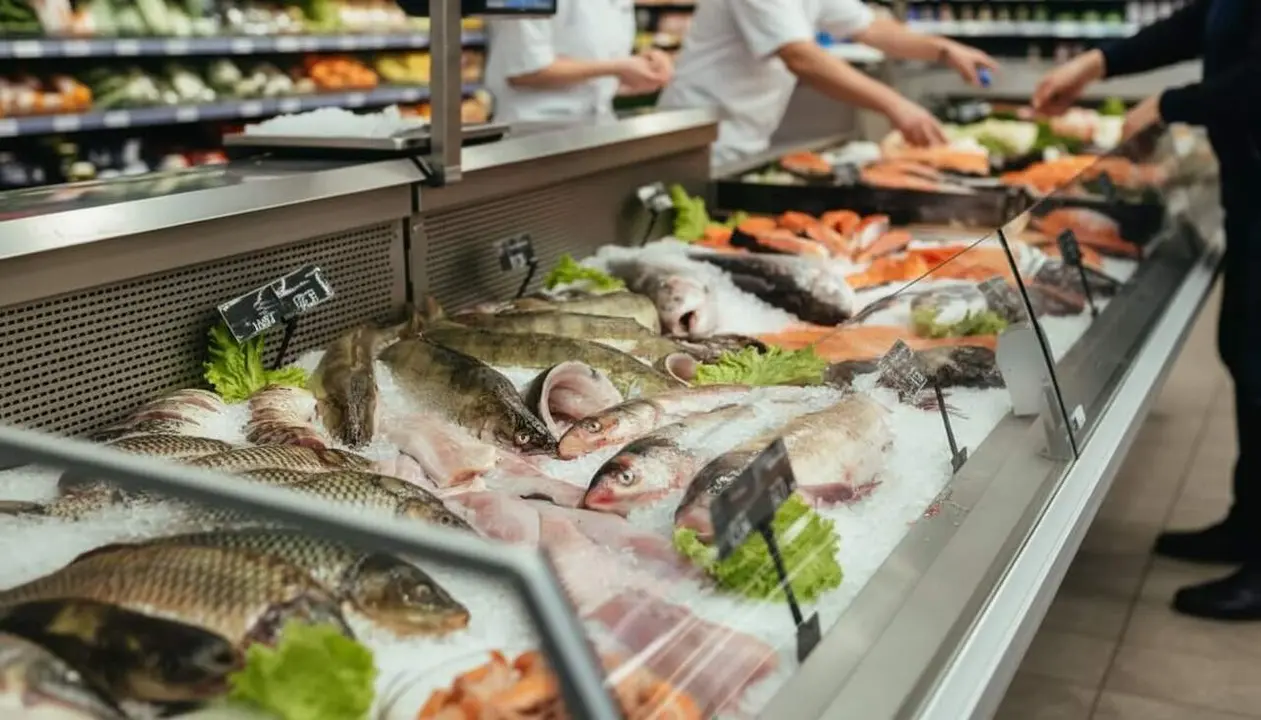

Mercadona has begun transforming its long-standing fish market into a more agile model adapted to new consumption habits. The classic counter is giving way to pre-packaged, ready-to-use products designed to make shopping more comfortable and faster.
This revolution is not a passing whim, but the result of a rigorous two-year analysis and an investment of 130 million euros in suppliers. The company aims to guarantee fresher, higher quality fish, more accessible to everyone.
What will the new fish market model at Mercadona be like?
The transformation of Mercadona’s fish market is not only a response to a trend but to a palpable need of the modern consumer. Customers seek agility and practicality without sacrificing product freshness. For this reason, the company has chosen to eliminate the traditional counters and offer fish that is already cleaned, cut, and packaged in refrigerated trays, ready to cook.
What advantages does this change bring to consumers?
With this system, the customer can select the fish directly without having to wait in line or interact with counter staff. This makes shopping quicker and more comfortable, and also allows the fish to reach home almost immediately after being caught and prepared, guaranteeing an optimal level of freshness.
How does this model adapt to current habits?
Today’s fast-paced life makes everyone look for practical kitchen solutions. Having cleaned and cut fish saves time preparing it at home, fitting the growing demand for easy-to-cook products. For this reason, Mercadona has opted for a format that facilitates shopping and immediacy of consumption.
What processes preceded this major transformation?
Before launching the new model, Mercadona spent two years testing and analyzing its customers' behavior in various stores. This study allowed them to identify that the problem was not only the product but the entire acquisition and preparation process.
What conclusions were drawn from the tests conducted?
The results highlighted that customer satisfaction with traditional fish was insufficient, mainly due to the inconvenience of handling and preparing the product at home. Thus, it was decided to opt for a more functional system focused on the overall shopping experience.
What role have suppliers played in this renewal?
The investment of nearly 130 million euros in loans to suppliers like Profand and Andalusian Piscifactories has been key to adapting the entire supply chain to the new format. Juan Roig, president of Mercadona, explained that the goal is to replicate the model already applied to meat, with strict quality and food safety control.
How will customers react to this new model?
It is clear that opinions will vary: while some will demand the classic system, others will appreciate the speed and convenience that prepared and packaged fish offers. It is likely that both formats will coexist temporarily until the perfect balance between service and efficiency is found.
What are the main challenges for consolidating this change?
The main challenge will be earning the trust of more traditional consumers without losing the interest of those seeking novelties. Success will depend on maintaining the quality and freshness promised by the new system, as well as the adaptability of all stores.
How does this transformation affect Mercadona’s overall image and operation?
This renovation of the fish market is part of a broader movement by Mercadona | to modernize its offering and better respond to customer demands. It also coincides with changes such as Mercadona launching more adapted hours and services.
The new fish market shows that Mercadona not only wants to be just another supermarket but a space where innovation and quality combine to improve the daily shopping experience.
The model that revolutionized meat is now applied to fish with the aim of guaranteeing freshness, safety, and convenience. This change is a firm step toward a supermarket that understands the needs of the modern consumer and strives to make cooking at home easier with top-quality products.
Frequently Asked Questions
- What exactly changes in Mercadona’s fish market?
- Fish is no longer bought at the counter but in refrigerated trays, prepared and cut, to facilitate shopping and guarantee more freshness.
- Why has Mercadona made this change?
- After two years of analysis, they saw that customers wanted a more practical product and a faster shopping process.
- How will this change affect the quality of the fish?
- The new system seeks to minimize the time from when the fish is caught until it reaches the consumer, ensuring freshness and better quality.