How bread, ham, and olives change with the new official decree
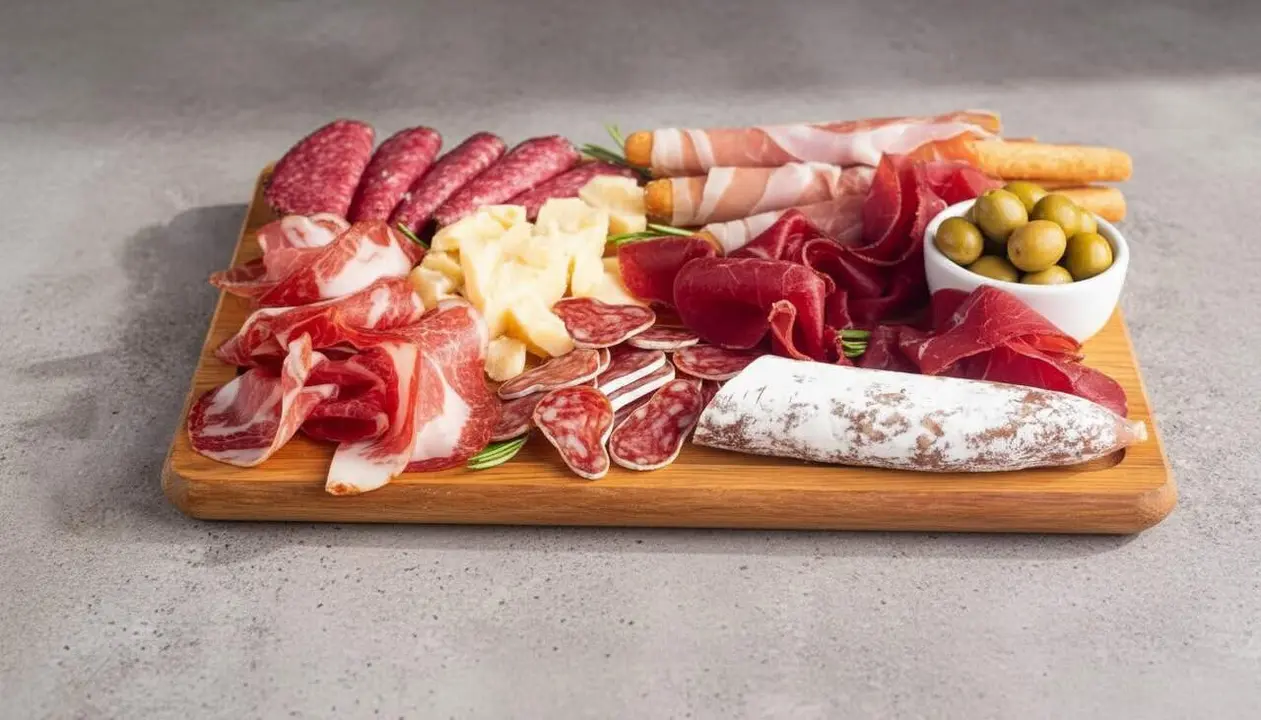

Have you ever looked at the label of olives or bread and wondered if everything it says is true? Well, now the regulation governing these products changes after decades without being touched, and for good reason.
Royal Decree 142/2026, in effect since March 1, shakes up the quality and labeling of everyday products like ham, bread, cookies, or stuffed olives. But it's not just about putting seals: the regulation has been rethought to adapt to new times and real demands.
The new legal framework for cured ham and shoulder
Marking and traceability that do not get lost
Until now, ham and shoulder had to carry individual markings indicating the week and year of entering the curing process. But when deboned or sliced, this information physically disappeared. The new regulation allows that in processed products, a label with the batch that allows traceability of the original batches is sufficient. Goodbye to losing track of the original piece.
“Natural” and “artisan production” mentions with clear criteria
For the first time, the decree regulates these popular labels. For “natural”, no additives, modified organisms, irradiation, or starches. For “artisan”, human factor must prevail over machines and an experienced master craftsman must supervise the process.
Gluten-free bread: now it really is bread
Recognizing bread for celiacs
Until now, the regulation did not legally recognize breads made with gluten-free flours as “bread.” This excluded a very necessary group of foods. The decree expands the definition so gluten-free bread can be considered bread, including ingredients such as starches or vegetable fibers even if they are predominant.
Boost for celiacs and innovation
This change is a long-standing demand from the celiac community, who now see legal recognition of a bread they were already consuming. Additionally, it authorizes new ingredients that facilitate texture and flavor, without losing the denomination.
Cookies, olives, and vinegar: more transparency and flexibility
Goodbye ash limit in cookies
The 1982 regulation imposed an ash limit that no longer matched reality. With new whole grain flours, fibers, and nuts, this parameter naturally rises, and the new regulation eliminates the ash limit so as not to hinder innovation nor penalize products valued by consumers.
Stuffed olives with clear labeling
Many stuffed olives contain a filling in the form of a paste. Until now the regulation did not require this to be clearly indicated. Now it will be mandatory to detail the composition of the paste in the list of ingredients, even if only the main ingredient such as anchovy appears in the commercial name.
Vinegars with more flexible denominations
The decree increases the tolerance in the acidity level of vinegars with Protected Designation of Origin (PDO) or Protected Geographical Indication (PGI), from ±0.2° to ±0.5°. It also allows the use of concentrated must or "stilled" must from fresh grapes, recognizing common traditional practices.
Other updated products and impact on the consumer
From tiger nut horchata to cider and turkey ham
The decree allows the production of tiger nut horchata without added sugars, prohibiting sweeteners and colorants. It also raises the methanol limit for ice ciders and legally recognizes "turkey ham," which has been sold for more than 25 years without specific regulation.
A reform that affects the entire basket
This update affects basic products found in almost every Spanish kitchen. Products made before the entry into force may be sold for up to 12 months, allowing time to adapt. A move that impacts both manufacturers and consumers, who will see clearer labels and new options.
These changes also lead us to think about the official protection of consumer rights, since now control and information are more rigorous. If you are interested in learning more about official rules, you can read the article about official plates? or the news about official protection housing.
In practice, labels that could previously mislead or confuse will now have to be more transparent. And that, in everyday products like bread, cookies, olives, and vinegar, is no small thing.