Discover how the new regulation affects canned and preserved foods

Doing the usual shopping may seem simple, but the reality hid a chaos of confusing labels and misleading names. Canned goods, olives, and even bread concealed unclear information, with claims that didn’t always reflect what was really inside.
Since March 1, a new food regulation aims to bring order and make labeling more transparent. Now, everything must be more precise, from the exact type of fish to the type of oil accompanying the product.
Fish preserves: real names and more clarity
💶 Impact: stricter labels
🕐 Implementation: from March 1, 2026
🍽️ Key: designation by species and size
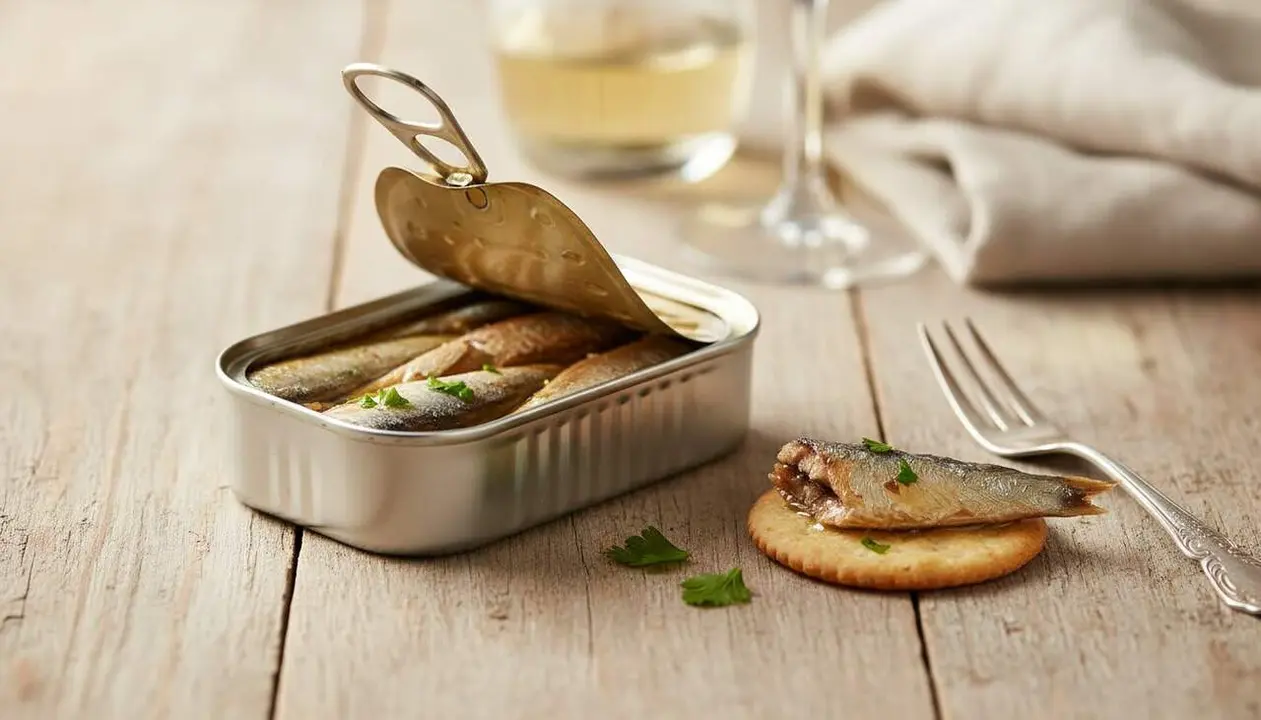
One of the most visible novelties is that commercial names must correspond exactly to the species inside the can. For example, the word “sardinillas” can only be used for the species Sardina pilchardus, with very specific size and weight measurements. No generic names or ones that seem attractive but are not precise.
Another example is cockles, which must now clearly indicate if they are common cockle, green, Greenland, dentate, or the king of New Zealand. This detail doesn’t change the nutritional value much but does affect the flavor and price, making the ingredient list more reliable than the big words upfront on the can.
Species with clearer identity
The new rule seeks to avoid confusion between very similar species but with very different market prestige. Northern bonito, mackerel, Atlantic chub mackerel, and different types of anchovies must be well identified.
Thus, for example, labels must make it clear if the product is European anchovy, Peruvian anchoveta, or Argentine anchoveta, avoiding the usual confusion that made people think they were interchangeable.
More transparent covering liquid
Regarding the oil that accompanies preserves, the law states that if it says “in olive oil,” exclusively that oil must be used, without mixing other vegetable oils. Additionally, it distinguishes between refined olive oil and extra virgin olive oil, the latter being of higher quality.
In contrast, when “vegetable oil” is mentioned, the range is wider and can include sunflower, rapeseed, or other varieties of oils.
Other products with label changes
In addition to preserves, the regulation covers other common foods.
Official turkey ham
A product that until now had popular but unofficial usage is turkey ham, which must now be labeled as such, without confusion.
Control on olives and cookies
Stuffed olives may only indicate the name of the main ingredient that provides flavor if it is a paste. And cookies see some mineral residue limits removed, allowing new less refined and more whole recipes.
When will we see these changes in supermarkets?
Although the regulation has been in force since March, products with old labels can still be sold for up to a year to allow existing stock to run out.
During this transition, old and new labels will coexist on shelves, but the key will be to focus on the exact denomination and ingredients, not just the big words on the front.
For example, when choosing a product, knowing the difference between a bonito and a mackerel can make a big difference in taste and price. That’s why it’s useful to try to interpret labels better.
By the way, if you’re interested in exploring the world of preserves with a critical eye, you can see discover the labels more critically and how they affect the real quality of the products.
Recipes to make better use of preserves
The regulation not only aims to improve information, but also helps to cook wisely. Clearly differentiating ingredients can make simple dishes with preserves much tastier and aligned with what we want.
- Cottage cheese and anchovy pâté: a quick and intense appetizer made with only two ingredients using well-identified anchovies to guarantee authentic flavor.
- Vol-au-vents with puff pastry, seafood, and avocado: a fresh and festive combination that uses cockles and other preserves with clear labeling.
- Toast with sardinillas, cheese, and olives: a simple Mediterranean dish that highlights sardinillas with precise designation and typical accompaniments.
The new regulation doesn’t complicate shopping, but it does require looking more closely and knowing what we’re really buying. This translates to higher quality and tastier dishes, as well as prices more aligned with reality.