Caffeinated drinks ranked from least to most: beyond coffee
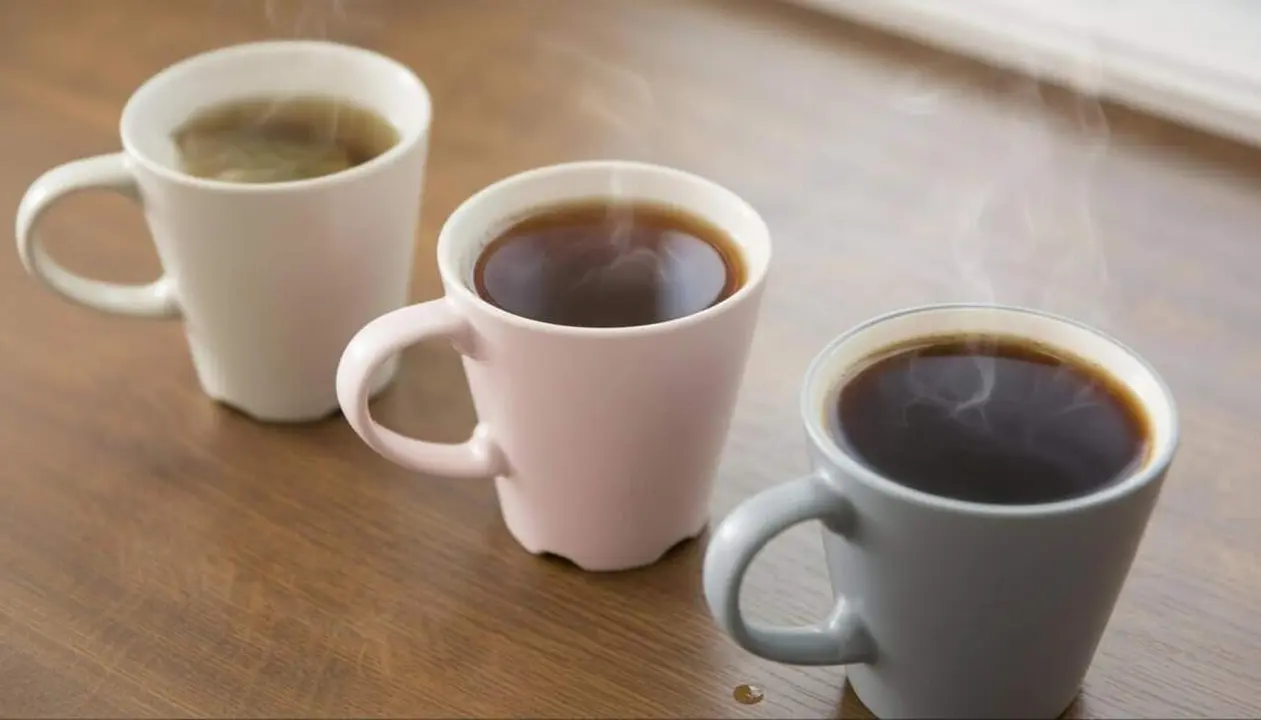

It is common to think that an espresso is the drink with the most caffeine you can find, but this perception does not always match reality. Many consumers are surprised to discover that other options, seemingly milder, can contain an equal or greater amount of caffeine.
The factors that determine the final amount of caffeine in a drink are varied and complex: from the type of bean to the extraction method and the size of the container. Therefore, the relationship between flavor intensity and caffeine is much more subtle than it appears at first glance.
Caffeinated drinks: from least to most caffeine content
⏱️ Preparation: influence on extraction
☕ Coffee varieties: arabica and robusta
🔥 Caffeine ranges: between 20 and 200 mg per cup
1. Green tea
Green tea contains between 20 and 45 milligrams of theine per 250 ml cup, much less than most coffees. Additionally, the presence of L-Theanine helps reduce stress and promote relaxation, making its stimulating effect milder and more gradual. However, the concentration may vary depending on the type of infusion and origin.
2. Energy drinks
Energy drinks usually have a caffeine concentration similar to or higher than espresso coffee, ranging between 80 and 160 milligrams per can. They often also include other stimulants like taurine or guarana. But, beware: the sugar present in these drinks makes them metabolically more aggressive and can generate a false sense of sobriety when mixed with alcohol, according to nutritionist Susana León.
3. Espresso coffee
Contrary to popular belief, an espresso made with the arabica variety usually contains between 60 and 80 milligrams of caffeine per cup. The robusta variety, on the other hand, can contain up to twice as much caffeine, but it is uncommon to find 100% robusta coffees in conventional establishments because their flavor is too intense.
4. Matcha tea
Matcha tea falls within figures similar to espresso, with between 60 and 70 milligrams of caffeine. However, the presence of L-theanine causes caffeine to be absorbed more slowly, preventing feelings of anxiety and facilitating concentration without causing drowsiness.
5. Flat white
The flat white, a very popular drink, can contain twice the caffeine of a traditional espresso, ranging from 120 to 160 milligrams per cup. This is because it is prepared with a double shot of espresso, although the milk contribution can soften the perception of flavor and intensity.
6. Filtered or American coffee
Filtered or American coffee destroys the idea that more watered-down drinks contain less caffeine. This type of preparation, with more water and a longer extraction time, can contain between 150 and 200 milligrams of caffeine per large cup, being the drink with the most caffeine on the list.
Factors influencing caffeine content in drinks
Bean variety: arabica vs robusta
The coffee variety is key: robusta contains approximately twice the caffeine of arabica. Thus, a coffee made with robusta can have between 1.8% and 2.5% caffeine, while arabica ranges between 0.8% and 1.2%. This difference affects both the flavor and the stimulating effect of the coffee.
Extraction method and drink size
The time the water is in contact with the coffee and the amount of coffee used directly influence the final caffeine concentration. Drinks like filtered coffee allow for a longer extraction time, increasing caffeine, while espresso, despite being more intense, does not necessarily contain more caffeine in total.
Benefits and considerations regarding caffeine consumption
Moderate consumption and cardiovascular health
Various studies link moderate coffee consumption with lower overall mortality and reduced cardiovascular risk. Research such as that published in The New England Journal of Medicine indicates that drinking between two and three coffees a day can increase lifespan and reduce the risks of cardiovascular and respiratory diseases.
Antioxidants and healthy alternatives
Besides caffeine, coffee provides polyphenols and anti-inflammatory compounds that contribute to health. It also acts as a substitute for other less healthy drinks, such as sugary sodas or beer, helping to reduce the intake of sugars and calories, according to physician Núria Monfulleda.
In conclusion, the perception of coffee as a strong or mild drink does not always coincide with the amount of caffeine it provides. Therefore, being aware of the coffee variety, extraction method, and cup size is essential to truly understand how each drink affects you.
Ultimately, when we talk about caffeinated drinks, espresso is not always the king. Other options like flat white or filtered coffee can far surpass its caffeine contribution, while drinks like green tea or matcha offer a milder and more balanced stimulation.
By the way, if you are interested in exploring more about drinks | and discovering the Drinks of the world you should try at least once in your life even if they intimidate you, we recommend you check out these contents to complete your coffee experience.