6 stores with the best bonbon-style ice creams: what you need to know
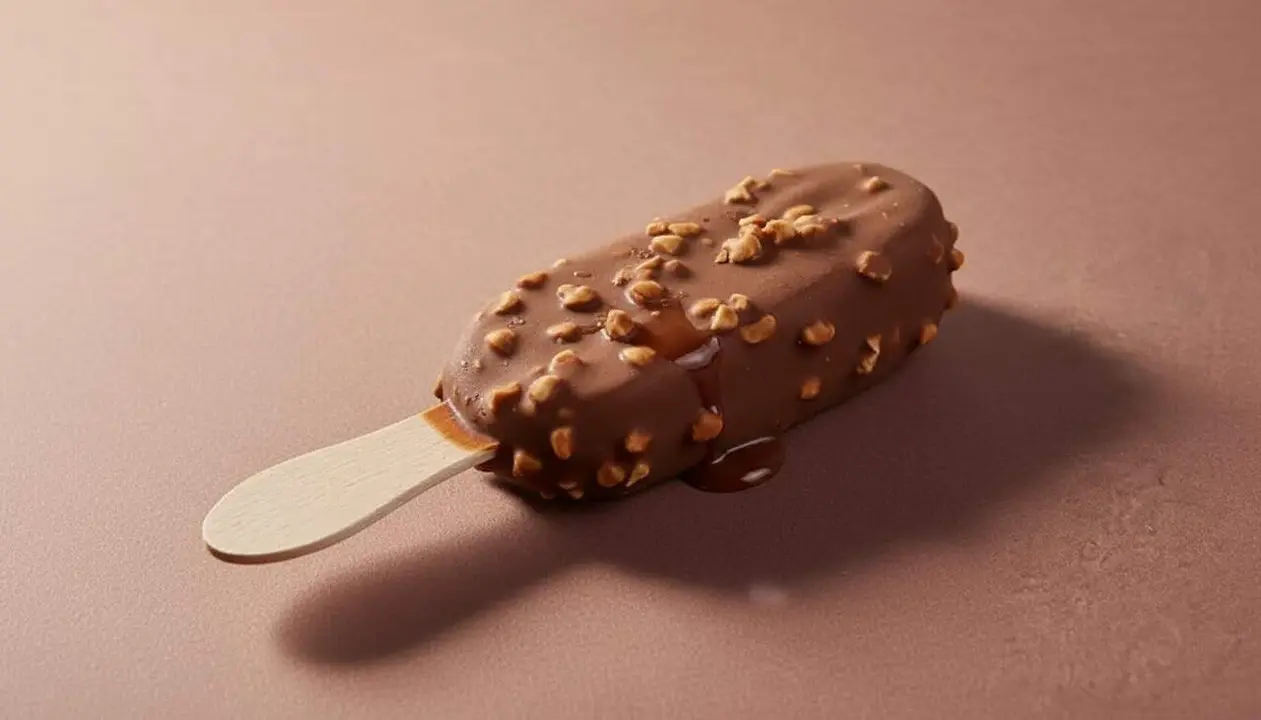

Imagine preparing yourself for a moment of pleasure with a bonbon-type ice cream and discovering that the taste does not meet expectations. This is what has happened to many consumers after a study highlighted the low quality of these products we often buy without thinking.
The Organization of Consumers and Users (OCU) has warned about the notable differences between traditional bonbon-type ice creams and those currently sold in supermarkets, where the ingredients and flavor are far from what is expected of a classic, artisanal product.
Key differences in the composition of bonbon-type ice creams
The substitution of dairy fats with vegetable alternatives
One of the most striking findings is the almost total absence of dairy fats such as butter or cream, which traditionally provide flavor and texture to the ice cream. Most of the ice creams studied use vegetable fats from coconut, palm, or sunflower to reduce costs, but this radically changes the organoleptic experience.
That is, if you expected an ice cream with the intense taste and creaminess of butter and cocoa butter, you may end up with a product that does not resemble it at all.
The use of sugars and additives instead of natural ingredients
It was also detected that traditional sugar is replaced by a mixture of sugar, glucose, and fructose, which not only affects the cost but also diminishes the product's quality. Furthermore, the presence of an average of eight additives per ice cream shows that many of these ingredients serve to deceive the palate and compensate for the lack of natural ingredients.
Among the additives that raise the most concern are E-442, E-476, and E-471, the latter present in all the analyzed ice creams and questioned by various European organizations regarding its safety.
Ratings and recommendations according to the OCU study
Ice creams with the best and worst scores
The study included a blind tasting conducted by a group of pastry experts, among whom were Marc Vidal and Clara Ribas, respected professionals in the sector. The results were quite revealing: half of the products received mediocre scores, especially private label brands such as Alipende, Alteza, and La Sirena.
In contrast, ice creams like Carrefour Extra Black and those from El Corte Inglés stood out in the dark chocolate bonbon category. In the almond version, the Magnum Collection Frac led the ranking, although at a price nearly double other options.
Advice for the conscious consumer
The OCU recommends limiting the consumption of these ice creams due to their high caloric value — an average of 319 kilocalories per 100 milliliters — and choosing smaller formats, about 41 milliliters, to better control energy intake.
Additionally, they invite you to use their application, OCU Market, which allows you to evaluate the nutritional quality and price of products by scanning the barcode, a useful tool to avoid traps and make more informed purchases.
How to interpret the label and avoid surprises
Keys to detecting ultra-processed ice creams
If when reading the ingredient list you see many hard-to-pronounce names, such as emulsifiers or stabilizers with E codes, you can already suspect that it is a product with a high presence of additives. These substances often replace original elements like egg yolk or cocoa butter.
It is also common to find colorants and flavorings that imitate vanilla or other flavors but contribute nothing more than an artificial taste.
Practical comparison of composition and price
| Brand | Type of fat | Highlighted additives | Price (€/100ml) | Expert rating |
|---|---|---|---|---|
| Carrefour Extra Black | Vegetable and dairy fats | E-471, E-442 | 1.50 | High |
| Magnum Collection Frac | Vegetable fats | E-471, E-476 | 3.00 | Very high |
| El Corte Inglés | Vegetable and dairy fats | E-471, E-442 | 1.80 | High |
| Alipende (Ahorramás) | Vegetable fats | E-471, E-476, E-442 | 1.00 | Fair-low |
| La Sirena | Vegetable fats | E-471, E-476 | 1.20 | Fair-low |
As can be seen, price does not always guarantee quality, but there is a clear trend that products with better ratings combine dairy fats with fewer additives.