The EU will ban single-use plastic single-dose packaging from 2030: What changes in Tarragona?

The EU began implementing this Wednesday a regulation that will ban single-use plastic single-dose packaging starting January 1, 2030. This regulation also already limits the use of PFAS substances in packaging that comes into contact with food, a health risk according to Brussels.
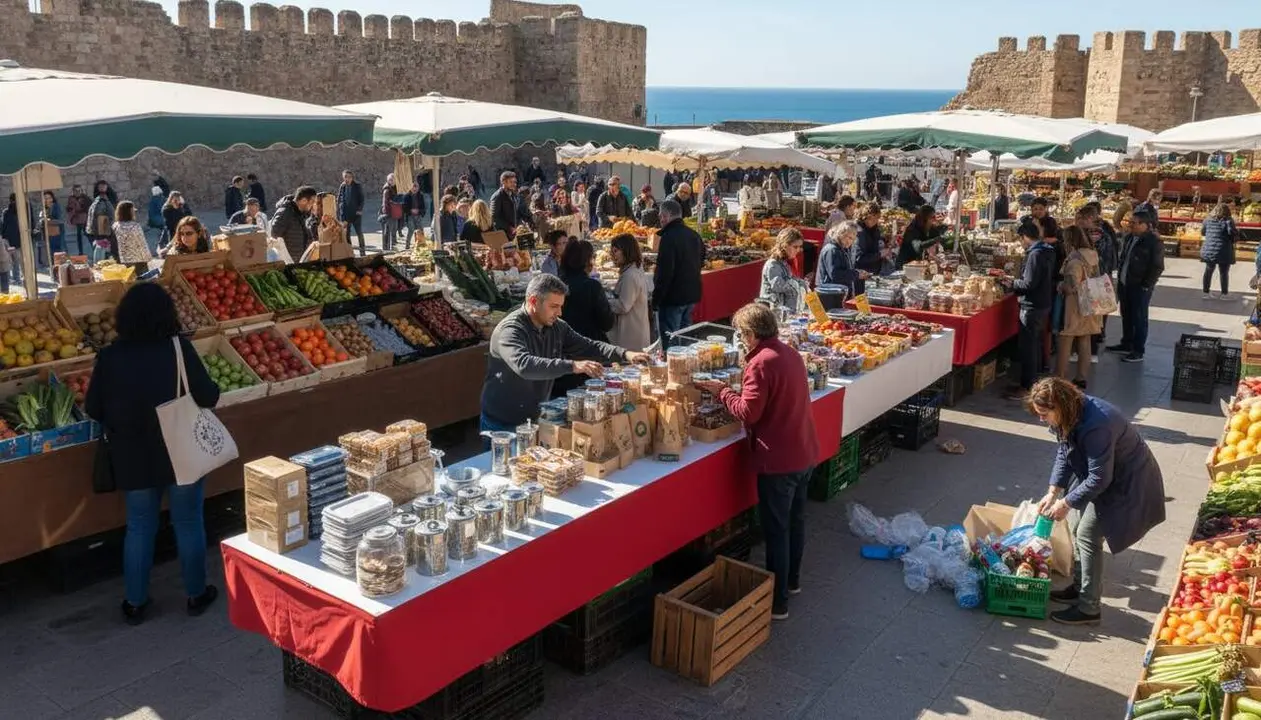
Small single-use packages, very common in hotels, restaurants, and cafes in Tarragona, will have to give way to reusable alternatives or more sustainable materials in less than four years. This transition affects how many local businesses serve individual portions.
What does this mean for the residents and businesses of Tarragona?
How does the ban on single-dose packaging affect local establishments?
This measure directly impacts many catering and hospitality businesses in the province that use small single-use packages for sauces, jams, or sugar. In Tarragona, many hotels have already begun replacing them with solutions such as glass jars or bulk dispensers.
The Garraf Hospitality and Tourism Guild highlights that businesses have until 2030 to adapt, but the trend is already clear: sustainability is prioritized to avoid penalties and comply with European regulations.
Why are single-dose plastic packages banned?
The main reason is the large amount of waste these plastics generate, which hinder a circular economy and contribute to carbon emissions. In the EU, 40% of plastic and 50% of paper used between 2010 and 2021 were for packaging, which represents more than one-third of urban solid waste.
Thus, the regulation aims to reduce waste per capita by 5% in 2030 and 15% in 2040, while increasing recycling to 70%.
Immediate limitation of PFAS in food packaging
What are PFAS and why is the EU restricting them today?
PFAS are artificial chemical substances found in some packaging coatings that persist in the environment. The European Commission warns that exposure to PFAS in contact with food poses an unacceptable risk to human health.
Therefore, since August 12, packages exceeding certain limits of these substances have been banned. Packages manufactured before this date may remain on the market until stock runs out.
How does this limitation affect Tarragona and its food sector?
Local manufacturers and distributors must adapt their processes and materials to comply with the regulation. This may entail a change in the supply chain of products destined for hospitality and local commerce.
Consumers can also expect better quality and less risk of chemical contamination in food packaging found in the province.
Criticism and pending challenges of the regulation
What objections do environmental entities raise?
Greenpeace considers the regulation a step forward but insufficient. They criticize that the rule leaves legal gaps and exceptions that allow the throwaway model to persist disguised as recycling.
They demand mandatory deposit, return, and refund systems, as well as stronger bans against overpackaging, especially in fruits and vegetables.
What future does the local sector foresee in the face of these changes?
Businesses in Tarragona are in full transformation, adopting more sustainable models. However, the challenge is great and will require investments and habit changes both for companies and consumers.
2030 will mark a before and after in packaging management in the province and throughout the EU.
The reality is that this regulation marks a clear change in waste and consumption policy in Tarragona, with a horizon that forces abandoning single-dose plastic for more responsible alternatives. If you haven’t noticed the change at your usual bar or hotel yet, get ready: 2030 is already here.
Frequently Asked Questions
- When does the ban on single-dose plastic packaging come into effect?
- The ban will be effective from January 1, 2030 throughout the European Union.
- What are PFAS and why are they limited?
- They are persistent chemical substances with risks to human health, and the EU restricts their use in food packaging as of August 12, 2026.
- How will this regulation affect local businesses in Tarragona?
- Businesses will have to adapt by eliminating single-dose packaging and seeking reusable or more sustainable alternatives before 2030.
Source of the article: Editorial / Catalan News Agency