
La Secuita launches project to connect the T-2031 road and Camp de Tarragona station with 4 million
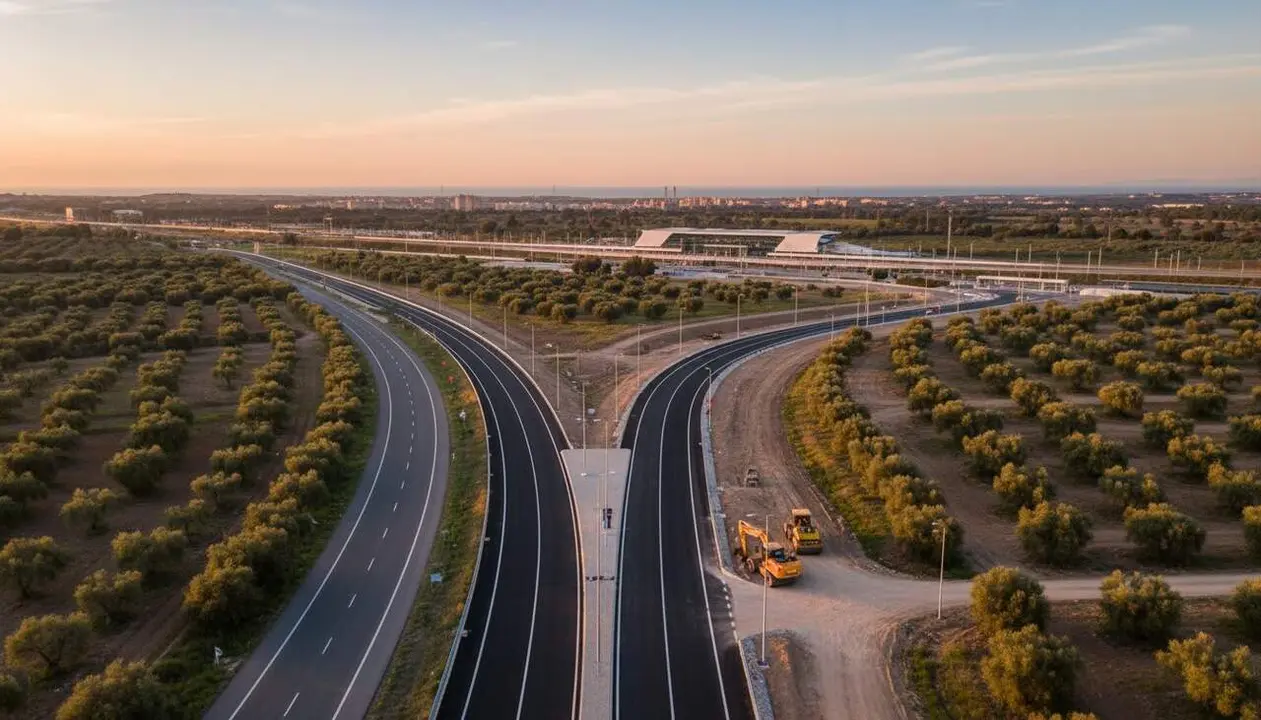

The Diputació de Tarragona and the Generalitat have launched a key project to connect the T-2031 road with the high-speed station of Camp de Tarragona. This 1.5 km infrastructure aims to facilitate access to an area where mobility has always been a headache for the neighbors and train users.
With a budget of 4 million euros, equally financed by both administrations, the project will not only build the road but will also involve a study to decide the best route option and a strict environmental assessment before starting the work.
Project details and its local importance
Why is this spur of interest to the residents of La Secuita and Tarragona?
Improving the connection between the T-2031 road and the Camp de Tarragona station is vital to avoid traffic jams and facilitate accessibility in a strategic area that serves as an entry point to high-speed rail. Residents and drivers will enjoy smoother and safer mobility, with fewer complications when arriving at and leaving the station.
What phases does the project drafting include?
Before construction, an informative study will be drafted to compare different route alternatives. This study will determine the best solution, which will then undergo an environmental assessment process. Finally, the construction project that will guide the building of the spur will be developed.
Wider context: actions in the Tarragona region
What other projects are included in the tender beyond the spur?
The tender also covers thirteen additional projects throughout the region, from the new bypass of Benissanet to the construction of roundabouts in Pallaresos, Pla de Santa Maria, and L'Ametlla de Mar. These actions aim to improve road safety, reduce urban traffic, and ensure smooth flow at critical points.
What mobility improvements are expected in the area?
Besides the road, a provisional supervised parking lot has been launched, and a 400-space parking area is planned. Work is also underway on lighting and access to the station, all under an agreement bringing together the Generalitat, Diputació, municipalities, and ADIF to ease life for users and avoid collapses.
Impact and future prospects of the spur
How will the project affect the local landscape and mobility?
The construction of the spur will slightly alter the local route but will compensate with more efficient and safer mobility. Residents will be able to access the station without complications, and reducing traffic in other areas is an expected result.
When is this new access expected to become operational?
After drafting and approving the project, and passing the environmental assessment, the start of construction is planned for the coming months. Everything will depend on the administrative and tender process, but the intention is to accelerate as much as possible to avoid prolonging mobility instability.
This project is a clear example that a joint investment can solve persistent mobility problems. With real collaboration between administrations and the involvement of municipalities, accessibility to Camp de Tarragona will truly improve and not just with empty words.
Source of the article: Catalan News Agency