The Reus City Council encourages affordable housing with the IBI

When buying an apartment is already a luxury, the Reus City Council has adjusted the property tax (IBI) to make social rental more attractive. Did you know that now protected housing under the Plan 50,000 can have a tax exemption of up to 95%? It’s not a mirage, it’s the new tax reality for anyone who wants to bet on affordable housing.
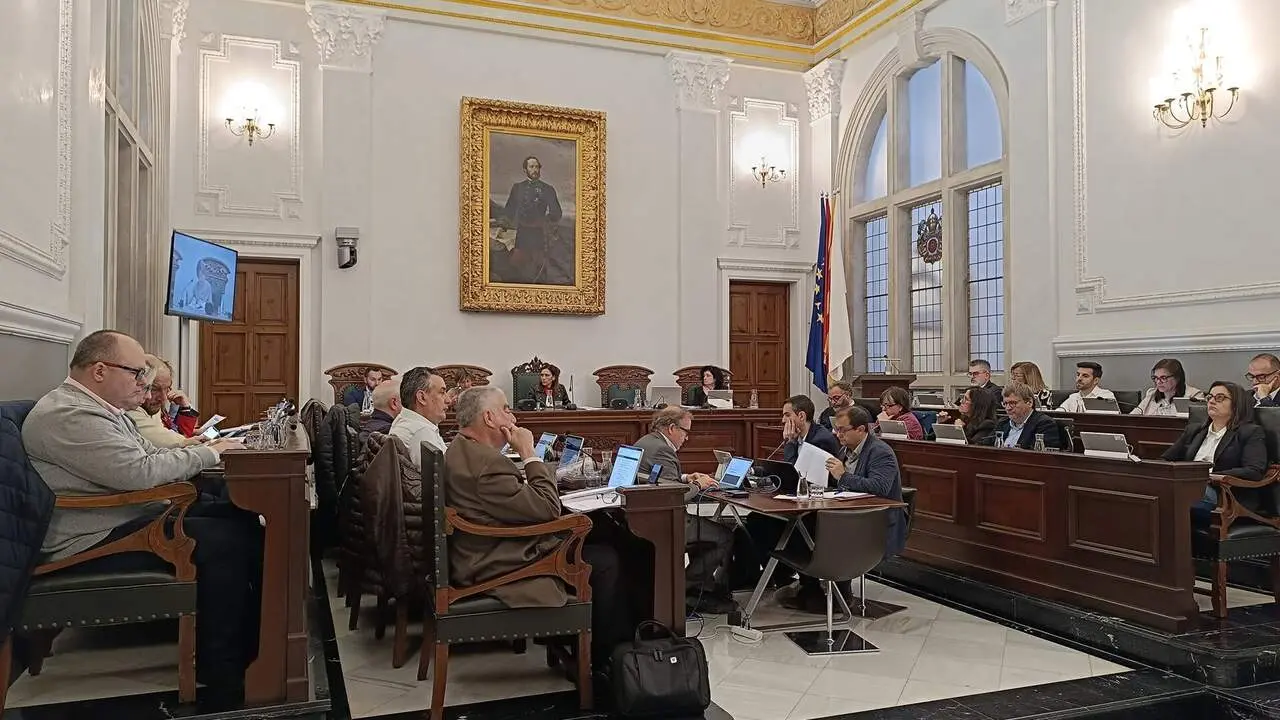
The Plenary of the Reus City Council approved on May 15 a key modification to the Property Tax (IBI) ordinance aimed at equalizing treatment for homes under the Plan 50,000 with the rest of the official protection. This means that apartments intended for social rental that are declared of special municipal interest can benefit from a much higher exemption than before.
IBI exemptions for affordable housing
The change that shakes the system
Until now, the ordinance provided a 50% exemption during the first 10 years and 25% between the 11th and 15th year for protected housing. But the Plan 50,000, promoted by the Generalitat, had a problem: the IBI could not be passed on to the tenant, leaving owners with a cost that discouraged any investment.
The new agreement allows for up to a 95% exemption of the IBI for protected homes linked to this plan, provided they are effectively intended for social rental and recognized by the Plenary as being of special municipal interest or utility. This avoids this type of housing being fiscally penalized compared to other developments.
What does this mean for developers and citizens?
- Clear incentive for investors wanting to bet on social rental.
- Balance between tax regimes that were previously unequal.
- A measure aimed at reversing the affordable housing problem in Reus.
Other approved tax modifications
Activities tax: a cap to avoid overcharging
The City Council has set a ceiling of 25,000 euros for the fee of the administrative intervention tax on activities, seeking that taxes be proportional to the actual service provided. This measure prevents companies or businesses from paying more than they should and ensures the city maintains revenue aligned with reality.
Cemetery tax and transitional regime
Old concessions, some in perpetuity, may be regularized with an adapted rate until December 31, 2031. This facilitates that holders with situations prior to the current regulation can put things in order without overpaying. After this date, any new concession will be made under current rates and for a maximum period of 50 years.
The political perspective behind the measure
An adapting city council
Manel Muñoz, Councilor for General Services and Finance, explains that these modifications arise from the need to combine technical rigor with social usefulness. Modern administrations must correct imbalances and serve as a tool to facilitate affordable housing and legal certainty.
One more step in the battle for housing
The change to the IBI is a clear example that it’s not all words and promises. If the city wants to address the fight for decent housing, it must move forward and provide real facilities to those who build and manage social rental.
With this move, Reus wants to lay its cards on the table: promoting affordable housing should not be a loss, but an opportunity. Let everyone be clear on that.
The decision to grant up to a 95% IBI exemption in these cases not only helps to alleviate the housing crisis but also prevents regulations from creating absurd disadvantages that hinder access to social housing. Tax benefits are adjusted, and with them, the hope that more neighbors can find decent shelter in Reus.
Source of the article: Reus City Council