More than 10% of the trees in Catalonia have severe defoliation: What is happening to the forests?

More than 10% of the trees in Catalonia show a defoliation rate above 40%, a clear sign of forest weakening according to the 8x8CAT monitoring system. This alert comes after an annual inspection analyzing nearly 9,000 trees spread over 375 plots throughout the country and highlights a worrying reality: Catalan forests are more vulnerable than ever.
If you have wondered why our forests are not as healthy as before, the answer has clear names: abandonment of traditional management, climate change, and exotic pests. And this not only affects nature but also the way we all relate to the territory.
The 8x8CAT system: how tree health is assessed in Catalonia
What is the 8x8CAT network and how does it work?
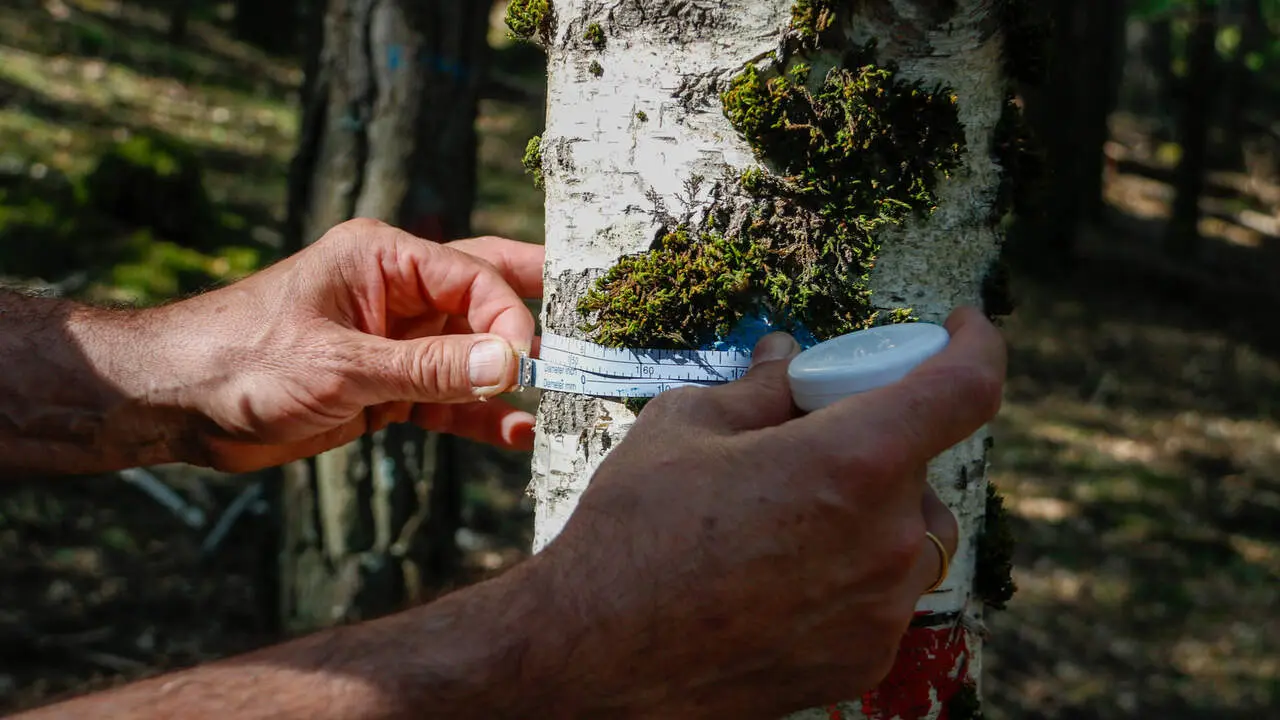
The 8x8CAT network is the official observatory that has been measuring the health of Catalan forests for over 35 years. Every year, technicians from the Department of Agriculture and Catalan Forestry visit 375 plots systematically distributed throughout Catalonia. In each area, 24 trees near the central point are analyzed, recording parameters such as height, diameter, and especially the defoliation index, which indicates leaf loss compared to an ideal tree of the same species.
Why is defoliation key to understanding forest vitality?
The defoliation index is the thermometer that measures tree health: when it exceeds 40%, technicians consider the tree seriously weakened. This defoliation indicates that the forest is less able to withstand adverse phenomena like droughts, storms, or pests. A forest's vitality translates into its capacity for resistance and recovery, and defoliation tells us when this weakens.
Factors weakening Catalan forests: What is happening?
How do climate change and forest management affect tree health?
Experts point to three main factors explaining the current state of forests: climate change, globalization, and the abandonment of traditional forest management. The drought between 2021 and 2024 has left deep marks, and despite some improvements in the Pyrenees, forests still suffer from water stress. Additionally, the lack of usual forest work makes trees less resilient to pests and extreme weather phenomena.
What role do exotic pests play in forest weakening?
Pests arriving from outside, such as the box tree moth, further complicate the situation. This species, now considered invasive, is altering ecosystems and is difficult to control on a large scale. Technicians collect samples to detect them early and activate emergency measures upon confirmation of their presence, but the increase of these external agents makes forest management more complex and urgent.
The current situation and outlook: What should we know?
What signs of recovery or worsening do the forests show?
Although there are some signs of recovery in areas like the Pyrenees, the increase in damage from storms and heatwaves in 2026 worries technicians. These conditions reinforce vulnerability and facilitate the appearance of new pests, which could further worsen the state of forests if more active and constant forest management is not undertaken.
What measures are proposed to reverse the situation?
Specialists call for continuous monitoring and active forest management to maintain forest vitality. This involves recovering the tradition of intervening in the forest mass, strengthening early detection of pests, and adapting actions to new climatic and biological threats. The key lies in making forests more resilient and capable of surviving future challenges.
| Factor | Impact on forests | Example |
|---|---|---|
| Climate change | Increases drought and extreme phenomena | Drought 2021-2024 and heatwaves 2026 |
| Abandonment of forest management | Reduces vitality and resistance | Less traditional intervention |
| Exotic pests | Increase damage and hinder recovery | Box tree moth |
Article source: Marc Codinas / Catalan News Agency