The Catalan industry bets on defense: more than 100 companies ready for tank maintenance and
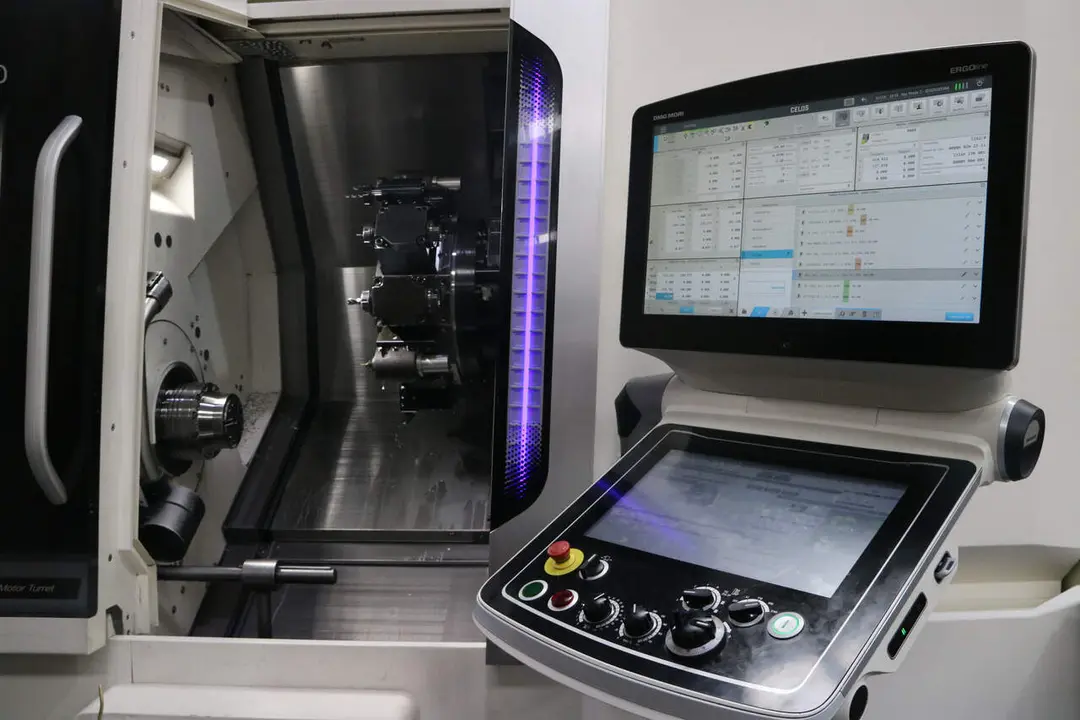

The Catalan industry is shifting its focus to the defense sector, seeing real opportunities to secure employment in sectors threatened by relocation. Companies with experience in the automotive industry are already working on projects related to military maintenance, showing that maintaining a tank and a car is not so different.
All this takes place in a global context of increasing military spending, which drives this industrial transformation in Catalonia, a region with recognized technology and experience that can adapt to the needs of the defense sector.
The transformation from automotive to defense
What does this change mean for Catalan companies?
It is key for the reader to know that the automotive sector, a pillar of the Catalan economy, faces a "perfect storm" that forces diversification. With European regulations promoting electrification and Chinese competition, many companies see defense as a new horizon to maintain jobs and resist relocation.
Josep Maria Vall, president of the CIAC, highlights that defense will not replace the automobile but will help diversify the industry in the long term. Furthermore, manufacturing processes can be adapted without major investments, only by transforming the way of working, since military production is much smaller but requires high quality standards.
Which automotive technologies are useful for defense?
Dual-use technologies such as cameras, sensors, or robotics, common in the automotive sector, are perfectly applicable to defense. This facilitates established companies entering this new sector without major reconversions, leveraging accumulated experience and knowledge.
This approach allows companies manufacturing gears or components for civilian vehicles to easily adapt to military requirements, paving the way for projects with high technical and quality complexity.
The key role of SMEs and the consultancy Dualys
How can Catalan SMEs enter the defense sector?
The main obstacle small and medium-sized companies see is a lack of knowledge and clear paths to access it. Pere Ferrer, co-founder of Dualys, emphasizes that the Catalan ecosystem is already strong and that major reconversions are not needed, just knowing how to adapt to the sector’s certification and quality requirements.
Dualys was created to facilitate this transition, helping experienced companies explore opportunities in a sector forecasting European investment of 800 billion euros by 2030.
Why can the defense sector be a long-term opportunity?
Strategically, defense is a transversal project that can multiply its activity in Catalonia and create thousands of qualified jobs. This strategy is seen as a 5 to 15-year process where SMEs can integrate into broader supply chains, leveraging their experience and capabilities.
Sector growth is not immediate, but positioning oneself now is key to avoiding being left out of the market in the medium term.
Practical case: Innovae and technology applied to military training
How has Innovae adapted its simulators to the defense sector?
Innovae is a clear example of how a technology company can channel its know-how toward defense. Based in San Sebastián with offices in Barcelona and Cuenca, it has developed simulators for helicopter and military vehicle maintenance training, collaborating with Airbus and the army.
Its marketing director, Xavier Riba, explains that there is growing demand for projects simulating realistic and crisis situations, essential for preparing military personnel given the current geopolitical environment.
Why are tank and car maintenance similar?
Riba points out that despite obvious differences, many components like engines, wheels, and other parts are similar. This means companies with automotive maintenance experience can adapt relatively easily to military needs, reinforcing the argument for industrial diversification.
This vision opens the door to a new way of understanding the Catalan industry, which looks beyond the traditional sector to guarantee stability and the future.
Source of the article: Maria Asmarat / Catalan News Agency