China has just launched the first electric car with a sodium-ion battery and 400 km of range
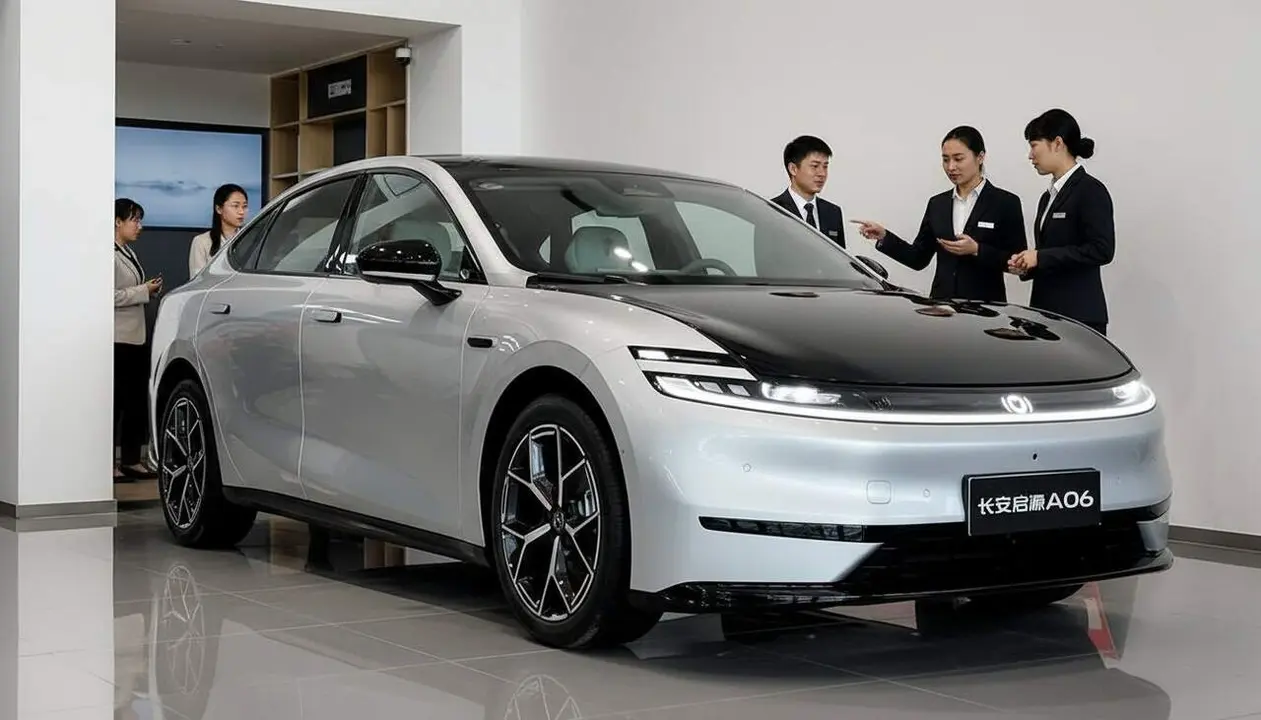

China has launched the electric vehicle revolution with a car that does not use lithium batteries. The Changan Nevo A06, the first production model with a sodium-ion battery, promises range and safety like never before.
If you think charging an electric car is an eternal wait, wait until you see how this car charges 80% in just 15 minutes, and withstands temperatures from -40 °C to 70 °C with surprising chemical stability.
Changan Nevo A06 and the sodium battery: why should we care?
What makes the sodium-ion battery special compared to lithium ones?
The Nevo A06’s 45 kWh CATL Naxtra battery offers an energy density of 175 Wh/kg and a range of 400 km on a single full charge. Additionally, its stable chemistry reduces the risk of fires, a known issue in more traditional lithium batteries.
How does the recharge compare to other electric vehicles?
The Nevo A06 can go from 0% to 80% in 15 minutes, nearly half the time a Tesla Model Y takes under similar conditions. This brings it closer to the refueling experience of a combustion engine car, avoiding long waits.
Safety and performance in extreme climates
How does the sodium battery affect vehicle safety?
The chemistry of sodium batteries is more stable and less flammable, meaning fewer risks in case of damage or accidents. This feature could change the safety landscape in electric vehicles.
Performance under extreme temperatures: what should you know?
The Naxtra system maintains up to 90% of its capacity in very cold conditions, operating between -40 °C and 70 °C. At -30 °C, it retains three times more discharge capacity than current LFP batteries, a key fact for markets with harsh winters.
Impact and future of sodium-ion technology in electric mobility
Can this technology change the global market?
With the launch of the Nevo A06, China reaffirms its position at the forefront of innovation in electric vehicles. The sodium battery can lower costs and improve safety, two key factors for mass adoption.
What challenges lie ahead?
Although promising, sodium-ion technology must prove its long-term reliability and expand capacity to compete with the global network of fast chargers and existing infrastructure.
| Feature | Detail |
|---|---|
| Range | 400 km per charge |
| Battery capacity | 45 kWh (CATL Naxtra) |
| Charging time | 15 minutes for 0-80% |
| Operating temperature | -40 °C to 70 °C |
| Energy density | 175 Wh/kg |
The sodium-ion battery technology of the Changan Nevo A06 not only represents a step forward in range and charging but also offers better safety and resilience in extreme climates, an almost perfect combination for the future of electric vehicles.
The data and innovation coming from China leave no one indifferent and open a new chapter in sustainable mobility, especially for those living in areas with more extreme temperatures or seeking a safer and faster alternative.
The Nevo A06 model and the CATL Naxtra battery set the path for other manufacturers to rethink their technologies and the global market, which never stops changing. The revolution of 400 km with a single charge and recharge in 15 minutes is already here.
Frequently Asked Questions
- What range does the Changan Nevo A06 really offer?
- The car offers a range of about 400 km with a single full charge of its 45 kWh battery.
- How does the charging time compare to other electric vehicles?
- It can charge up to 80% in 15 minutes, nearly half the time a Tesla Model Y takes under similar conditions.
- Why is the sodium-ion battery safer?
- Its stable chemistry reduces the risk of fires and better withstands damage or extreme conditions than lithium batteries.