How Europe wants to stop the Chinese offensive with retro electric cars by 2026
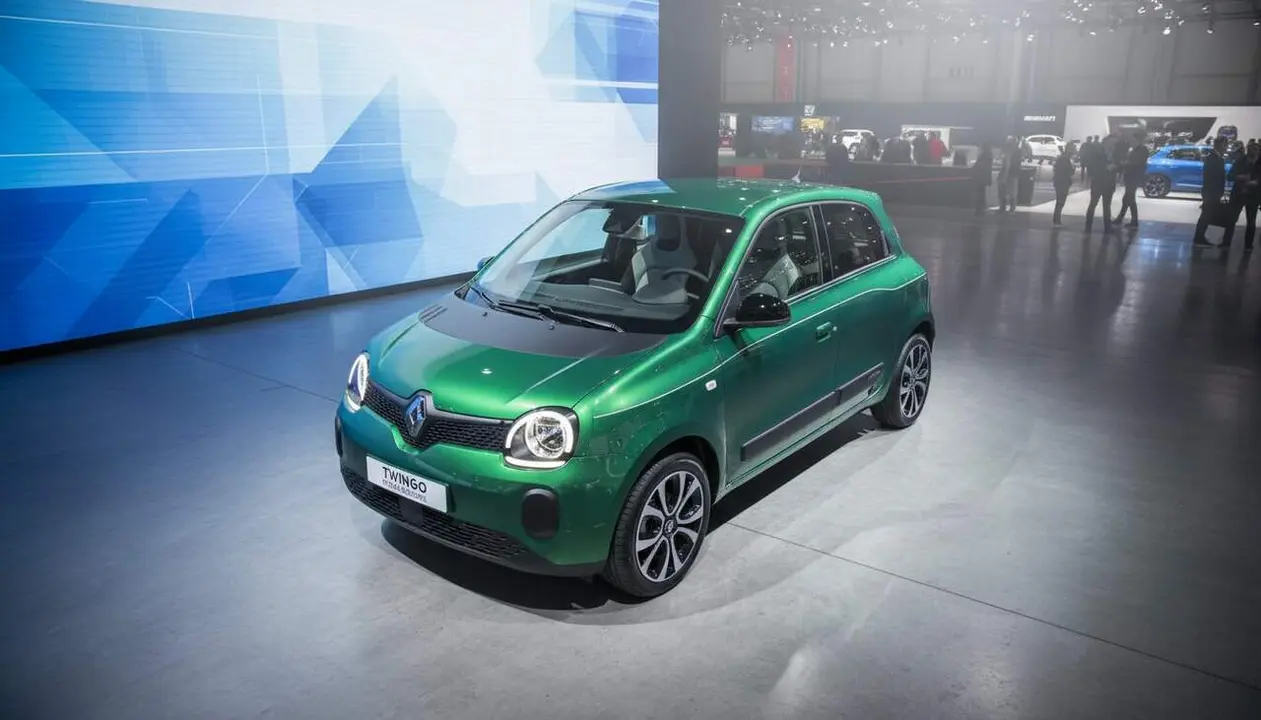

Europe cannot compete with the speed or price of Chinese manufacturers, but it has a weapon they still cannot replicate: decades of history and a strong sentimental charge. This strategy is based on reviving icons like the Renault 5 or the Fiat 500 to make electric cars more attractive in the eyes of drivers.
This formula not only seeks to sell a new product but to reuse collective memory to differentiate itself in an increasingly homogeneous and competitive market. But how exactly are European brands doing this? And to what extent does it help curb the rise of Chinese presence in the market?
Nostalgia as a weapon to face the Chinese
Why does Europe bet on retro electric models?
For our reader, nostalgia is not just an aesthetic whim but a necessity for electric cars to gain ground. The European sector faces an increasingly uniform offer and rapidly growing Chinese competition: a +131% increase in registrations in the EU, UK, and EFTA in June 2026.
European brands, like Renault or Alpine, revive emblematic and popular models—not elitist sports cars—to emotionally connect with the public and gain market share in a landscape where technology is very similar among competitors.
How do the Renault 5 and Alpine A290 make a difference?
The Renault 5 E-Tech is not just a simple reunion with the past, but a combination of an icon with modern technology. This model has driven an increase of over 40% in Renault’s electric vehicle sales during the first quarter of 2026. The Alpine A290, with a sportier and more powerful version, helped the brand grow by 139.2% in 2025 and another 54.7% in the first quarter of 2026, strengthening its unique identity amid new challenges.
Iconic European models that continue to conquer the market
What other models revive history to succeed?
Mini and Fiat are clear examples that this strategy works beyond France. Mini recorded a sales increase of 11.7% in the first half of 2026, driven by its electric models that maintain the essence of the 1959 Mini.
Fiat, meanwhile, reactivated its 500 in a hybrid version in 2026 to attract customers who did not want to switch fully to electric. This helped the brand lead the European A segment with a 21.7% growth in registrations during the first half.
What does the return of the Citroën 2CV mean?
Citroën is preparing a new electric 2CV that will not literally copy the design but will revive the philosophy of simple and affordable mobility of the original model. At a key moment to define its identity within Stellantis, this bet seeks to differentiate itself from the new Chinese players and the group’s German brands.
Although it is a risky move, the 2CV can reinforce the European narrative based on functionality and closeness rather than visual spectacle.
The limits and challenges of retro models in the electric era
Why don’t all retro cars succeed?
It must be clear that nostalgia does not guarantee success. The Volkswagen New Beetle disappeared after a cycle without continuity, and the electric Fiat 500 has suffered from a high price and a mechanics ill-suited to the masses.
The Renault 5 also needs to ensure competitive autonomy and pricing to last beyond the novelty effect.
Do Chinese manufacturers also build their own identity?
Some Asian brands, like MG, have clung to their British history to gain credibility, while others hire European designers to define their own visual language. Thus, the European historical advantage is valuable but not enough to maintain its position.
| Brand | Sales increase 1H 2026 | Electric market share | Key iconic model |
|---|---|---|---|
| Renault | +40% electric 1Q 2026 | 18.8% | Renault 5 E-Tech |
| Alpine | +139.2% 2025 | - | Alpine A290 |
| Mini | +11.7% 1H 2026 | - | Electric Mini |
| Fiat | +21.7% 1H 2026 | - | Fiat 500 Hybrid |
Reviving familiar names helps capture attention and reduce distrust, but the car must support that promise. Well-used nostalgia is strategy; empty nostalgia is disguise.
Asian manufacturers can quickly match technology and prices, but they cannot replicate seventy years of memories and identity. Europe, with this retro strategy, is playing a card that could define its future in electromobility.
The reality is that European collective memory has become a commercial product that goes beyond technology and numbers. Whoever wins this game will not only have electric cars but also heart and history behind them.
The European battle against the new Chinese wave is also fought in the retina, not just in fast battery swaps.
Frequently Asked Questions
- Why do European manufacturers bet on retro electric models?
- They revive popular icons to emotionally connect with drivers and differentiate themselves in a very homogeneous and competitive market.
- How do Chinese cars affect the European market?
- Chinese registrations grew by 131% in June 2026, offering technologically advanced and more affordable models.
- Will the new Citroën 2CV be a copy of the original model?
- No, it will maintain its philosophy of simple and affordable mobility, but with a design adapted to the present and electric technology.