Manufacturers recommend increasing tire pressure by 0.2 bars with the car loaded in the summer
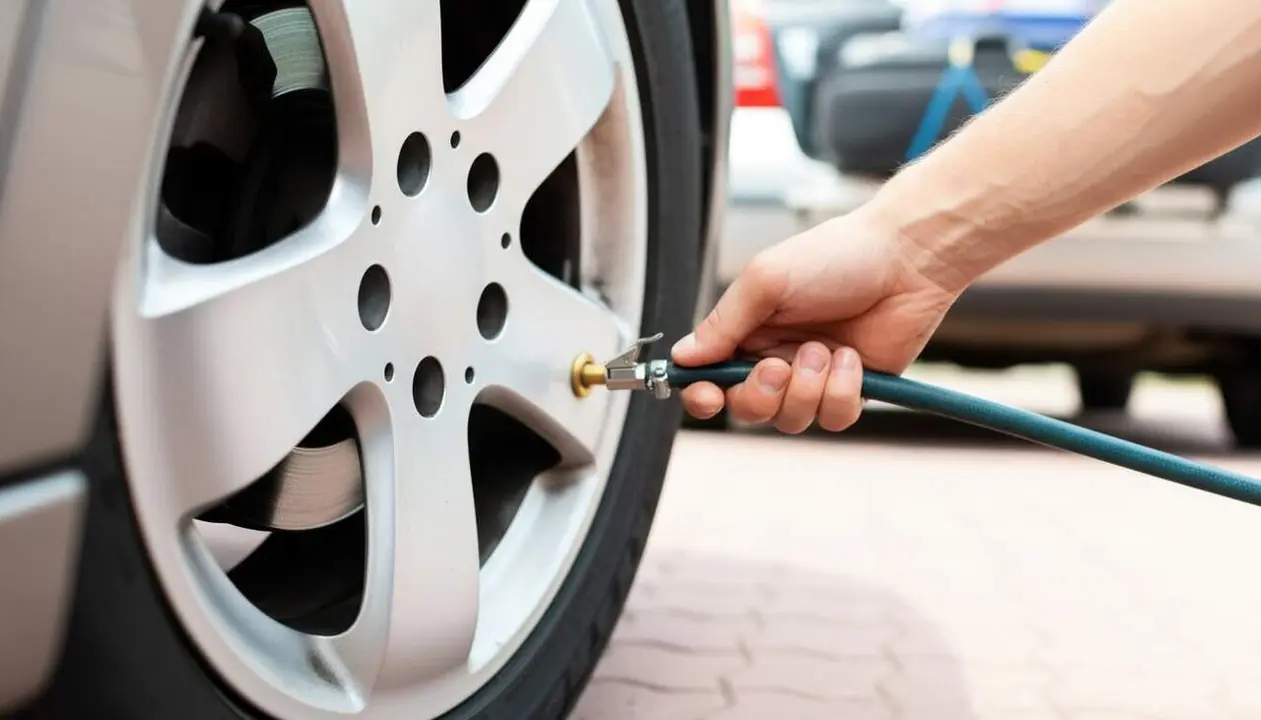

Car manufacturers recommend increasing tire pressure by 0.2 bars when the vehicle is loaded in the summer. This measure not only improves safety but also helps reduce fuel consumption during trips in hot weather with fully packed luggage.
Many drivers don't consider this, but the lack of knowledge about this detail is more common than it seems, even among novice drivers.
Why care about tire pressure in the summer?
How does pressure affect safety and fuel consumption?
When traveling in the summer with a loaded car, the load and heat directly affect the tire pressure. Manufacturers already calculate the optimal pressure taking general conditions into account, but the extra load and high temperatures destabilize this figure.
The recommendation that experts and brands agree on is clear: you should increase the pressure indicated on the vehicle’s label by 0.2 bars to ensure a safer drive and more economical fuel consumption. This prevents premature wear and makes the car respond better on the road.
What happens if we don’t adjust the pressure correctly?
Too low pressure with a loaded car can cause the tire to overheat, increase wear, and reduce grip capability. This raises the risk of incidents on the highway, especially in stretches like the AP-7 where heat and summer traffic are intense.
On the other hand, deflating a warm tire thinking the pressure is too high is a critical mistake. When it cools down, it will run with less pressure than recommended, making the trip more dangerous.
How to practically apply the manufacturers’ recommendation
Where to find the correct pressure for your car?
The recommended pressure is always found on the label on the driver’s door frame or in the vehicle manual. This figure is the starting point to adjust the pressure before leaving on vacation. Manufacturers calculate it for normal conditions, but the summer recommendation is to increase 0.2 bars if the car is loaded with luggage and passengers.
It is also vital to check the pressure of the spare tire, which is often forgotten but can be crucial in an emergency.
When and how should the pressure be measured?
Pressure should always be measured with cold tires, before starting the journey or after driving less than 3 km. High ambient temperatures can cause pressure to rise by 0.1 bars for every 10 °C.
Therefore, if you measure pressure after a long trip, the gauge may show a high value that is not really the optimal pressure. You should never let air out in these cases because when the tire cools, the pressure will dangerously drop.
How much should the pressure be increased if the vehicle is fully loaded?
What is the pressure for maximum load?
Manufacturers provide a table with specific pressures for each load situation. If the vehicle travels with the maximum authorized load, the recommended pressure may exceed the extra 0.2 bars. It is necessary to consult this table to ensure correct pressure and avoid risks.
What advantages does maintaining proper pressure bring?
Maintaining the recommended pressure according to the load not only guarantees better grip and stability but also reduces fuel consumption, a key factor on long summer trips. Lower tire wear also saves money and prevents incidents on the road.
| Aspect | Recommendation |
|---|---|
| Base pressure according to manufacturer | Check vehicle label |
| Pressure increase for summer and load | +0.2 bars over the base |
| Pressure measurement | With cold tires, before driving or after less than 3 km |
| Avoid deflating hot tires | Can cause insufficient pressure when cooled |
| Pressure for maximum load | Consult manufacturer’s specific table |
The reality is that a simple action like this can make the difference between a stressful trip or a calm and safe journey. Alfonso García 'Motorman’s advice is a small but great help for all summer drivers.
Therefore, when you pack your bags and get in the car, remember that tire pressure is not a minor detail but an element that can save you from trouble and help you save money on fuel. A simple gesture that costs nothing and can make the difference on the road.
Frequently Asked Questions
- What tire pressure should I set if the car is loaded in summer?
- You should increase the pressure by 0.2 bars compared to the manufacturer’s indicated pressure to ensure stability and savings in consumption.
- When is the best time to measure tire pressure?
- Pressure should be measured with cold tires, that is, before starting to drive or after less than 3 km of travel.
- What happens if I deflate a hot tire because it seems too high?
- It is a mistake because when it cools the pressure will drop too much and the tire will become underinflated, which can be dangerous.