4 surprising discoveries by Ryuta Kawashima about driving manual cars in 2026

Driving a car with a manual transmission activates a crucial brain area that automatics do not stimulate the same way. This is the promise made by Ryuta Kawashima, a Japanese professor and researcher worldwide known for his Brain Age.
But it is not just a matter of comfort or fuel consumption; the way of shifting gears also influences brain activity. While many limit themselves to comparing maintenance or efficiency, Kawashima has gone further and focused on the brain.
The neuroscientific discovery behind manual shifting
What exactly does Kawashima’s study reveal?
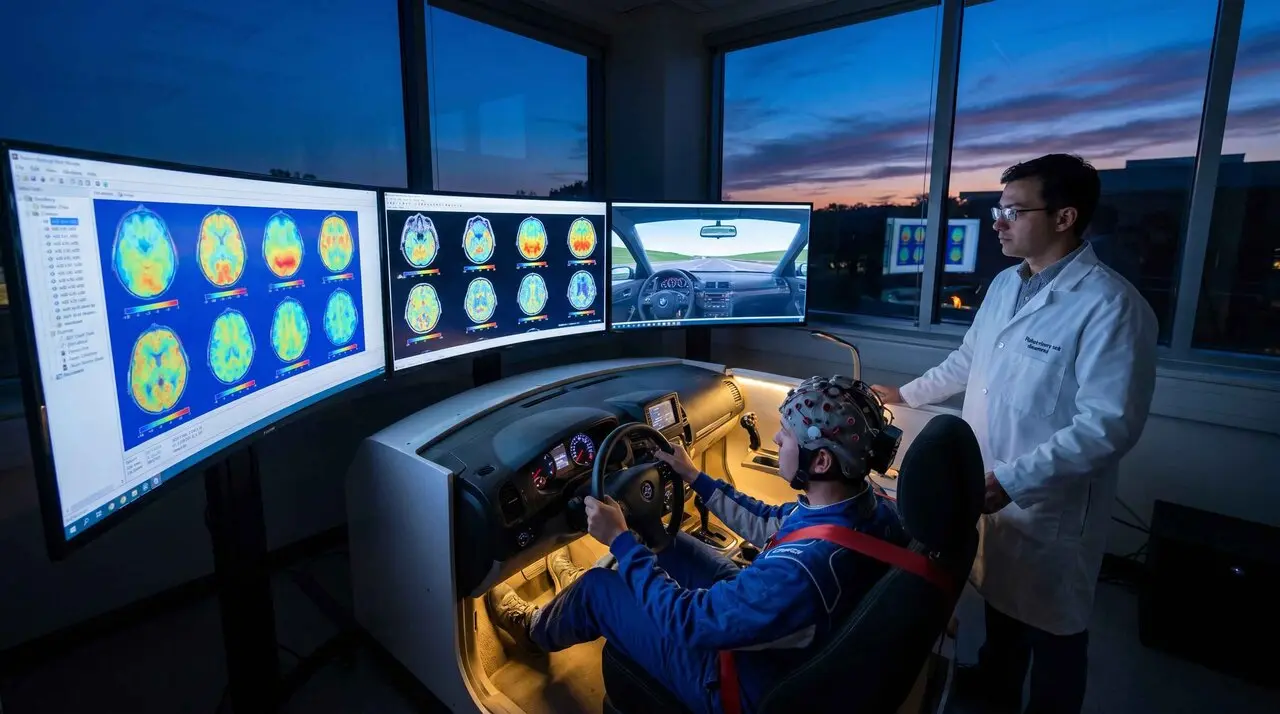
What interests the reader is the real impact on mental health. His study, published by Tohoku University, uses neuroimaging techniques to show how manual driving activates the prefrontal cortex, a key region for decision making and working memory.
Why does this activation matter in everyday life?
Activating the prefrontal cortex is no trivial matter: it means that driving a manual requires greater cognitive effort that helps maintain mental functions and quick thinking, especially important in a society where dementia is an increasing concern.
Practical benefits of driving with a manual transmission
How does it affect mental health maintenance?
Kawashima highlights that regularly driving a manual car contributes to preserving cognitive health. It is like doing brain gymnastics while controlling the clutch, gear shift, and accelerator simultaneously.
How does it differ from automatic driving?
Automatics ease the driver’s workload but lose the simultaneous stimulation that manual coordination demands. This means that besides comfort, a chance to keep brain activity in shape is lost.
Experience and attitude toward manual cars
Why is driving manual "fun" according to Kawashima?
The enjoyment comes from having full control over the gear and feeling that your body is active, not just your eyes. This physical and mental involvement enhances the driving experience and prevents the disinterest that an automatic can generate.
What challenges does it face in current traffic?
It is true that in heavy traffic manual shifting can be a headache, but this inconvenience also means the driver remains continuously alert, which helps keep the brain active and prevents cognitive aging.
| Key aspects | Manual driving | Automatic driving |
|---|---|---|
| Brain activation | High (active prefrontal cortex) | Low |
| Vehicle control | Complete and active | Passive |
| Impact on cognitive health | Beneficial | Less stimulating |
| Comfort in heavy traffic | Can be bothersome | High |
The reality is that Ryuta Kawashima reminds us that driving a manual car is much more than shifting gears; it is exercising the brain and keeping it alive. This discovery opens a new perspective that may make many reconsider their way of driving.
Frequently asked questions
- How does manual shifting activate the prefrontal cortex?
- Manual shifting requires coordinating the clutch, gears, and accelerator, activating the brain area responsible for decision making and executive control.
- Why is it better for cognitive health than an automatic?
- Because it forces constant decisions and manual adjustments, keeping the brain alert and stimulating cognitive function.
- Can driving manual prevent dementia?
- According to the study, keeping the brain active with activities like manual shifting helps delay cognitive decline associated with dementia.