2 hybrid SUVs for under €24,000: Ebro S400 vs Omoda 5, which one converts you more?
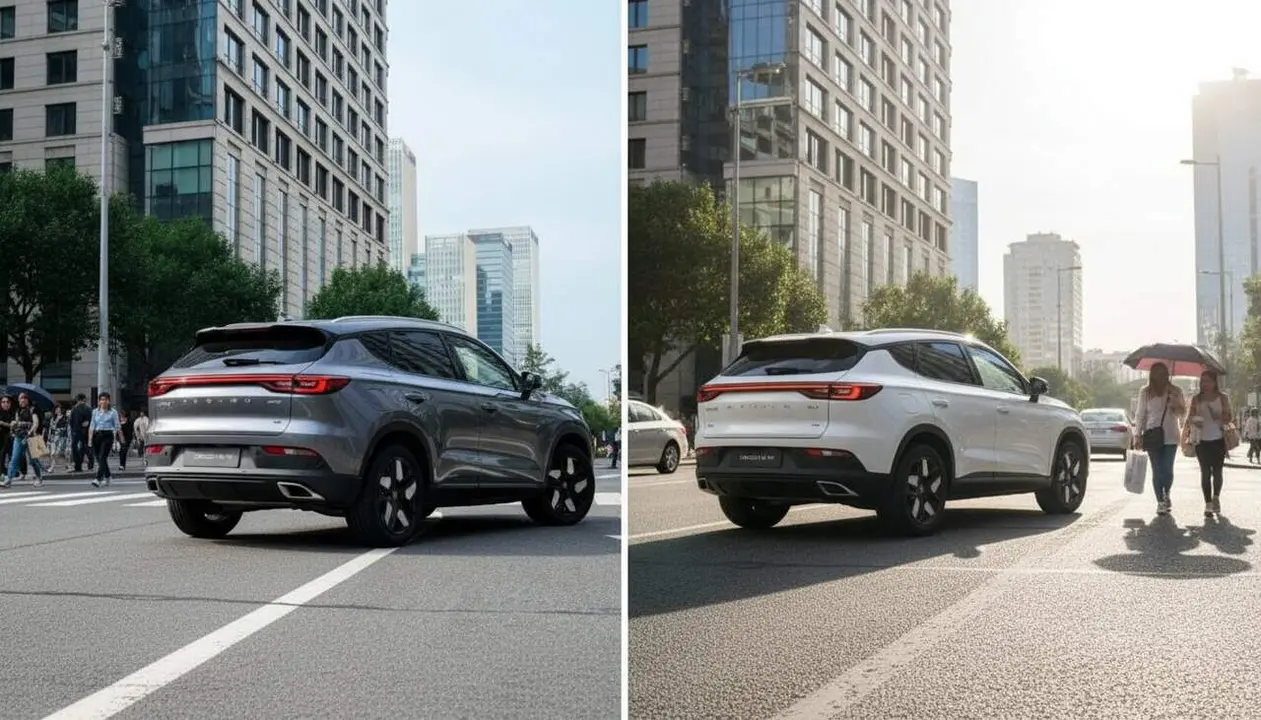

The Ebro S400 and the Omoda 5 match consumption and label, but the choice ends up being decided by price, trunk space, and technology. Source: EL MOTOR, text by Alfredo Rueda.
In this head-to-head, we will see what changes when you open the tailgate, when you look at the financing quota, and when you merge quickly onto the highway. All from a practical perspective: consumption, performance, and real use.
Practical differences and value for the buyer
Why does this matter to the average buyer?
If you have a tight budget or need space for a family, the decision will not be a matter of cold specifications. The monthly payment, the trunk, and ease of city use matter. This determines the real cost and daily experience.
Which is worth more according to the budget?
Short answer: the Ebro S400 is usually more competitive for entry price and trunk capacity; the Omoda offers more technology. The difference can reach about €4,000 depending on the campaign and payment method.
Note: these figures correspond to campaigns linked to financing; the final credit cost can change the decision.
Real performance and consumption
How do the horses translate to driving?
Quick answer: 211 HP of the Ebro and 224 HP of the Omoda are mainly noticeable in initial acceleration; the Omoda reaches 100 km/h sooner and is more agile when merging.
In real conditions this means: the Omoda 5 SHS‑H accelerates from 0 to 100 km/h in 7.9 s, the Ebro S400 does it in 8.7 s. They are not sporty, but offer enough margin for overtaking and recoveries without straining the engine.
How do they behave in the city and on the highway?
Both take advantage of the hybrid system to minimize urban consumption: the battery recovers energy during braking and often allows for short electric mode driving. On the road, weight and final gearing come into play: the Omoda, more powerful, may consume slightly more under sustained demand; the Ebro seeks efficiency and simplicity.
In summary: in the city they are very similar; on the highway the Omoda conveys a livelier feeling when accelerating, while the Ebro prioritizes simplicity.
Equipment, space, and presentation
Why does the trunk and interior environment matter?
Short answer: 70 liters can decide a purchase for families with strollers or frequent trips: the Ebro announces 430 l and the Omoda 360 l.
In practice this means more versatility for the Ebro when loading bags, luggage, or child accessories; the Omoda compensates with a flashier, more technological interior.
Assistants and quality perception
The Omoda bets on a double 12.3" curved screen and options like a 540º panoramic camera, ventilated seats, and a Sony system depending on trim. The Ebro also features two 12.3" screens and a more pragmatic approach: generous equipment from the base without seeking spectacular effects.
The interior presentation shapes quality perception and will justify, for many, the price difference despite the official consumption being the same.
| Spec | Ebro S400 HEV | Omoda 5 SHS‑H |
|---|---|---|
| Power | 211 HP | 224 HP |
| 0–100 km/h | 8.7 s | 7.9 s |
| Official combined consumption | 5.3 l/100 km | 5.3 l/100 km |
| Trunk | 430 l | 360 l |
| Length | 4.42 m | 4.32 m |
| Entry price (promo) | €19,990 (with financing) / €23,480 cash | €23,990 (promotion with financing) |
- Ebro S400 pros: lower entry price, larger trunk, practical approach, and reasonable equipment.
- Ebro S400 cons: less spectacular interior and slightly softer acceleration.
- Omoda 5 pros: technological interior, better acceleration, more premium image.
- Omoda 5 cons: smaller trunk, higher entry price depending on conditions.
Usage analysis: who should choose each model?
If the key factor is the monthly payment or the need for daily space (stroller, suitcases), the Ebro is often the more reasonable choice. If you value a more modern interior image, grouped driving assistance technologies, and slight superiority in performance, the Omoda is the right option.
An emotional detail: the Ebro highlights ties with the Barcelona Free Zone, an element that may influence buyers sensitive to industrial proximity.
Market verdict: the Ebro S400 is the most sensible proposal for those who prioritize price and capacity; the Omoda 5 seduces those who prefer technology and a slightly more dynamic drive.
But don’t forget: the final decision will not be made at the gas station. It will be made by comparing payments, opening trunks, and testing screens. It’s the details that break the apparent tie.
The reality is that both models challenge established brands by offering an ECO label, an official consumption of 5.3 l/100 km, and practical performance. Choose according to use and budget.
Frequently Asked Questions
- What environmental label do the Ebro S400 and Omoda 5 have?
- Both models obtain the ECO label from the DGT thanks to their hybrid system; this implies advantages during pollution episodes and in regulated zones.
- Which consumes less fuel in practice?
- The official figure is 5.3 l/100 km for both; real consumption may vary depending on driving style and type of route (urban vs freeway).
- What is the difference in trunk space between them?
- The Ebro announces 430 l capacity and the Omoda 360 l, a 70-liter difference that can be decisive for families.