About 500 Teachers stage a protest in Tarragona: they try to block the A-27 and the A-7
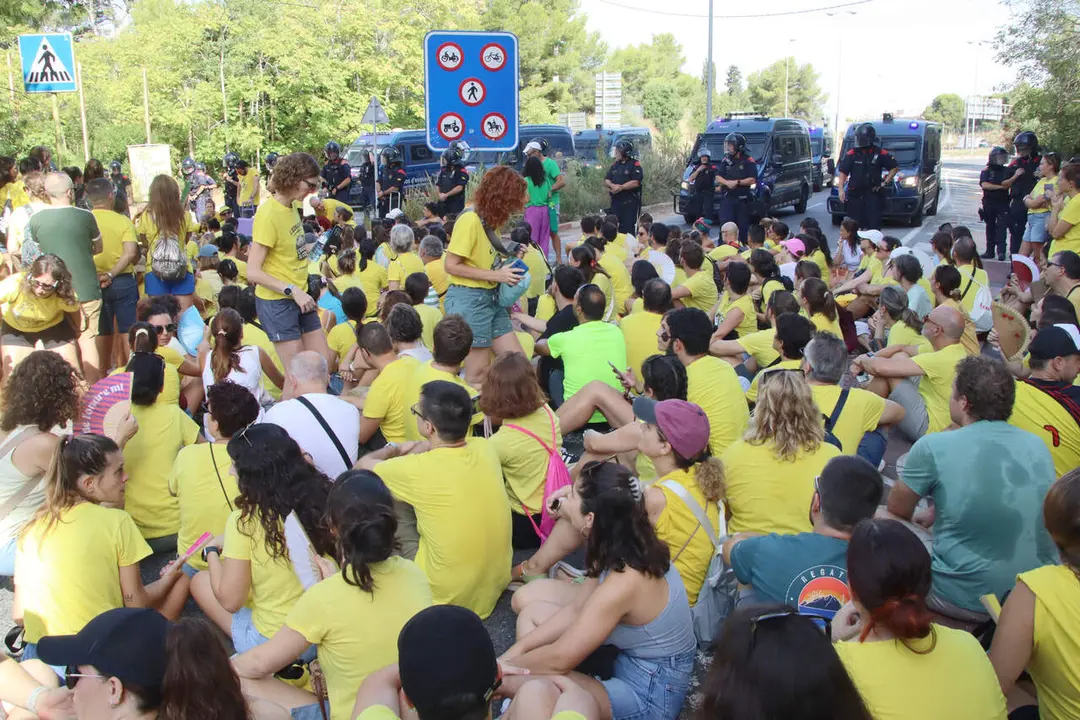

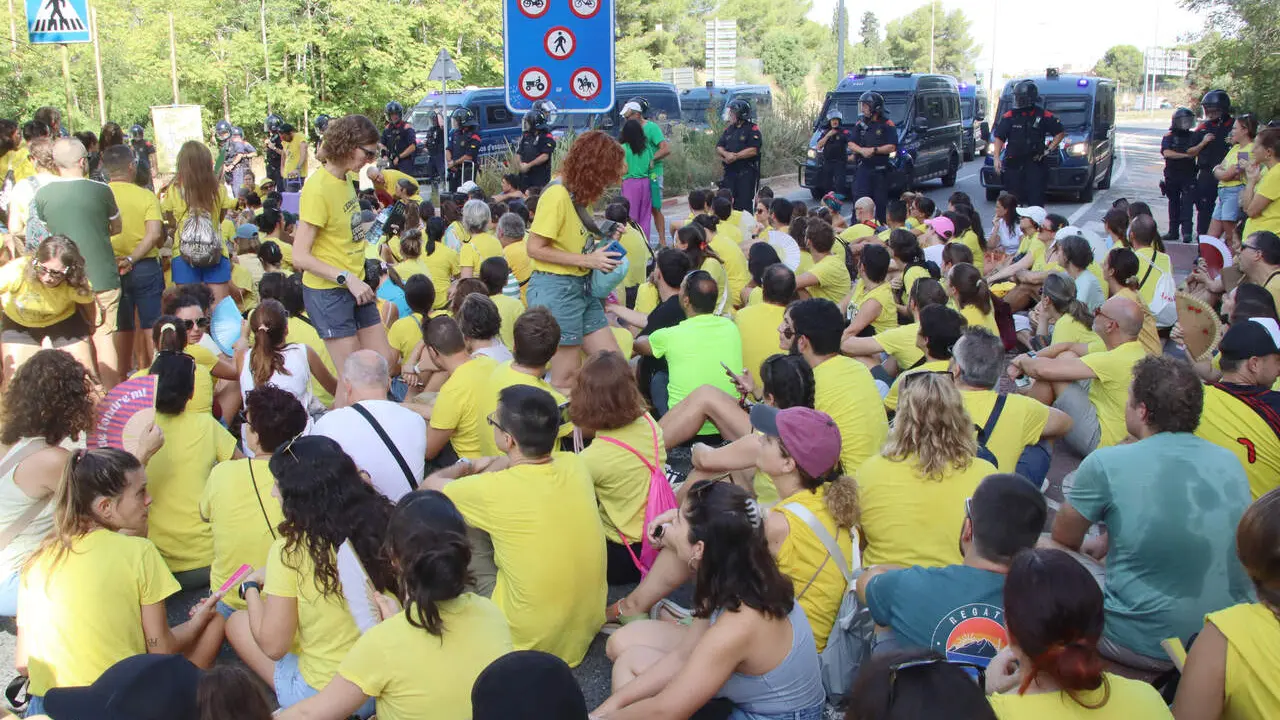
About 500 teachers protest in Tarragona on the first day of the school year, but the Mossos d’Esquadra prevent them from blocking the A-27 and A-7. The mobilization starts at the Francolí industrial park and ends with an assembly in front of the police cordon.
The image is not of a static protest: around seventy teachers try to reach the A-27, the group changes its route, blocks the N-340, and joins more colleagues at the Imperial Tarraco square. After 10 a.m., the next attempt to block a highway is also stopped.
A protest with a route through Tarragona
How does the mobilization start at the Francolí industrial park?
For residents moving around Tarragona early in the morning, the key point is the Francolí industrial park: the gathering begins at 7:30 a.m., coinciding with the start of the school year. Around seventy teachers try to block the A-27, but the police presence makes them give up.
The group then chooses to block the N-340 and advance to the Imperial Tarraco square. There, a few hundred colleagues waiting for the mobilization join them. The route turns an educational protest into a visible presence at the main city access points.
The fact helps to understand the scene: it is not only a gathering in front of an administrative building. The teachers want to bring the protest to the roads, a decision that forces the Mossos to deploy agents to prevent the blockades.
What happens at the A-7 access?
After 10 a.m., all the demonstrators head to the A-7 access intending to block it. The police block the way again and the mobilization stops at the police cordon.
The protest ends with an assembly and shouts of "We are teachers, not delinquents". The phrase, as reported by the agency, sums up the clash between the collective’s approach and the police deployment: the teachers want to apply pressure on the streets and the agents prioritize keeping the main roads open.
For anyone who has to cross Tarragona in the morning, the affected points are specific: the Francolí industrial park, the N-340, the Imperial Tarraco square, and the A-7 access. No vague headline map is needed. Here are the places.
Why are the teachers protesting?
What shortcomings do they continue to denounce?
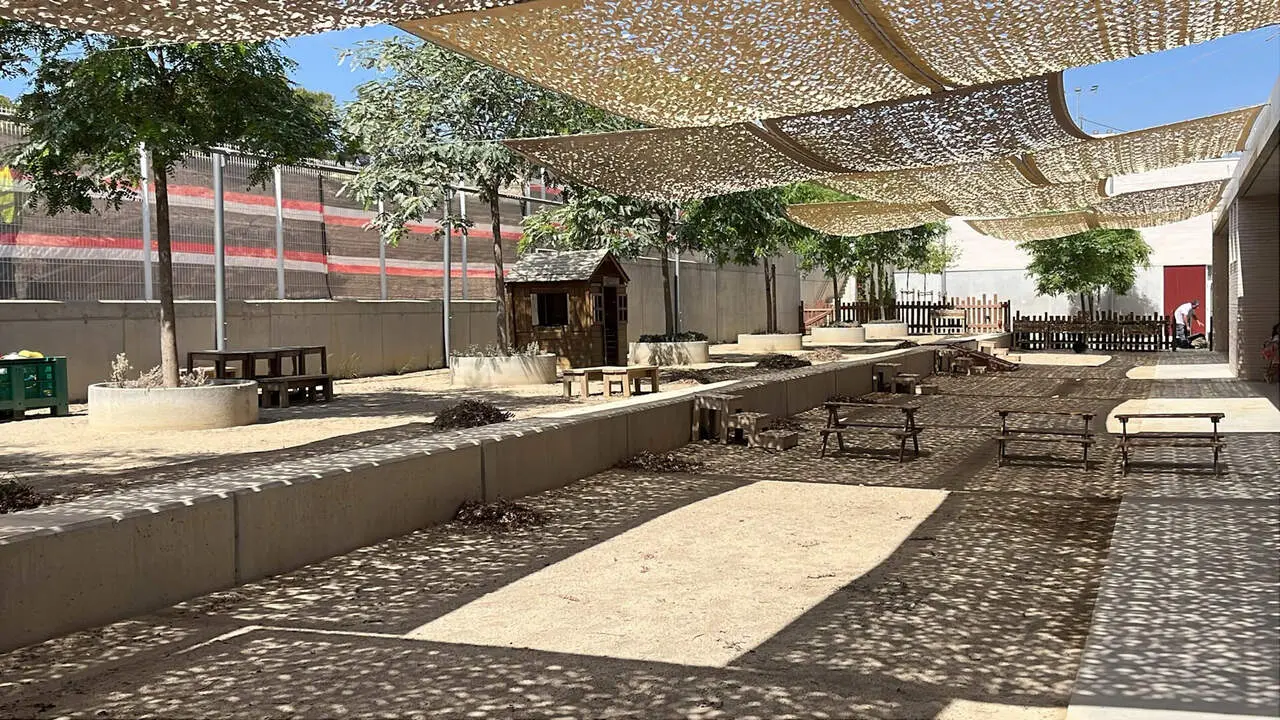
This protest matters to families because the demands are located inside classrooms: infrastructure, modular classrooms, air conditioning, ratios, and resources for inclusive education. The spokesperson for the Teachers’ Assembly of the Camp de Tarragona, Manel Nicolás, states that the shortcomings remain the same as months ago.
Nicolás focuses on secondary education. According to him, some centers start with 30 students per classroom and may reach 35 by Christmas due to ongoing enrollment, while the legal maximum is 33. The reduction in ratios demanded by the collective, he says, has not occurred.
The number is the hardest part to ignore: starting with 30 students, potentially reaching 35, and having a legal maximum of 33. It is not an abstract discussion about education; it is a difference that can be felt in the daily organization of a group.
- Infrastructure: teachers demand improvements in the centers.
- Modular classrooms and air conditioning: are two of the shortcomings cited by the Assembly.
- Ratios: the collective denounces that the reduction has not materialized.
- Inclusive education: the COS union demands more resources.
What does the COS union demand?
Ariadna Calvet, from the COS union, demands a reduction of ratios and more resources for inclusive education. She also criticizes that during the summer the minister Niubó did not put any proposal on the table for debate.
Her position is direct: if there is no proposal to discuss, there can be no agreement. Calvet asks that the entire strike committee be called to the meetings so that any agreements are inclusive and real.
Here appears a second conflict, beyond the road blockades. The teachers not only demand material changes in classrooms; they also question the manner in which talks are convened and who participates. The table, before the headline.
Less attendance, same pressure on the streets
Why are there fewer demonstrators than at the end of the school year?
The gathering is less numerous than the mobilizations held at the end of last school year. Manel Nicolás attributes this to the responsibility of the collective: on the first day of school, many teachers preferred to go to school to meet the new students and welcome them.
For the reader, this fact changes the reading of the protest. The lower attendance is not presented by the spokesperson as a loss of support, but as the result of prioritizing students’ arrival at the centers. Still, the Assembly considers that the strike had to start on September 8 to remind that things must improve.
The mobilization, therefore, combines two clashing obligations: being at the educational center to receive the students and going out to the streets to denounce working conditions. The calendar does the rest. First day of school, first protest, and no margin to disguise tensions.
What do they denounce about police action?
Manel Nicolás states that on Tuesday they perceived a change in police strategy, with a higher presence of agents blocking access to the main communication routes. His assessment contrasts this day’s deployment with that of last year.
According to the spokesperson, then infiltration and treatment of demonstrators as a threat to the country were prioritized. Now, he says, there are anti-riot vans. Nicolás considers that this is not the way to treat teachers and demands a negotiation table.
The collective’s response is to maintain pressure. Nicolás assures they will not give in and claims the responsibility they have towards students and public services. Simply put: the protest does not end because the police cordon has prevented the blockades.
The Tarragona sequence leaves three very specific elements:
- The mobilization gathers about 500 teachers and starts at the Francolí industrial park at 7:30 a.m.
- The Mossos prevent attempts to block the A-27 and A-7, while demonstrators go through the N-340 and the Imperial Tarraco square.
- The demands focus on ratios, infrastructure, air conditioning, modular classrooms, and resources for inclusive education.
The reality is that the first day of school in Tarragona begins with open classrooms and a protest on the street. The teachers do not manage to block the two roads they wanted to block, but they do bring demands on ratios, modular classrooms, air conditioning, and inclusive education to public attention. The battle, for now, ends in an assembly; the disagreement awaits negotiation.
Frequently Asked Questions
- How many teachers are demonstrating in Tarragona?
- About 500 teachers participate in the mobilization on the first day of school. The gathering starts at the Francolí industrial park at 7:30 a.m.
- Which roads do they try to block?
- The demonstrators try to block the A-27 and A-7, but the Mossos d’Esquadra prevent them from reaching them. Before, the group blocks the N-340.
- Where does the protest end?
- The mobilization ends with an assembly in front of the police cordon, at the A-7 access, after the police blocked their way.
- What are the main demands?
- The teachers demand improvements in infrastructure, modular classrooms, air conditioning, ratios, and more resources for inclusive education.
Article source: Eloi Tost / Arnau Martínez / Catalan News Agency