University presses promote digital innovation at the Vives Forum

University presses have put on the table the need to transform the sector with technology and digital collaboration. The challenge is clear: managing scientific production and the presence of languages with more strategic and effective criteria.
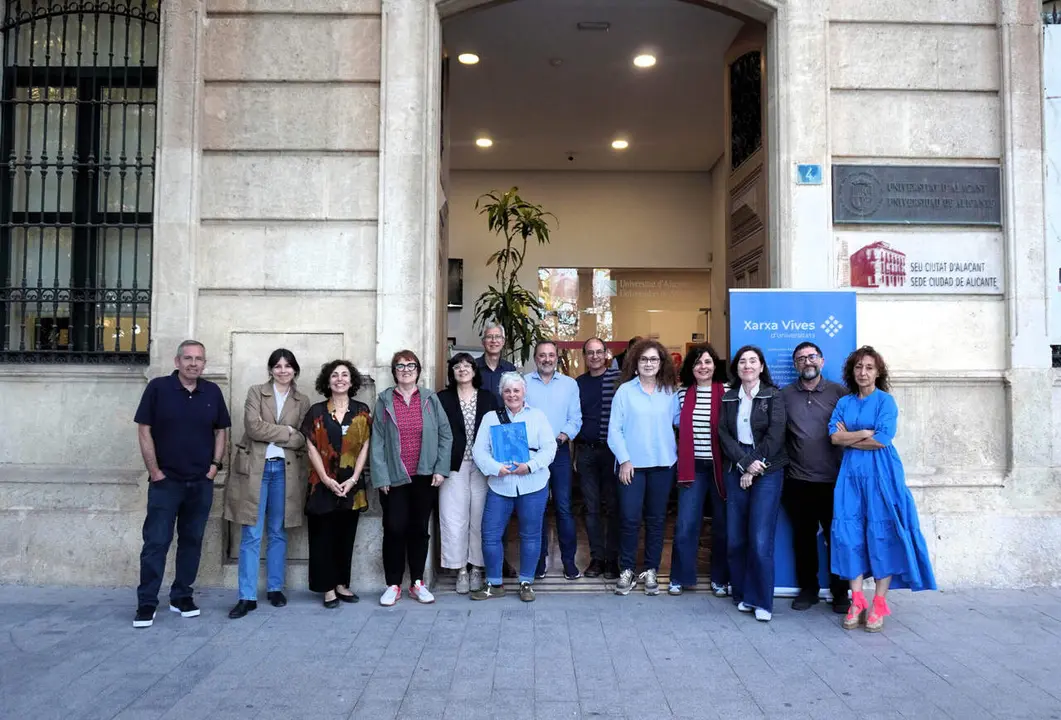
The II Meeting of the Forum Vives of University Publishing, held at the University of Alicante, brought together editorial managers and experts to debate the future of an increasingly digital and internationalized ecosystem.
A key tool to measure impact and linguistic presence
Data analysis as a strategic basis
URV Publications presented an analysis tool that allows measuring scientific impact and mapping the presence of languages in academic journals, available on its OJS journals website. This initiative is a step forward in defining editorial strategies that consider both quality and linguistic diversity.
Having reliable indicators is essential to evaluate research and promote Catalan in the academic field. The proposal reinforces the need for a more coordinated publishing system adapted to growing internationalization.
Training as a tool to master new methodologies
The meeting included training sessions on statistics and language in OJS journals, led by Jaume Llambrich and Marcos Ferreira. They taught how to interpret data to improve editorial decision-making, an indispensable added value for universities that want to stand out in the digital field.
This learning helps visualize the reality of the sector and incorporate digital technologies in editorial management.
Automation and intelligence to transform university presses
The digital revolution in editorial processes
Another focus of debate was the automation of editorial processes with artificial intelligence, a reality that is beginning to take hold strongly. Antonio Ríos, Fran Máñez, and other experts revealed how these technologies can streamline management and increase efficiency, especially in OJS journals.
These tools allow reducing the technical burden and focusing on scientific and linguistic quality. It is a leap that not everyone is ready to make, but that is already inevitable.
The role of professionals and collaboration
Despite the technology, human intervention remains key. The final roundtable emphasized the necessity of cooperation among university presses to face the changes.
People like Montse Ayats, Maria Remedios Pérez, and others reflected on how to maintain a rigorous and sensitive editorial model to diversity while responding to the demands of a global environment.
The Forum Vives, driver of consolidation and innovation
An established space for exchange
The Forum Vives of University Publishing confirms its vocation as the space where universities can share experiences and advance together. The meeting reinforced the commitment to a strategic, innovative, and diverse editorial model.
Strengthening communication and cooperation is key to maintaining own presses that project research without giving up language or quality.
A commitment to dissemination and own identity
University presses position themselves as essential actors in the dissemination of knowledge. With initiatives like this, a publishing system capable of competing globally is consolidated, maintaining Catalan as a scientific and cultural language.
This dual objective is not easy, but cooperation and digital innovation are the way to make it possible.
The reality is that university presses can no longer afford to fall behind: they either evolve with technology and collaboration, or they get lost in the digital vastness.
Source of the article: Universitat Rovira i Virgili