630 participants in Tarragona analyze the major challenges of contemporary feminisms
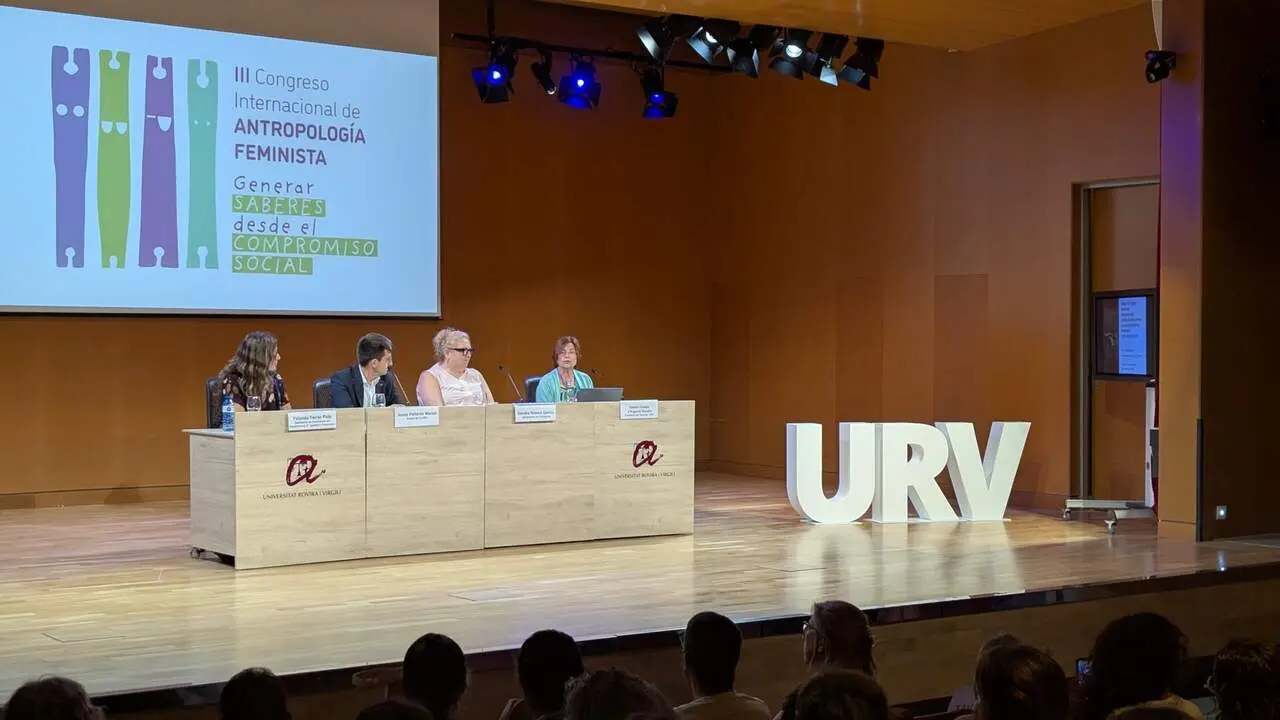

630 people participate in the III International Congress of Feminist Anthropology in Tarragona to debate the key challenges of current feminisms. This event brings together activists, academics, and researchers who put urgent and controversial issues on the table.
Amid a social context where feminism faces pressures from antifeminist discourses to new forms of neomachismo, the gathering serves to explore possible responses and strategies. Tarragona becomes the epicenter of an ambitiously global reflection, but with local consequences.
A congress with its own voice and a critical outlook
What makes this congress relevant for the people of Tarragona?
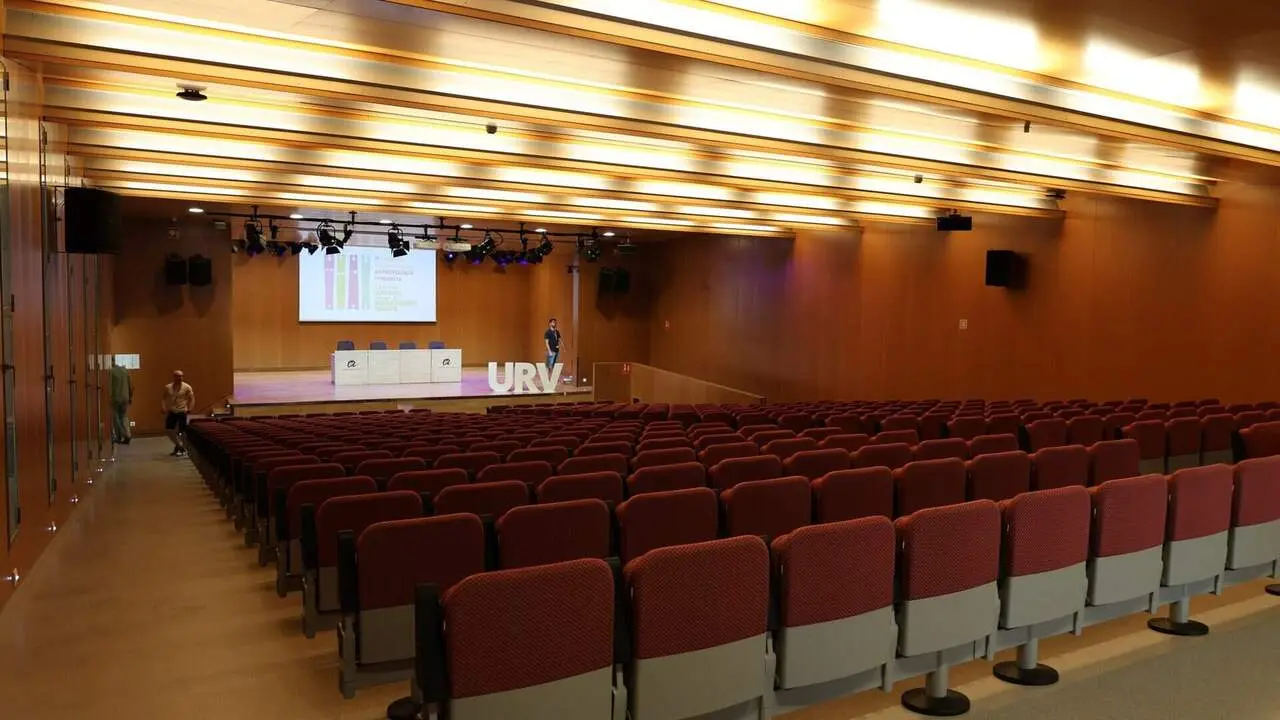
That an event with 630 participants occupies the Catalunya campus is no coincidence. This concentration of experts and activists offers the public the opportunity to see up close how feminist responses are built to issues very present in local society: labor inequalities, sexist violence, and the care crisis are just some examples.
What key topics are analyzed during the congress?
The 39 symposia and more than 500 communications address everything from the manosphere and gentrification to LGTBI+ policies and feminist memories. This range reflects the complexity and transversality of feminism today, which not only questions gender relations but also incorporates dimensions of class, race, origin, and age.
From academia to activism: an essential alliance
Why is the combination of academia and activism key in this context?
Dolors Comas d’Argemir, president of the congress, makes it clear: scientific evidence is the tool that allows activism to be transformed into effective public policies. Without this foundation, feminism loses strength and capacity for real impact. But moreover, the connection between theory and practice is what makes advances sustainable and able to withstand the constant attack of neomachismo.
How is this relationship expressed during the congress?
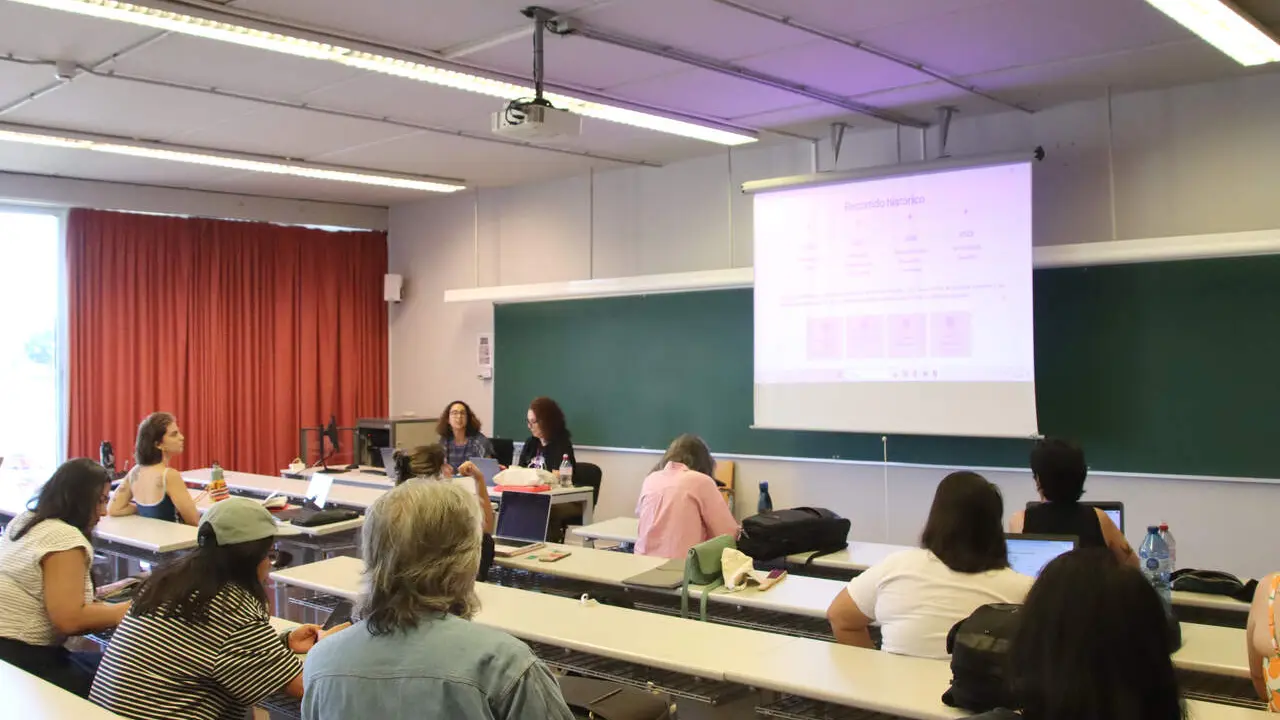
In addition to theoretical sessions, parallel activities such as book presentations and activist spaces are scheduled, which translate reflections into concrete actions. Thus, the congress is not only an expert debate but a living space where collective construction and resistance take place.
The great contemporary challenges from a feminist perspective
What are the most urgent challenges identified?
The inaugural lecture by Mara Viveros Vigoya highlighted the need to approach feminism from an intersectional perspective and alliances with other social movements. Climate change, the defense of territories, and the fight against discrimination join in to prevent feminism from becoming fragmented and an isolated discourse.
How does the presence of neomachismo and the extreme right affect things?
The organizer Dolors Comas warned that every advance in rights generates new and aggressive resistances. This neomachismo manifests with renewed languages and strategies that seek to roll back feminist achievements, which forces the maintenance of mobilization and the constant renewal of discourse and action.
| Aspect | Detail |
|---|---|
| Participants | 630 researchers, activists, and academics |
| Duration | 3 days until July 3 |
| Sessions | 39 symposia and more than 500 communications |
| Highlighted topics | Neomachismo, care, inequalities, intersectionality, feminist memories |
The local dimension of a debate that is global emphasizes the need for Tarragona and its society to be attentive to how these fronts move, which affect the daily life of many people. And furthermore, they urge us to create a more just future sensitive to diverse forms of oppression.
The gathering in Tarragona is not only a congress, but a call to action and a deep reflection on how contemporary feminisms can transform society.
Source of the article: Rovira i Virgili University