500 Teachers protest in Tarragona: police secure the A-27 and the A-7
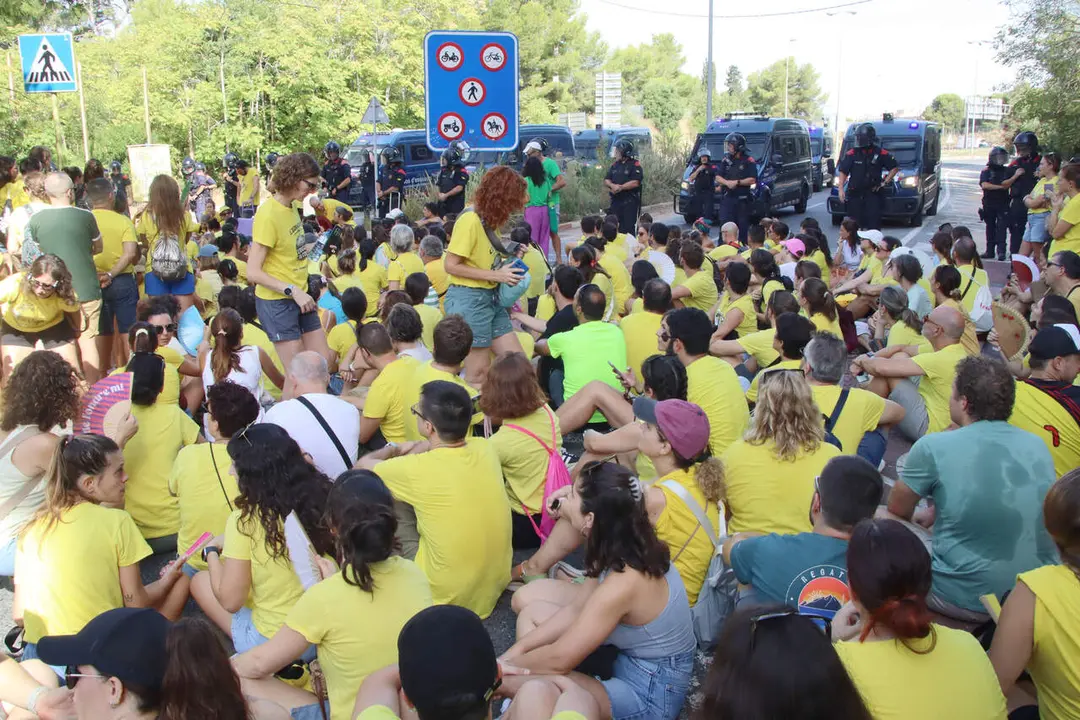

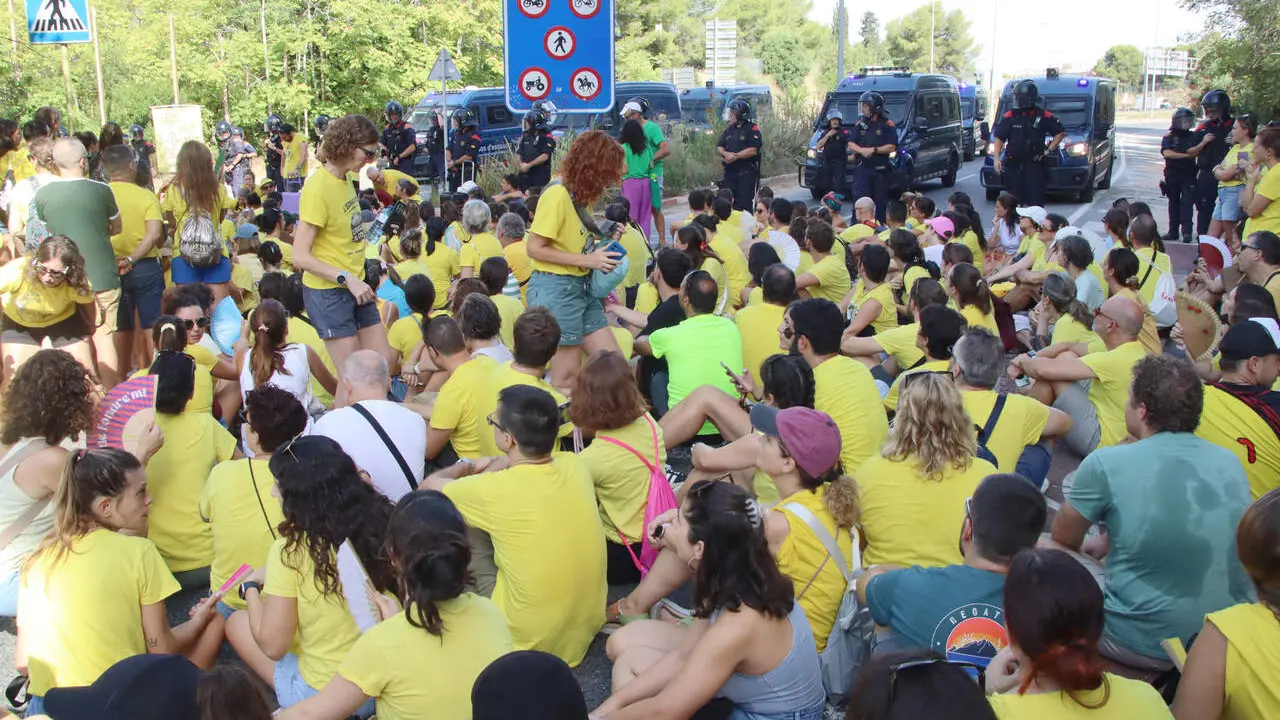
The police have prevented teachers from blocking the A-27 and A-7 in Tarragona. About 500 education professionals started the protest at the Francolí industrial estate and ended up holding an assembly in front of the police cordon.
The mobilization began at 7:30 a.m., just as many schools opened their doors to receive students. The route passed through the N-340 and Imperial Tarraco Square, with a very specific demand: fewer students per classroom, more resources, and better conditions in the centers.
A protest with two highways in the spotlight
Why did the mobilization affect the entrances and exits of Tarragona?
For drivers in Tarragona, the key point is clear: the demonstrators tried to reach two main communication routes, the A-27 and the A-7, but the Mossos d’Esquadra blocked their way. The protest was not limited to a static gathering in front of an official building.
The first attempt took place shortly after the mobilization began. About seventy teachers tried to block the A-27 from the Francolí industrial estate, but the police presence made them give up. Afterwards, the group occupied the N-340 and advanced to Imperial Tarraco Square.
There, a few hundred colleagues who were waiting for them joined in. Shortly after 10 a.m., they all headed towards the A-7 access, with the same intention: to interrupt traffic. However, the police once again prevented them from passing.
How did the gathering end?
The teachers held an assembly in front of the police cordon. At that point, they shouted “we are teachers, not delinquents,” a slogan that concentrated the collective’s discontent with the operation deployed on the main roads.
Manel Nicolás, spokesperson for the Camp de Tarragona Teachers’ Assembly, spoke of a “change in police strategy,” with a greater presence of officers and riot vans. According to the spokesperson, last year infiltration was prioritized, while this time the agents directly blocked the demonstrators’ passage.
The union’s interpretation is that the police response was more visible than in other mobilizations. Nicolás stated that teachers are not “a threat to the country,” but a guarantee of public services, and demanded a negotiation table instead of this treatment.
The first day of school marks the number of participants
Why were fewer teachers present than at the end of last school year?
The gathering brought together about 500 teachers, a number lower than the protests held at the end of last school year. For readers with school-age children, the reason has a direct translation: many teachers prioritized being at their centers to meet new students and prepare the welcome.
Nicolás attributed this lower participation to the “responsibility” of the group. The first day of school is not just any day for a school: there are new groups, families needing guidance, and teams that have to launch teaching activities from the first hour.
Still, the spokesperson defended that it was necessary to start September 8 with a strike and a protest. The objective, he explained, was to remind that the deficiencies denounced remain unchanged. The school year begins; the problems, too.
What demands are on the table?
The claims focus on three areas that affect the daily life of centers in the Camp de Tarragona: infrastructure, lowering student-teacher ratios, and resources for inclusive schooling.
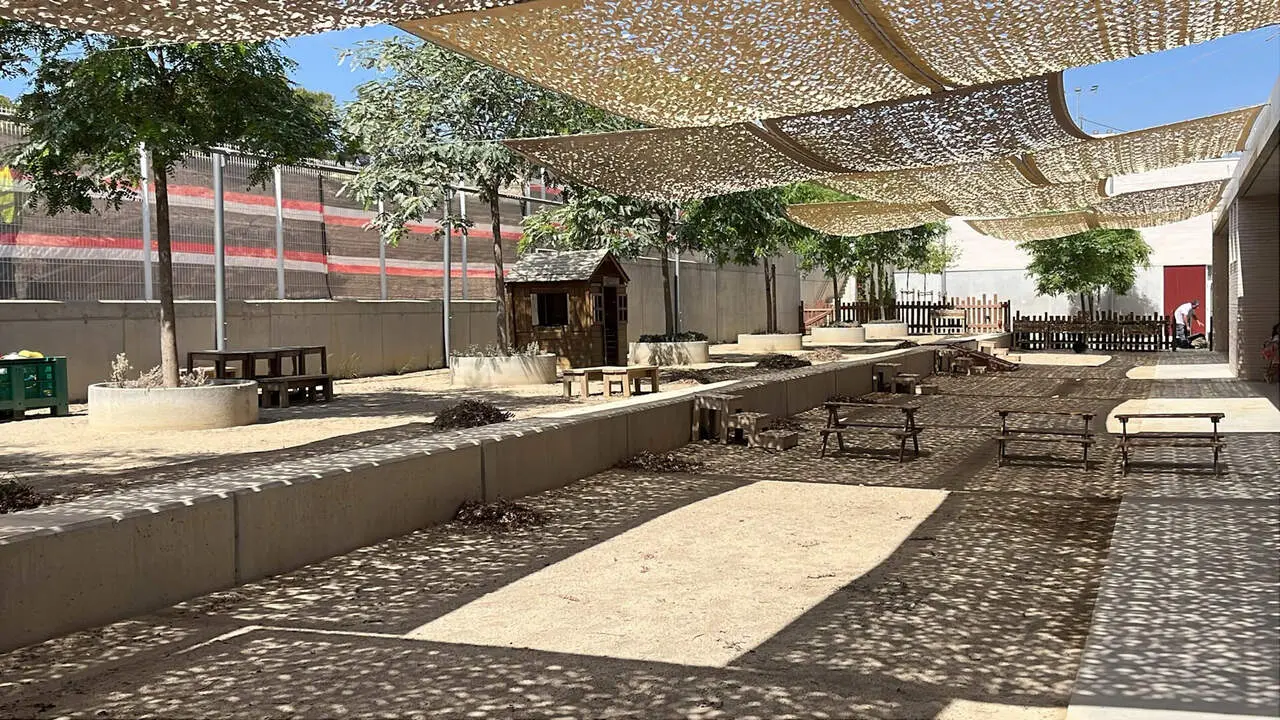
- Infrastructure: the teachers denounce the continuation of temporary classrooms and climate control problems.
- Ratios: they demand fewer students per classroom, especially in secondary school groups.
- Inclusive schooling: the COS union asks for more resources to support students with diverse needs.
The issue of ratios has a specific figure. Nicolás explained that there are secondary groups starting with 30 students and that, with ongoing enrollment, they can reach 35 by Christmas, although the legal maximum is 33.
This difference is not just a paperwork dispute. It means more students in the same classroom and less margin to attend to them individually. It is the kind of problem that becomes noticeable as the school year progresses, but which teachers say can already be foreseen from day one.
No agreement on ratios and resources
What does the COS union criticize?
For families and schools, the lack of agreement affects the measures that should reach classrooms. Ariadna Calvet, from the COS union, stated that during the summer, Minister Niubó did not put any proposals on the table for discussion.
The union member linked this absence of proposals to the impossibility of reaching an agreement. She also demanded that the entire strike committee be called to the meetings so that any potential agreements are “inclusive and real.”
The disagreement, therefore, is not only about the number of teachers on the street. It also revolves around who participates in the conversations and whether decisions can respond to the needs of different centers and professionals.
What will happen with the mobilizations?
Manel Nicolás assured that the group will not “give up.” The phrase points to continued pressure to achieve real change in classrooms, even though the first day of school protest was smaller than previous ones.
The spokesperson emphasized that teachers have a responsibility to students and public services. This is the tension that the day in Tarragona leaves: protesting insufficient conditions without failing to guarantee the start of the school year in the centers.
The mobilization ended without blocking either the A-27 or the A-7, but it put the demands at the center of Tarragona’s news: lower ratios, more inclusive resources, and better infrastructure. The first day of school left a very clear image, that of teachers gathered in front of the police, and an open question: how long can each school year start with the same shortcomings?
Frequently Asked Questions
- How many teachers protested in Tarragona?
- About 500 teachers participated in the mobilization on the first day of school. The gathering began at the Francolí industrial estate at 7:30 a.m.
- Which roads did the protesters try to block?
- The teachers tried to block the A-27 and A-7, but the Mossos d'Esquadra prevented access. Earlier, the group blocked the N-340.
- What are the teachers demanding?
- They demand improvements in infrastructure, a reduction in ratios, and more resources for inclusive education. They also ask for a negotiation table with the strike committee convened.
Source of the article: Eloi Tost / Arnau Martínez / Agència Catalana de Notícies