El Perelló goes from 54 to 8 windmills and produces 79% more: how is that possible?
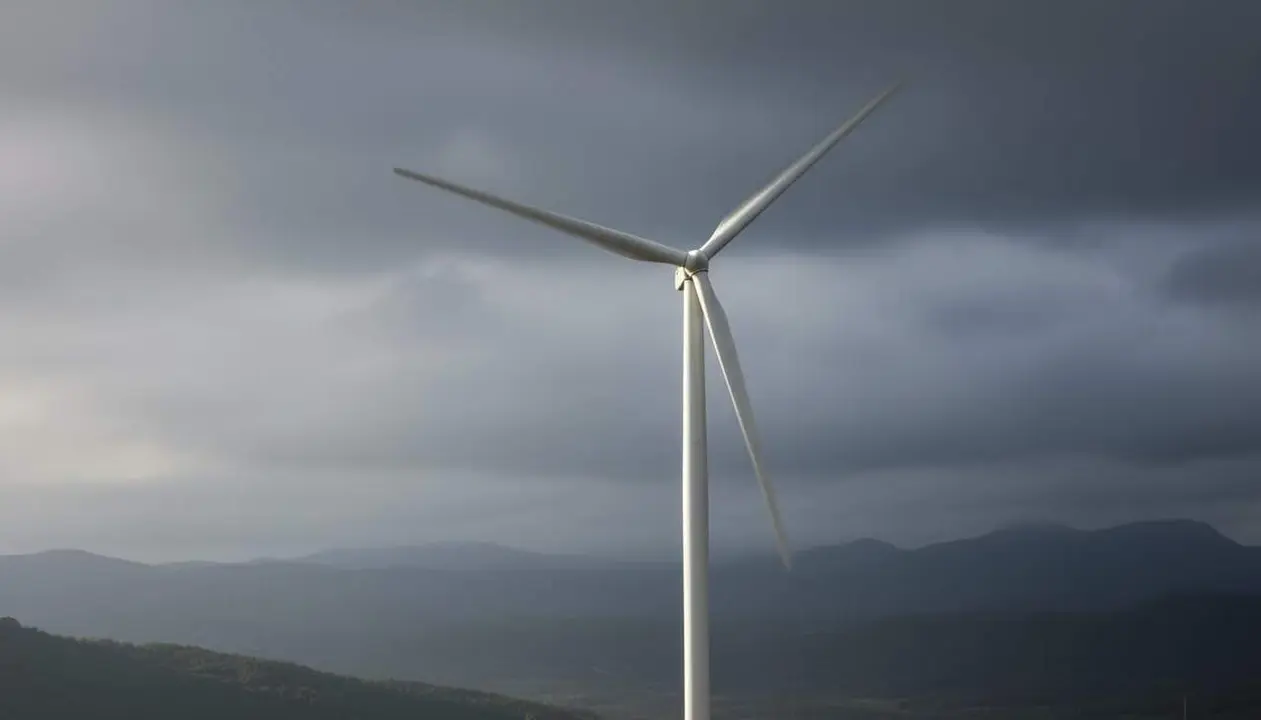

In Perelló, the les Colladetes wind farm has radically changed its operation: from 54 wind turbines to only 8, but with a power increase of 79%. How is it possible that fewer mills produce much more? The answer lies in technology and a more efficient renovation strategy.
The Catalan Government is also preparing a renewal of the country’s wind farms, aiming to increase total production while reducing environmental and visual impact. This combination looks promising and opens the door to a more sustainable future.
Repowering of the les Colladetes wind farm
From 54 to 8 mills: the concrete change
Les Colladetes, located in Perelló (Baix Ebre), has undergone the first repowering of a wind farm in Catalonia. It used to have 54 wind turbines, now it only has 8. But this is not a setback, rather a qualitative leap: the old mills have been replaced by 6 larger and more powerful ones, and 2 new ones have been added, totaling 8.
Energy production: 79% more with fewer mills
What does this mean in practical terms? While the annual production was previously 74 GWh, it has now increased to 133 GWh. A 79% increase with less than half the wind turbines. A clear example that size and technology matter more than quantity.
Renewal strategy for Catalonia’s wind farms
From 746 mills to 240: a leap toward efficiency
The Government is preparing a study to renew Catalonia’s wind installations. The proposal involves reducing the total number of mills from 746 to 240, but with a 31% increase in energy production. This implies that the new generation of wind turbines will be more powerful and efficient.
Environmental and landscape impact
The Minister of Territory, Housing and Ecological Transition, Sílvia Paneque, has acknowledged that the current installations have a notable impact on the landscape and the environment. For this reason, the new strategy seeks to reduce the visual and environmental footprint, making the energy transition compatible with the conservation of natural spaces.
Benefits and challenges of wind repowering
Energy and economic advantages
With fewer mills but more powerful ones, maintenance is reduced and production is maximized. This generates cost savings and a clear commitment to renewable energy that can contribute to local and global energy needs.
Challenges in implementation
The renewal also poses challenges: compatibility with local biodiversity must be ensured, conflicts with agricultural activity avoided, and environmental regulations complied with. Communication with citizens and involved stakeholders will be key to achieving balance.
| Aspect | Before | After |
|---|---|---|
| Number of wind turbines | 54 | 8 |
| Annual production (GWh) | 74 | 133 |
| Production increase | 79% | |
The transformation of les Colladetes is a clear example that innovation can change the way we understand renewable energies locally. Maybe it’s time we talk about it more and better, isn’t it?
Article source: Arnau Martínez | ACN