The total eclipse 2026 that the Ebre Observatory promoted 121 years ago in Tortosa
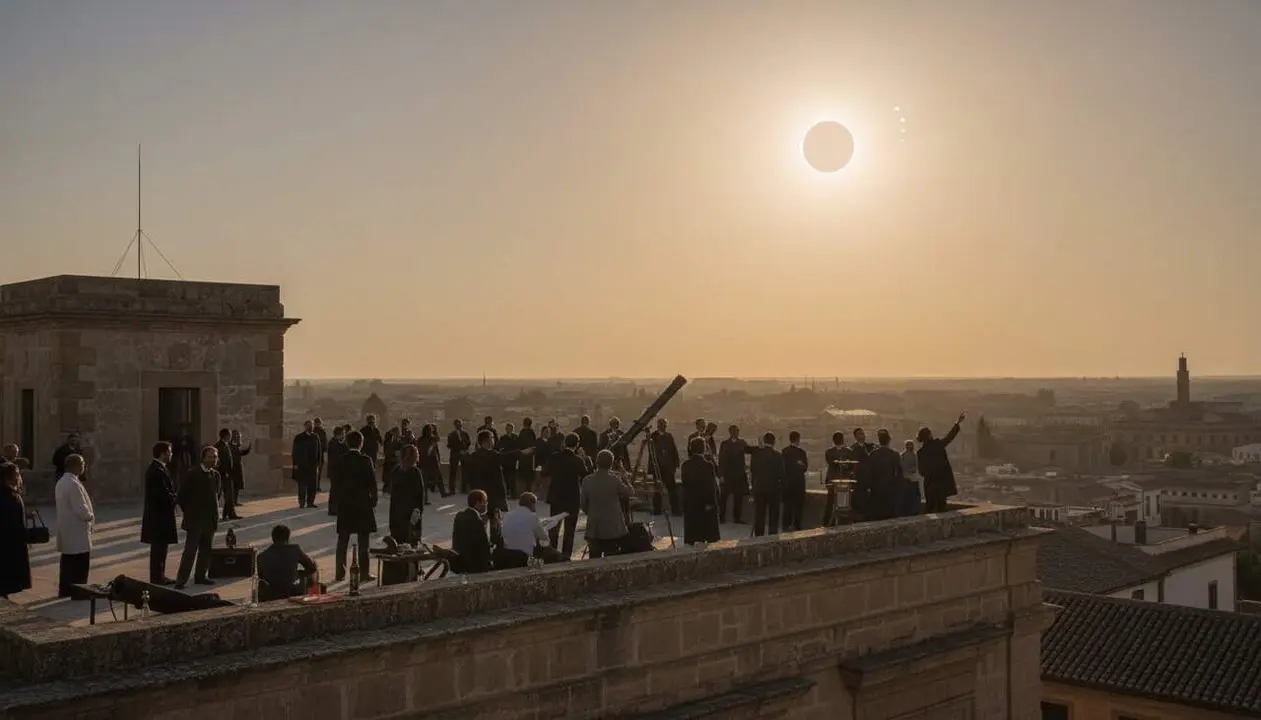

The total solar eclipse of 1905 in Tortosa was the starting point of the Ebre Observatory, which today leads the research of the upcoming total eclipse in the Terres de l'Ebre in 2026. This astronomical phenomenon marked a before and after in science in the region and Catalonia.
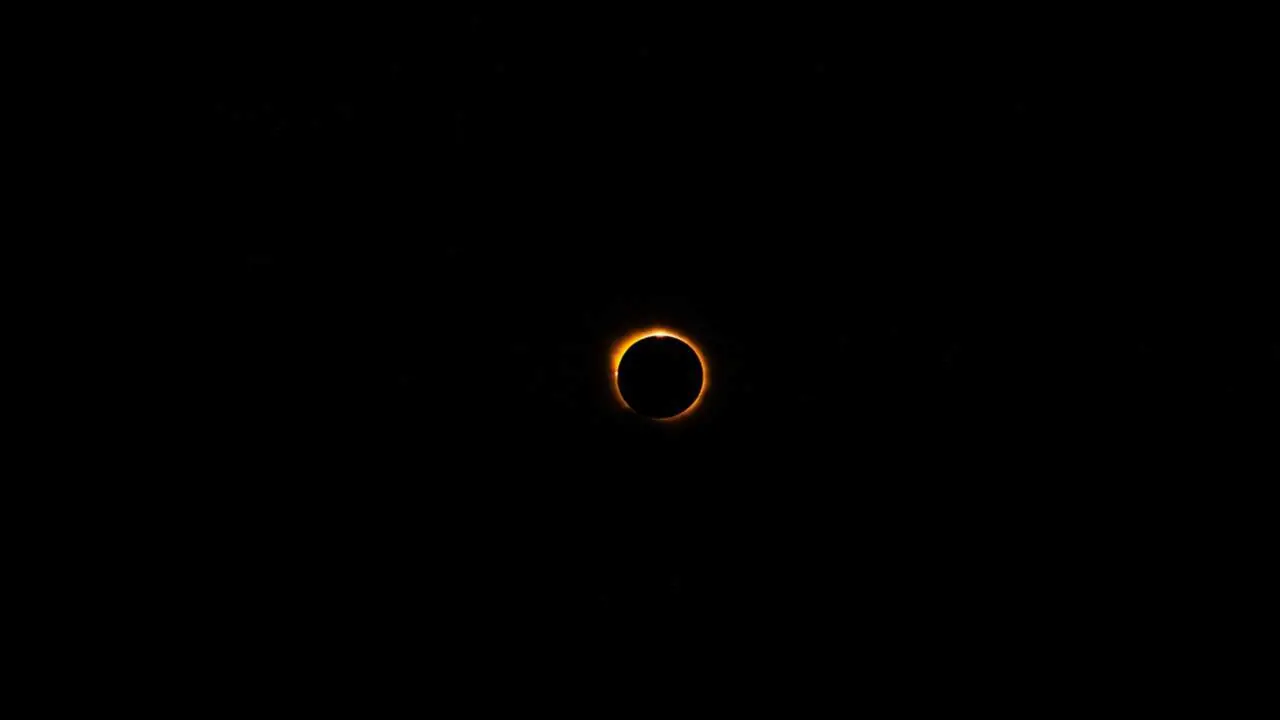
With an eye on the future, the region is preparing to experience another total eclipse that will not occur again for 154 years, becoming a unique event for current and future generations.
The observatory born from the sky of Tortosa
Why is the 1905 eclipse key for our territory?
The eclipse accelerated the public inauguration of the Ebre Observatory on August 30, 1905, in Roquetes, just as the path of totality crossed Tortosa. This placed the region as an international scientific reference and launched a center with meteorological, electrical, seismic, and astrophysical equipment that still collaborates today with institutions such as the CSIC and Ramon Llull University.
How was the Observatory founded?
The Society of Jesus began the project in 1904 with the intention of studying the sun-earth relationship. The center was built in Roquetes and started operating privately that same year, but the public inauguration was scheduled to coincide with the total eclipse, a move that gave great visibility to the project.
The scientific and social impact of the Spanish eclipses
What importance did the 1905 eclipse have in Spanish astronomy?
It was part of the so-called "Spanish eclipses," three consecutive total eclipses (1900, 1905, and 1912) that spurred the creation of observatories throughout the State, such as the Fabra in Barcelona and the Cartuja in Granada. Tortosa was one of the few points in Catalonia where the eclipse was seen in its entirety.
How was that eclipse experienced in Catalonia?
Barcelona was outside the path of totality, and the well-known astronomer Josep Comas i Solà had to travel to Vinaròs to observe it completely. This highlights the prominent role of Tortosa and the Ebre Observatory in this astronomical milestone.
From photographic plates to live streaming
How has technology changed to observe eclipses?
The change is dramatic: in 1905, reliance was on photographic plates and manual telescopes, with scientists setting up in strategic locations to capture the event. Now, in 2026, we will be able to follow the eclipse live online, with interactive maps and apps that identify stars, as well as the distribution of thousands of certified protective glasses.
What will the Ebre Observatory do during the 2026 eclipse?
It will be the nerve center of scientific research, studying the solar corona, temperature, radiation, earth magnetism, and the ionosphere. In addition, it will organize outreach activities and broadcast the event, keeping alive the legacy started more than a century ago.
An event that will not be repeated for centuries
Why is the 2026 eclipse so exceptional?
It will be the first total eclipse visible from Catalonia in 121 years, and the next will not arrive until 2180. This means that no one alive today will be able to see a total solar eclipse from Tarragona again, making it an unrepeatable spectacle.
What connection is there between past and future?
The eclipse connects the scientific history of the region with the present and future, with the Ebre Observatory as the protagonist. It is a bridge between generations that confirms the importance of astronomy in the Terres de l'Ebre.