The Ebro Delta experiences the solar eclipse 2026: 90 seconds that change the attitude of flamingos and birds
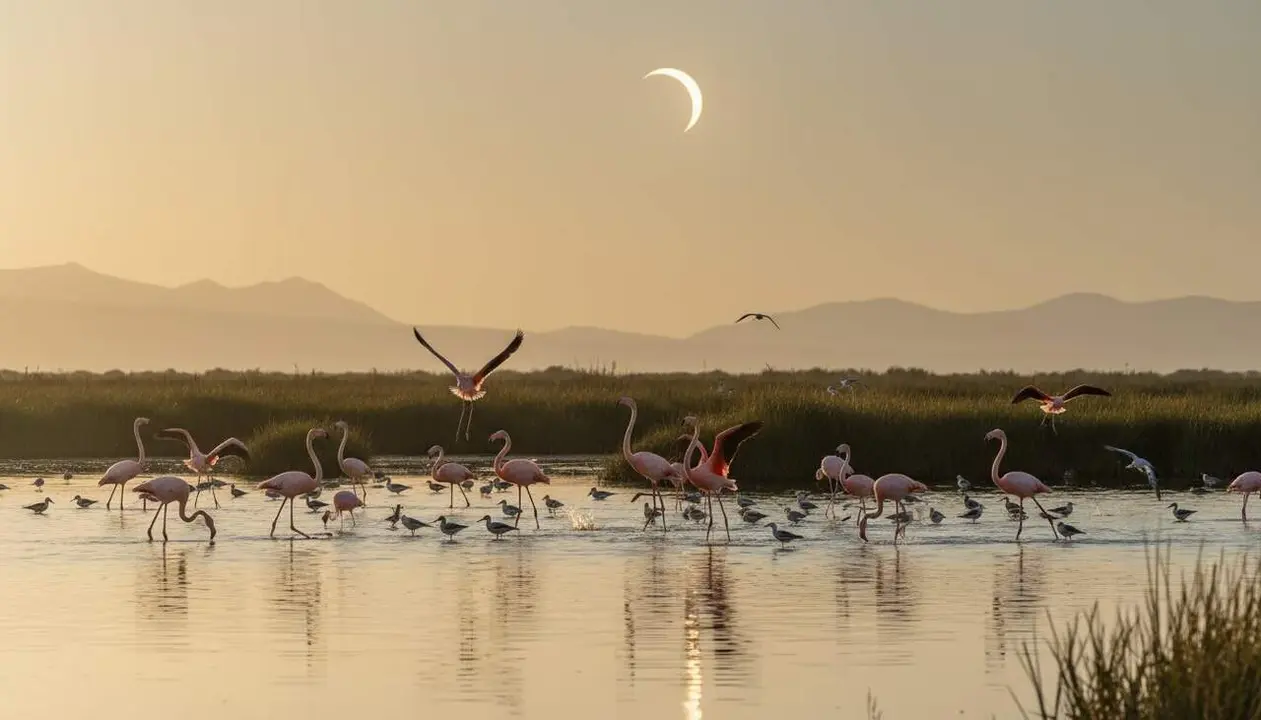

The total solar eclipse on August 12 in the Ebro Delta causes an abrupt change in the behavior of flamingos and other birds. For 90 seconds, the unexpected darkness in broad daylight generates reactions that captivate ornithologists and visitors.
The Delta thus becomes a natural laboratory to observe how the most sensitive wildlife interprets a sudden interruption of its daily cycle, offering an almost hypnotic spectacle in nature.
The Ebro Delta as a unique setting for birdwatching
What makes the Delta special for this phenomenon?
The Ebro Delta is one of the main bird refuges in Europe with more than 300 species. Wetlands such as the Tancada and Encanyissada lagoons, managed by SEO/BirdLife, concentrate exceptional biodiversity.
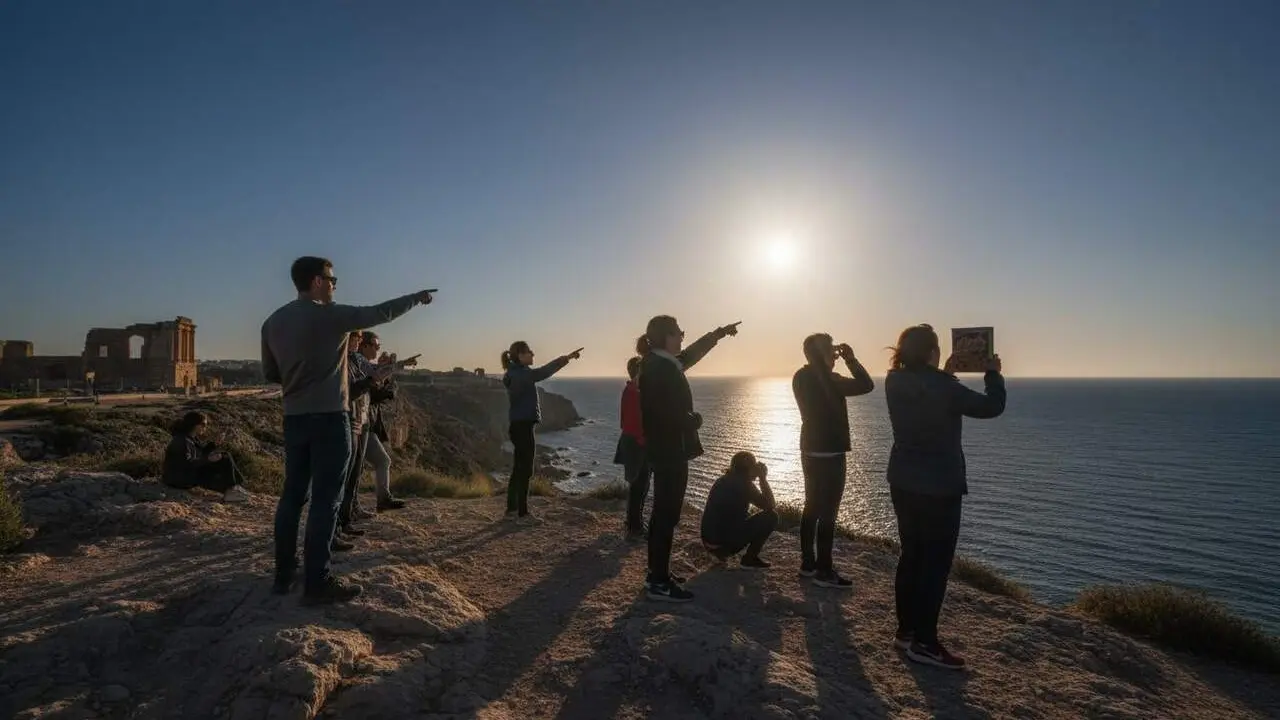
Nearby municipalities such as Amposta, Camarles, or Santa Bárbara become privileged viewpoints to observe the eclipse and the biological reaction of the birds. Guided routes combine the experience of seeing flamingos with tracking the phenomenon from places like Trabucador beach.
How do experts and visitors prepare?
Outings organized by local entities facilitate contemplation without disturbing the wildlife. The use of binoculars is advised and avoiding sudden movements, keeping neutral colors so as not to alter the animals.
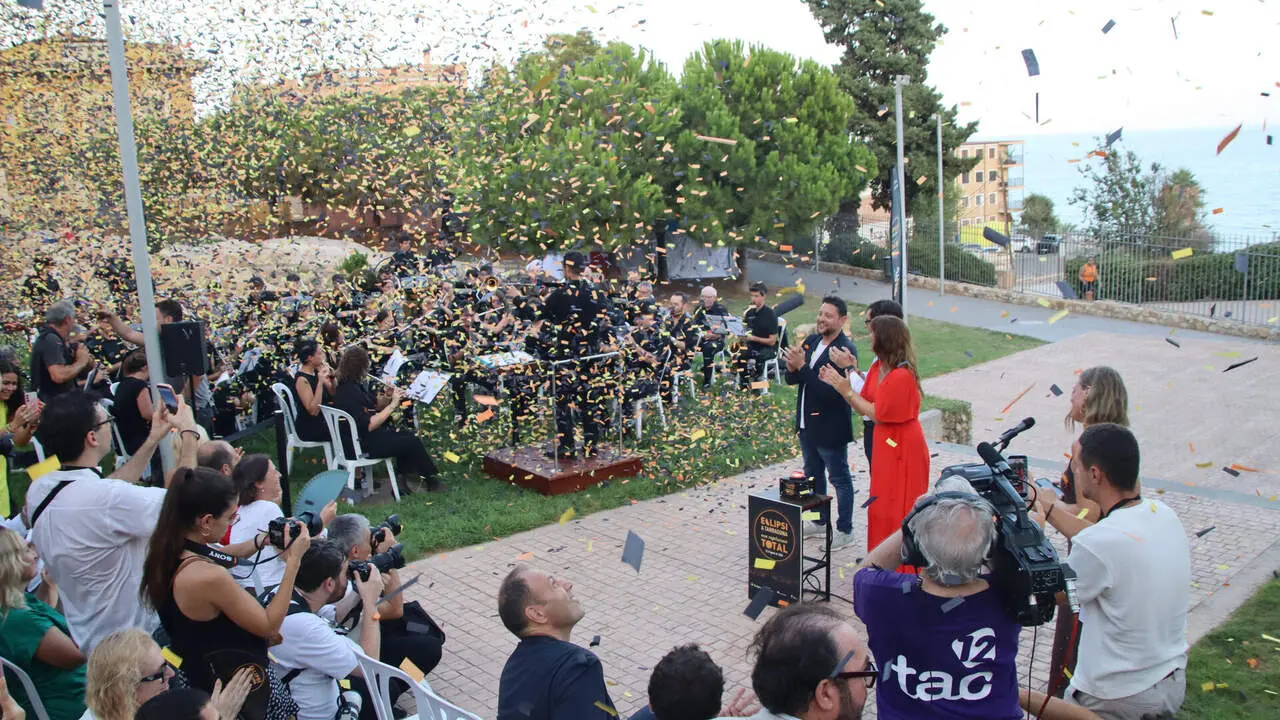
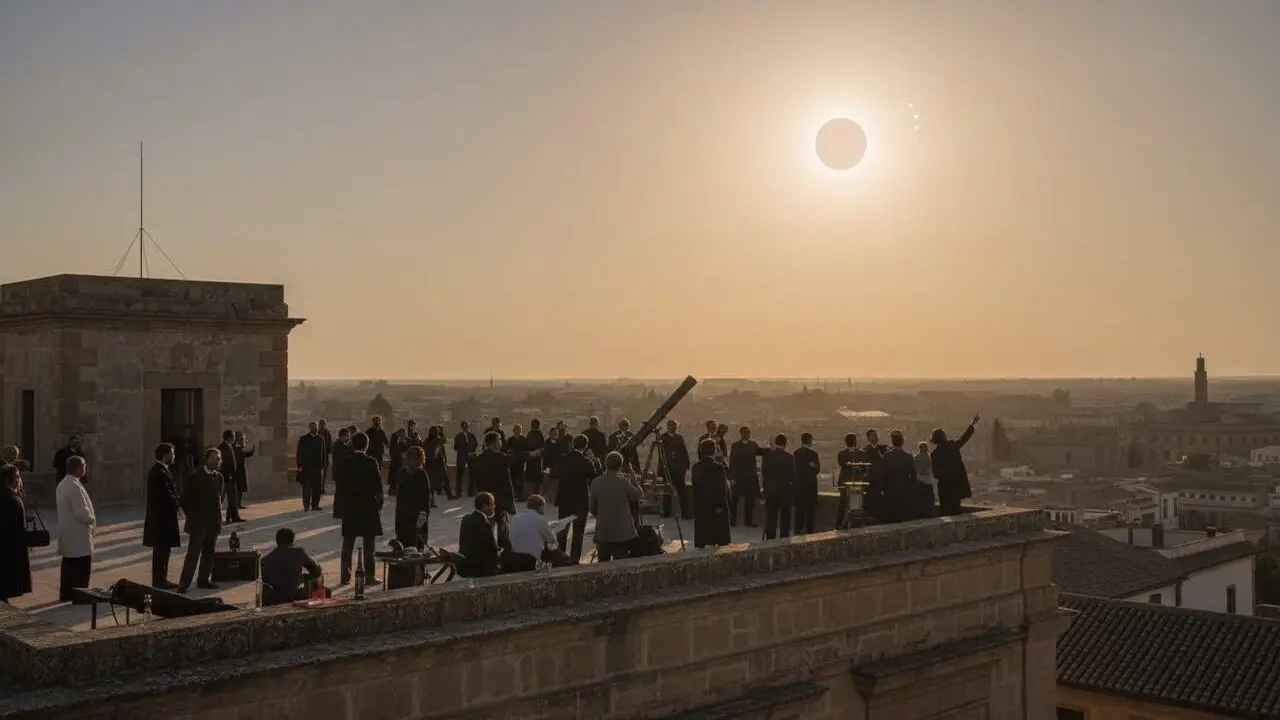
During the eclipse, people gather at strategic points, waiting not only for the play of light but also for the unexpected behavior of the birds.
Animal reactions to the 'false dawn' during the eclipse
How does the eclipse affect the birds’ biological rhythms?
During the eclipse, sudden darkness causes a temporary interruption of the ambient light cycle that triggers behavior typical of both dawn and dusk at the same time.
Recent studies, such as those observed in the USA in April 2024, show that more than half of the birds modify their activity, emitting songs similar to those at dawn.
Which species are the most reactive?
Barred owls, robins, and other birds increase their vocalizations during these minutes. Flamingos, for example, group together waiting for the light to return, while other animals seek elevated places or increase their activity.
This confirms that the eclipse acts as a temporary stimulus that alerts wildlife with rapid changes in activity.
Grouping patterns and tips for respectful observation
Why do flamingos gather during the eclipse?
Flamingos tend to concentrate during maximum darkness to protect themselves and disperse once the light returns. This behavior may help better understand their social dynamics.
How can we observe without disturbing?
It is essential to maintain distance, avoid noise and sudden movements, and respect restricted areas. Organizations such as the Ecomuseum of the Natural Park and the Picampall Ornithological Association promote conscious observation to avoid altering natural behavior.
This eclipse not only offers a celestial spectacle but a unique opportunity to see nature in its pure state, reacting to a phenomenon that breaks its routine.
The reactions of flamingos and birds during these 90 seconds of darkness leave more questions than answers, with the Ebro Delta continuing to be a living treasure full of mysteries to discover.