A hundred people with visual disabilities experience the eclipse in Reus
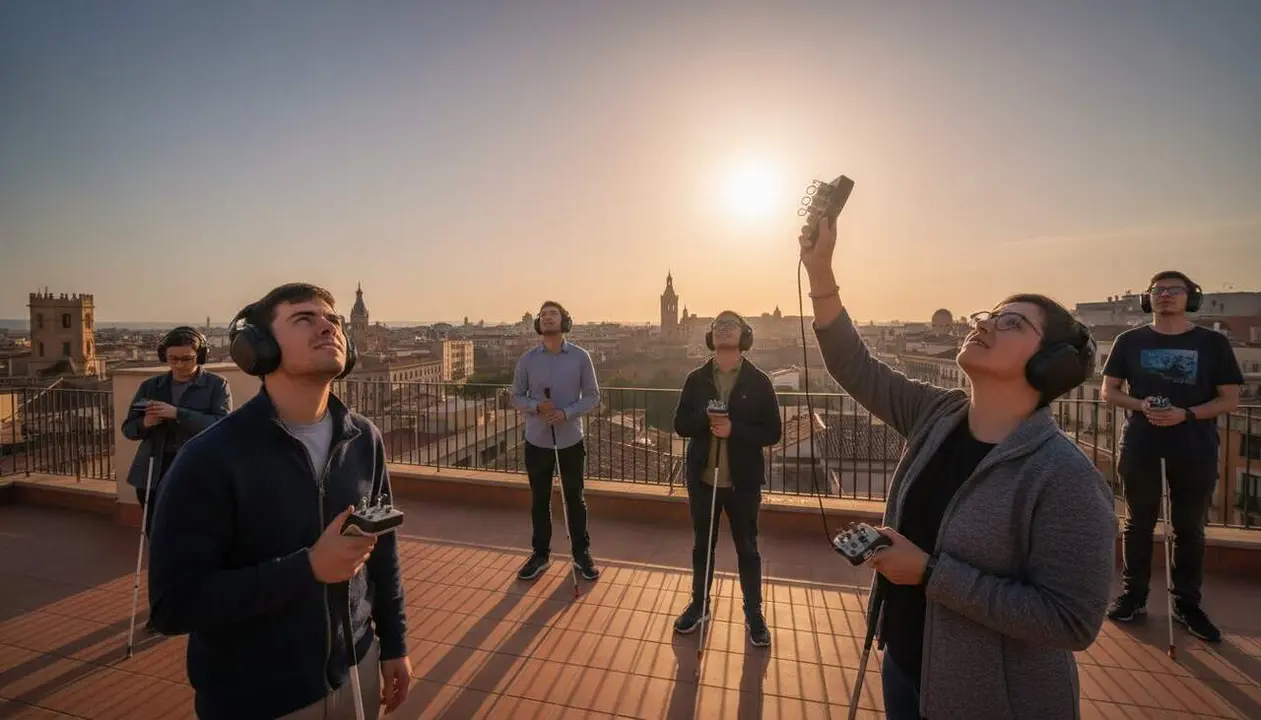
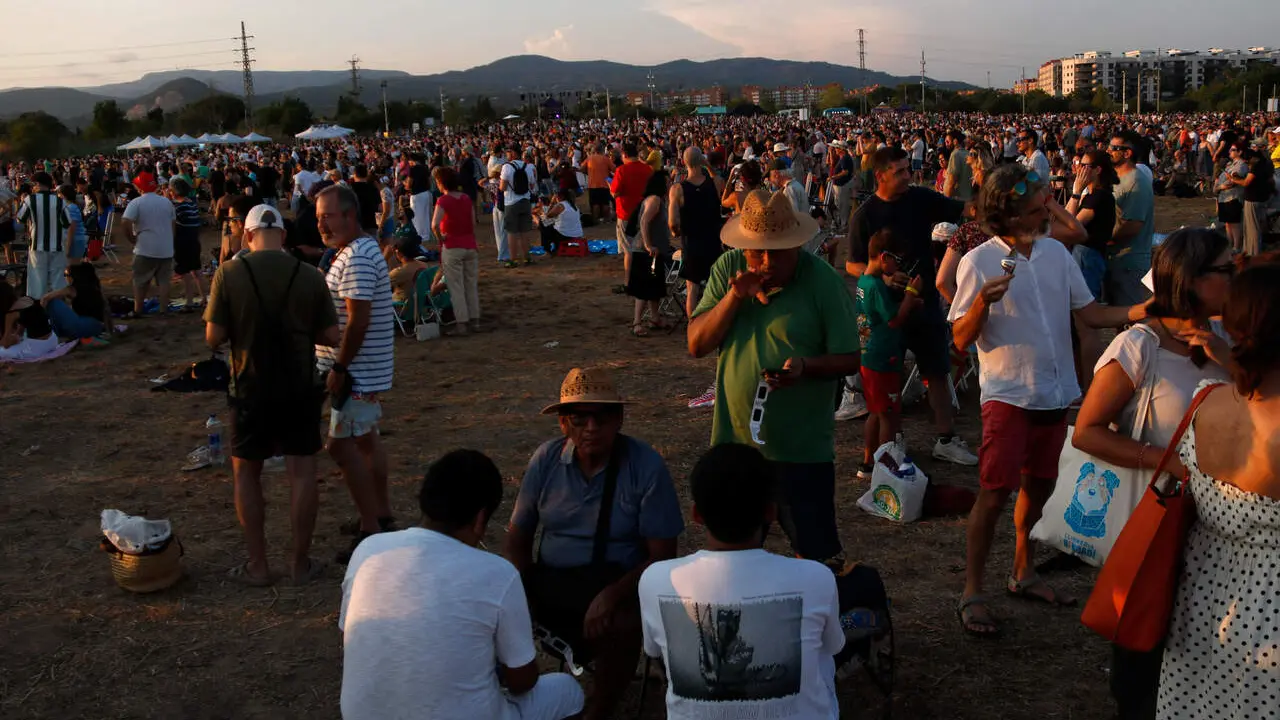
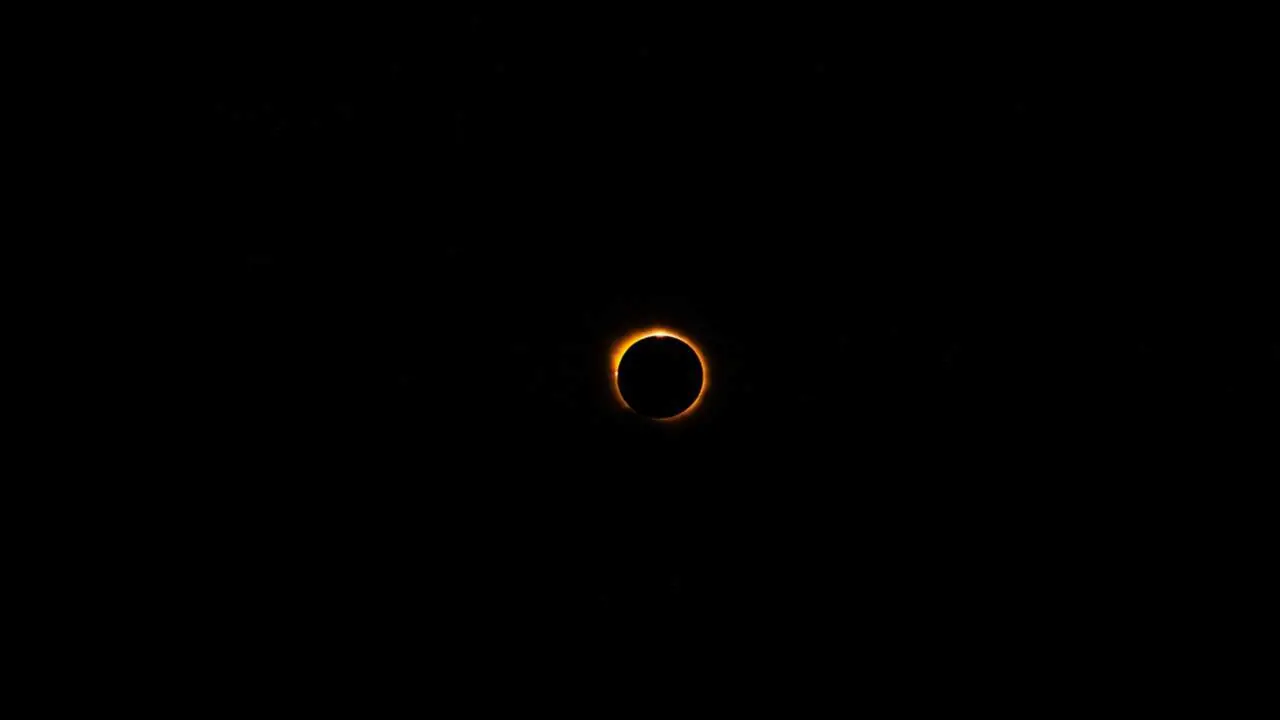
More than one hundred people with visual disabilities have experienced the total solar eclipse in Reus in a unique way, feeling the phenomenon through a device that converts light variations into sounds. This initiative has allowed living an exceptional moment in a completely new and inclusive way.
Among them, Mar Velardiez and Jesús López, affected by retinitis pigmentosa, have shared that, although they did not see the eclipse, feeling it was a very emotional experience. The LightSound device has been the key to making this possible.
The LightSound device: a sound window to the eclipse
What is LightSound and how does it work?
LightSound is a device created by Harvard University in 2017 and adapted in Spain by Doctor Jorge Rivero, from ICE-CSIC. This device captures variations in sunlight and transforms them into sounds that change according to the progression of the eclipse.
When the light is intense, the device emits a high-pitched sound that becomes deeper and finally disappears during totality. Then, the sequence reverses as the moon stops covering the sun.
Why does this device matter to the residents of Reus?
For people with visual disabilities, this device opens a new way to experience astronomical phenomena that are traditionally exclusive to sight. In Reus, the capital of Baix Camp, it has been the place with the most distributed LightSound devices, allowing more than one hundred people to live the eclipse with all the intensity it deserves.
The personal experiences that humanize the eclipse in Reus
How have people with visual disabilities experienced the eclipse?
Mar Velardiez and Jesús López, with retinitis pigmentosa, have been protagonists of the event. Sharing an earpiece to hear the LightSound, they have described the experience as emotional and unique. Jesús highlighted that "it only happens once in a lifetime," and Mar explained that, although she cannot see, the other sensations are equally powerful.
Additionally, Antonio Reyes, who came from Cornellà de Llobregat with 0.01% vision, confessed that it was "spectacular" and shared his fascination on TikTok, helping to spread advice for people with blindness.
What does the ONCE of Reus say about this initiative?
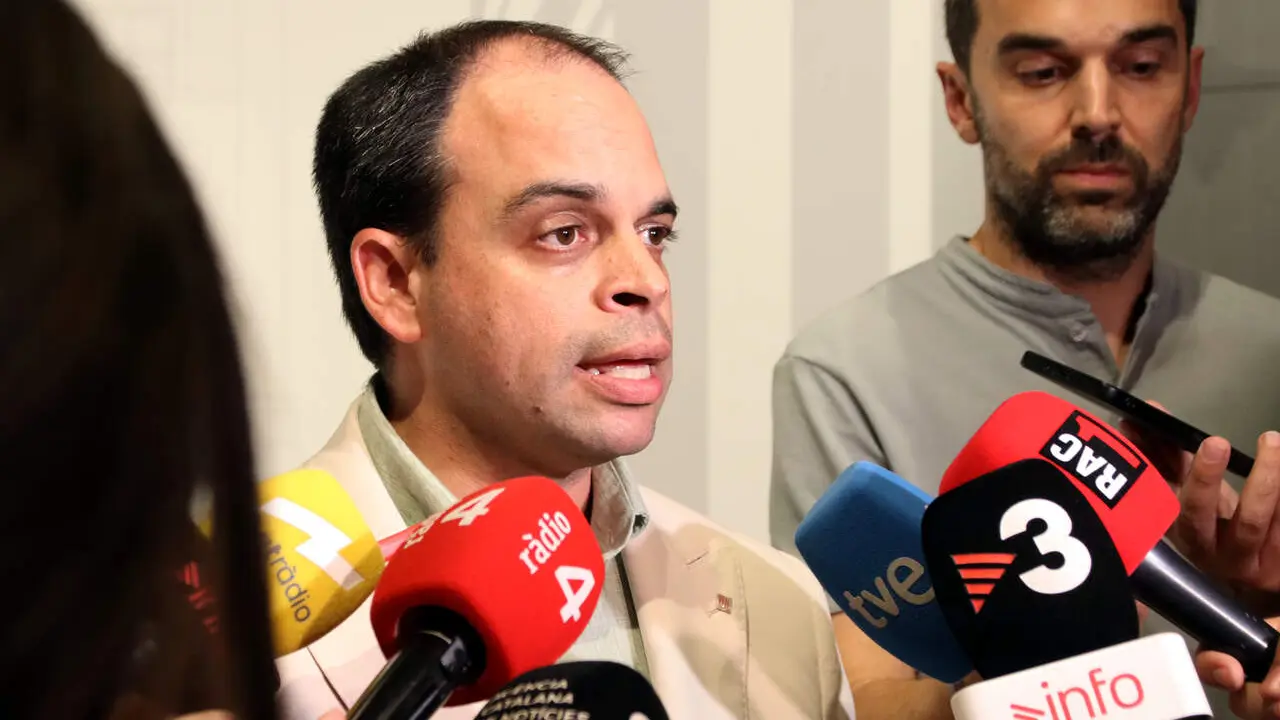
Fran Sánchez, director of ONCE in Reus, has celebrated that more than a hundred people have traveled to experience the eclipse in an inclusive way. He emphasized the importance of sharing this experience with families, combining the vision of some with the sounds of others to create a unique collective moment.
Organization and impact of the Inclusive Eclipse project
How has the initiative been coordinated across the country?
The project has been coordinated by Doctor Jorge Rivero, from ICE-CSIC, who has led the construction and distribution of 120 LightSound devices to 20 official observation points across the country. The collaboration with organizations like ONCE has ensured that no one was excluded.
Volunteers have made this initiative possible, driving an experience that combines science and social inclusion, making Reus a reference point for accessible eclipse observation.
What impact does it have on the local community?
Besides putting Reus on the map as a pioneering city in astronomical inclusion, this action has strengthened social awareness about diverse abilities and the need to adapt cultural and scientific events for everyone.
The fact that citizens with visual disabilities actively and collectively experienced the eclipse opens the door to future initiatives that place accessibility at the center of cultural and scientific experiences.
All in all, it shows that technology and social sensitivity can turn a natural phenomenon into an unforgettable memory for everyone, regardless of visual ability.
The LightSound device has been the voice of the sun in Reus, and for many, the way to feel that they are not alone in our universe.
Source of the article: Arnau Martínez Teruel / Catalan News Agency