The Museu de Valls expands the exhibition dedicated to Fra Josep de la Concepció
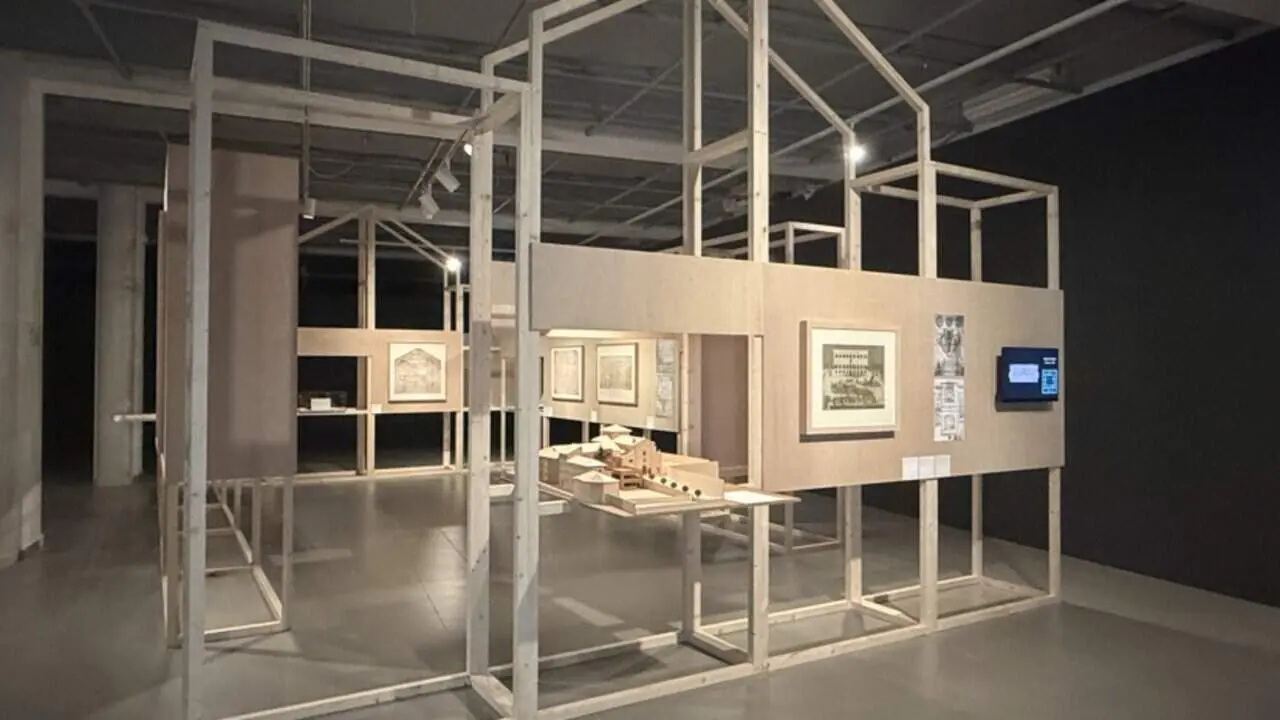

At the Museu de Valls, one of the city’s most beloved cultural institutions, an extension of the programming around the exhibition dedicated to Fra Josep de la Concepció has been announced. This figure, known as the “Tracista,” is one of the key names in Catalan Baroque architecture.
This new stage in the exhibition offers an opportunity to get closer to the life, work, and legacy of a figure who has left a mark on the local heritage and often goes unnoticed outside specialized circles.
Catalan Baroque architecture and Fra Josep de la Concepció
Who was Fra Josep de la Concepció?
Fra Josep de la Concepció stood out as a master of architecture during the Baroque period, characterized by expressiveness and decorative exuberance. His nickname, the “Tracista,” reflects his role as a designer of spaces and forms that still impact the Catalan architectural landscape today.
His legacy in Valls and the province
Fra Josep’s work has contributed significantly to shaping the appearance of several emblematic buildings in Valls and its surroundings. The Museu de Valls preserves and displays this legacy so that the public can enjoy and understand the historical and artistic importance of this creator.
Details of the new programming at the Museu de Valls
How to access the new programming
The activities can be followed closely through the Museu de Valls, which has also strengthened dissemination to attract both locals and visitors interested in learning more about Baroque architecture and local history.
The importance of recovering figures like Fra Josep
Revalorization of cultural heritage
Recovering and highlighting figures like Fra Josep de la Concepció is vital to understanding the cultural evolution of the region. This exhibition strengthens the link between past and present, making visible the imprint that history leaves on the territory.
Impact on the local community
Moreover, initiatives like this connect citizens with their heritage, generating a sense of belonging and pride that goes beyond mere artistic contemplation.
Who would have thought that an 18th-century friar could still feel so alive in Valls? The Museu has taken a step forward to make this a tangible reality.
Those interested can consult the programming and take part in this unique opportunity to get to know one of the pillars of Catalan Baroque architecture. Don’t miss the chance to discover the “Tracista” and his work with fresh eyes.
Source of the article: Ajuntament de Valls