New active retirement: the change that could change your pension and job

Pensioners will now be able to work without losing their pension, with a new modality that expands the options for active retirement. This reform aims to make returning to work after retirement easier and more attractive.
The Spanish government recently approved a royal decree that will come into effect in three months. The measure affects both self-employed and employed workers, part-time and full-time, and aims to promote active aging with more flexibility.
Who can take advantage of the new active retirement modality?
Employed workers
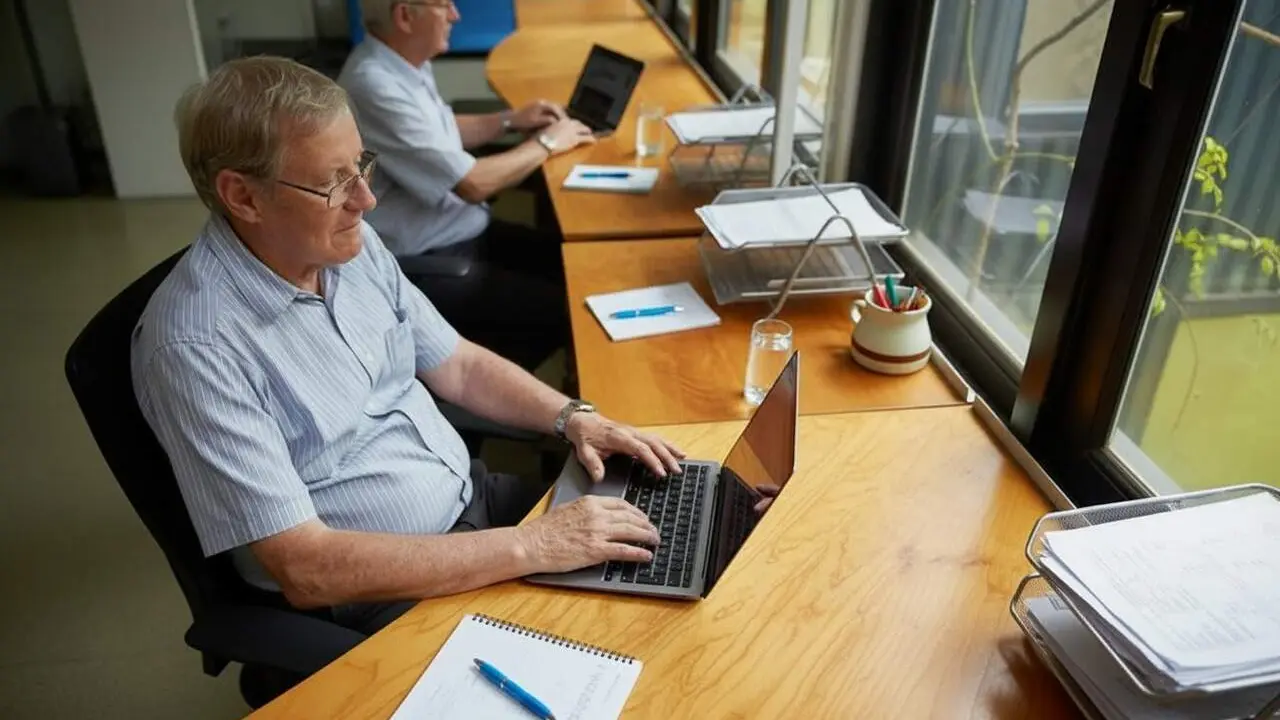
This option is open to both part-time and full-time workers, without needing to wait any period after retiring to apply for it. This breaks with the previous rule that imposed a minimum waiting time.
Self-employed workers
Self-employed individuals also have access, provided they have not been registered in the three years prior to retirement. They will be able to work and receive up to 25% of the pension, an initiative that could boost many who want to stay active.
How does it work for part-time and full-time workers?
Part-time work
Pensioners who return to work part-time will be able to work between 33% and 80% of the working day, an increase from the previous limit of 25% to 75%. The pension will be reduced proportionally to the hours worked, but here is the detail: if the activity is resumed after six months of retirement, an increase of up to 25% of the pension can be received depending on the working hours.
Full-time work
Those who choose to work full-time will see the pension adjusted inversely to the working hours. But, just like in the part-time case, after six months the pensioner may increase the pension by up to 25% depending on their work dedication. This opens the door to better combining work and pension without giving up either.
What repercussions could this new active retirement have?
Benefits for the labor market
With this reform, the government seeks to increase pensioners' participation in the labor market, helping to ease the pressure on the pension system. Additionally, it facilitates older people continuing to contribute experience and income.
Possible doubts and pending issues
Flexibility is a step forward, but it remains to be seen how it will impact labor rights and social protection. It also remains to be resolved how cases of compatibility between pension and work will be managed in practice, especially for the self-employed.
The reality is that this change may be a boost for many pensioners who do not want to stay inactive, but also a new bureaucratic maze that only time will clarify.