Why Valencian chefs consider seafood stock key
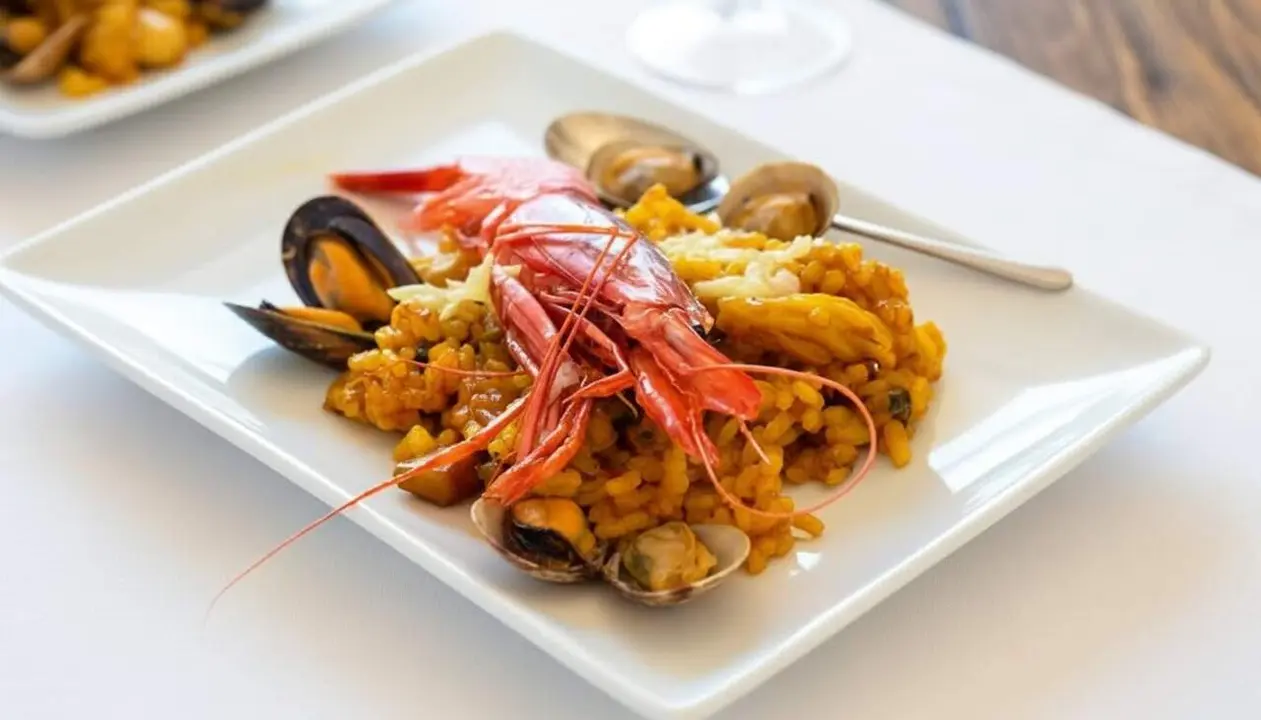

Have you ever tried making rice at home and end up half frustrated because it doesn’t have that restaurant taste? Valencian chefs have a clear opinion: it’s not just about the rice or the paella, but about an element that often goes unnoticed but makes all the difference.
But beware, because it’s not just about randomly adding seafood. The key lies in a strong base that many underestimate: seafood stock and fish stock. And that is precisely what makes the qualitative leap that transforms any rice dish into a gastronomic experience.
The foundations of flavor: seafood and fish stock
The essential role of the stock according to Quique Dacosta
Quique Dacosta, with three Michelin stars, never tires of repeating that the secret of his arroz a banda lies in a powerful broth made with ingredients such as monkfish and cuttlefish. For him, starting with a good stock is indispensable before getting down to cooking.
He also explains that covering the paella with a thin layer of extra virgin olive oil and heating it well before adding the rice helps enhance the flavors. His favorite is Sénia rice, since it absorbs the essences better and achieves a more intense texture and taste.
Practical tips for traditional paella
In traditional paella, Dacosta insists on frying meats and vegetables separately, then toasting the rice before pouring in the broth. Controlling the heat is key: start at high intensity and then lower for gentle cooking. And, of course, the final touch to get the much-loved socarrat.
Susi Díaz’s vision of the perfect rice
Choosing the right grain
Chef Susi Díaz emphasizes the importance of selecting the right type of rice, since each variety requires different cooking times and broth amounts. She also warns never to forget proper use of oil, because the fat greatly influences the result.
Freshness and quality of ingredients
For Díaz, freshness is the key to top-notch rice. A good stock, combined with fresh, quality ingredients, creates a balanced and flavorful dish that makes the effort in cooking truly worthwhile.
Key aspects for restaurant-quality rice at home
The type of grain
Experts agree that the type of grain is fundamental. Sénia rice is popular for its ability to absorb flavors, but it’s not the only one. Choosing well according to the recipe and use is crucial to avoid undercooking or overcooking.
The use of oil and heat control
As important as the stock is using oil sparingly and controlling the temperature. As Quique Dacosta explains, properly heating the oil and preparing the ingredients before adding the rice makes the result more homogeneous and flavorful.
In fact, Valencian chefs insist that these details make the difference between everyday rice and a dish worthy of a restaurant. That said, never forget that chefs are a great source of inspiration and learning.
The reality is that a good seafood and fish stock not only enriches the flavor but also gives the rice body and depth, a secret that Valencian cuisine elevates to art and that any lover of good food can try to reproduce at home with patience and respect for the ingredients.