Discover where the best chefs avoid ordering battered squid rings
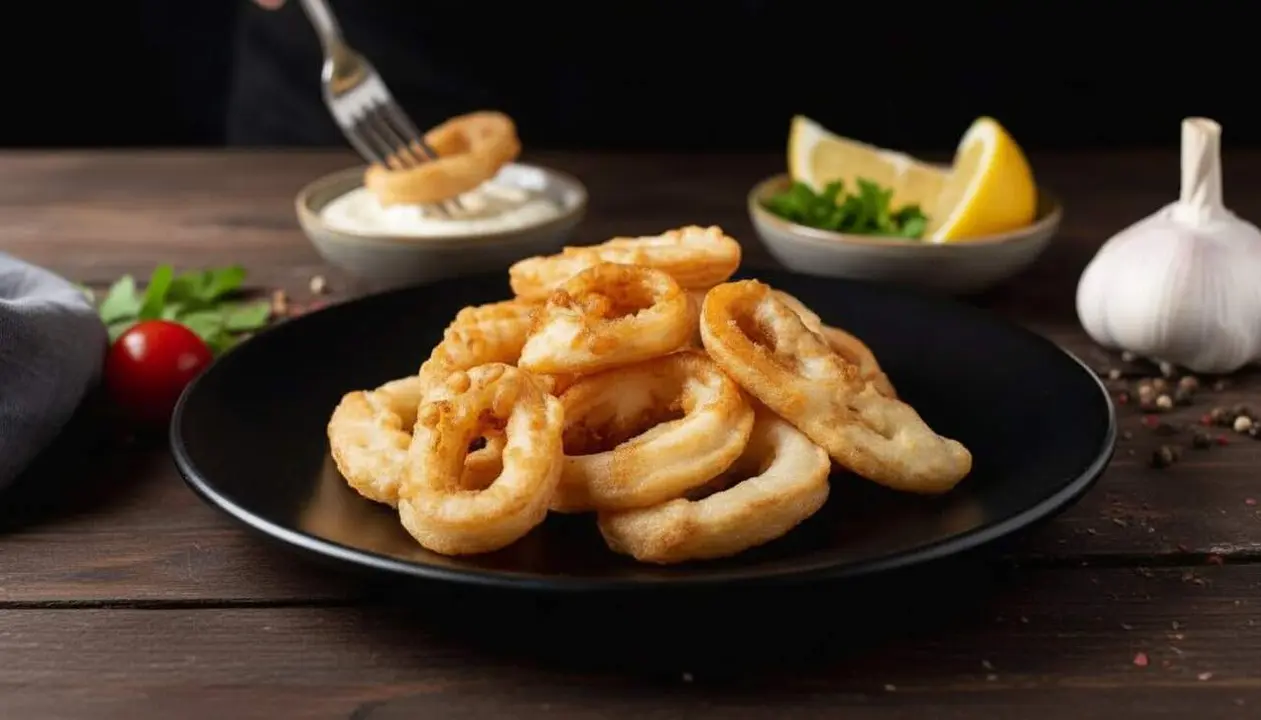

Roman-style calamari is one of those dishes that seem foolproof, found on almost every menu, from the most traditional bars to the most modern restaurants. But, according to chefs, ordering it at an unfamiliar place is one of the riskiest decisions you can make when trying a new spot.
The popularity of Roman-style calamari has made this dish become a tricky product hiding more pitfalls than it seems. Although its preparation requires just a few steps, the quality of the product and frying technique make the difference between success and culinary disaster.
A cheap dish turned into a profitable business
The key problem lies in the cost of the squid. This seafood is not particularly expensive, which makes it very profitable for restaurants. But many opt for cheaper versions, such as squid legs, which have less flavor and texture—a trick that causes the customer to end up paying for lower quality.
Moreover, excessive battering is common. It’s not unusual to find portions where much of the dish is just fried flour, which fools the eye but not the palate. Fifth-range products make things worse, as many squids come pre-cooked and just need frying. The result? A product without soul or texture.
The risks of cheap raw materials
Choosing low-quality squid is a sure recipe for failure. Chefs recommend seeking fresh pieces from good sources, where firmness and authentic marine flavor are noticeable. The cheaper leg option may seem like a bargain, but in the end, it leaves you hungry and disappointed.
The danger of excessive battering
When a portion is dominated by a thick and greasy crust, the feeling is that you’re eating fried flour more than squid. This not only impoverishes the flavor but also makes the dish feel heavy and boring quickly.
The mistake of trusting unfamiliar places
The risk skyrockets in new restaurants or places with modern proposals trying to seduce with “safe” dishes like Roman-style calamari. But many of these places end up failing in quality and technique.
It’s common for them to try compensating for a mediocre product with special sauces or sophisticated presentations, but no sauce can save badly fried or low-quality squid. The frying must be light, crispy, and not oily at all, and if it isn’t, the dish loses all its charm and authenticity.
Frying, the key to the dish
Good Roman-style calamari is recognized by its thin, crispy crust. The frying must be clean and just right, without excess grease, something only achieved with experience and fresh product.
Where not to fail with calamari
Chefs recommend going to long-established bars with proven experience. Chefs in these places know that product turnover and kitchen care are essential to offer a worthy dish.
Learning to choose the place and the dish
Showing that you know where to eat is as important as knowing what to order. Roman-style calamari at an unknown place can be a trap for your wallet and palate. That’s why it’s better to go for places that have proven their value or rely on trustworthy recommendations.
The best chefs also agree that the quality of the raw material is the foundation of any dish, and this applies especially to simple but demanding recipes like Roman-style calamari.
Tips to avoid mistakes
- Avoid new places without recognized frying experience.
- Look for proximity and freshness in the product.
- Be wary of portions with too thick batter.
- Listen to the recommendations of those who know.
Roman-style calamari, a classic that demands respect
This traditional dish may seem simple but does not allow for carelessness. Better to leave it in expert hands or prepare it at home with the proper technique, rather than risk a bad gastronomic experience that makes you doubt its reputation.
The reality is that ordering Roman-style calamari in a new place is almost always one of the worst decisions, as it often ends in disappointment, a greasy dish, and a lighter wallet.