Why top Catalan chefs lower the temperature of the chicken
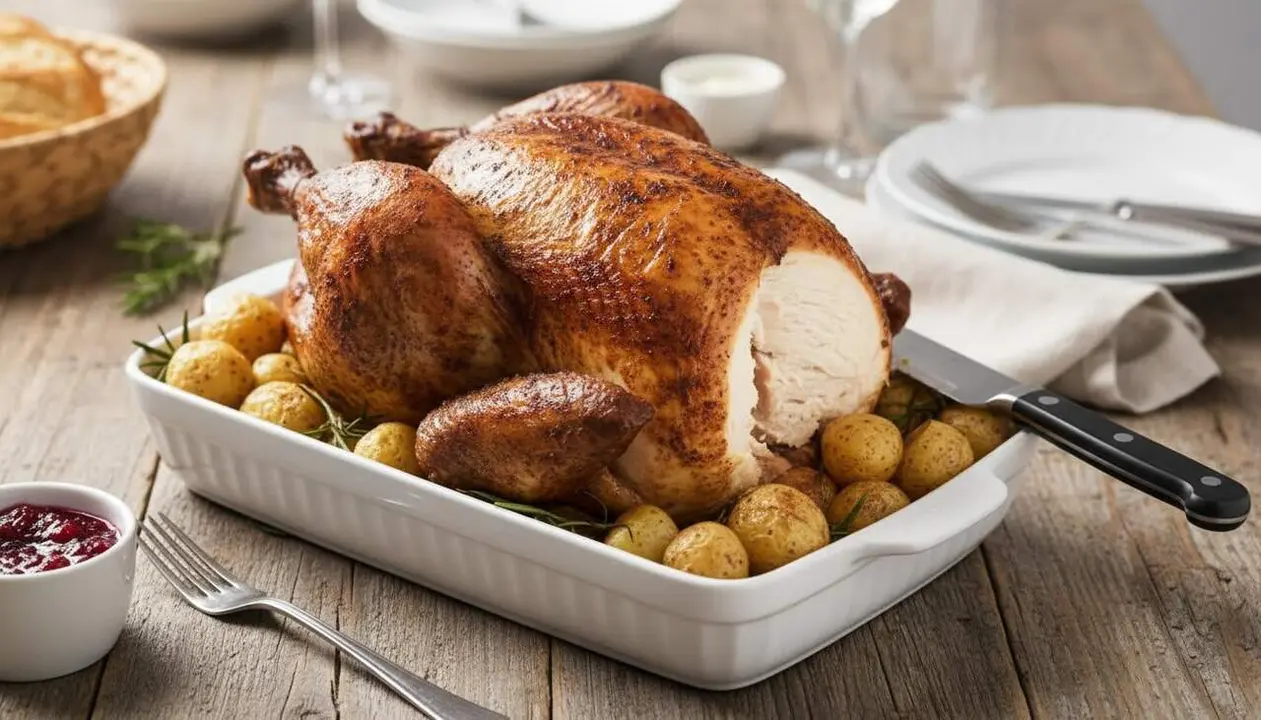

Have you ever entered a kitchen where a roast chicken promised to be the star of the party and, instead, you ended up with dry meat and a stuffing that doesn’t even save the last sip of sauce? You’re not alone. Many great Catalan chefs agree that the trick is not in the stuffing, but in a factor often overlooked: the oven temperature.
Most think that adding stuffing brings more juiciness, but the reality is that it often only adds aroma or garnish, and can even complicate the cooking. Yes, lowering the temperature and controlling the time is the key to a chicken that steals the show at the table, with crispy skin and tender meat.
The secret of Catalan chefs: eating away from intense heat
💶 Average price: Variable depending on ingredients
🕐 Cooking time: About 1h30 to 2h
🍽️ Specialty: Roast chicken with controlled temperature
Hot spots of cooking
The most renowned cooks in Catalonia, like the Roca brothers or Nandu Jubany, argue that chicken deserves slow heat treatment. Lowering the temperature of the oven prevents the meat from drying out quickly and the surface from burning before the inside is cooked. The result? A chicken that retains its natural juices and intense flavor without having to resort to deceptive stuffing.
As chef Jordi Cruz explains in a recent interview, “stuffing doesn’t work miracles if the temperature is too high. It’s like trying to cover up a blunder with sauce.” And that’s why he recommends drying the chicken at about 90-140ºC for more than an hour, letting it rest to redistribute the juices. The final touch is a strong hit at 200-270ºC to get the crispy skin everyone expects.
The "reverse sear" technique adapted Catalan style
Inspired by international techniques, many Catalan chefs adapt the "reverse sear", or reverse searing, in their own way. This cooking method consists of roasting the chicken at low temperature first, then letting it rest, and finishing with a strong heat blast for the crust. This achieves a perfect texture and a taste that does not deceive.
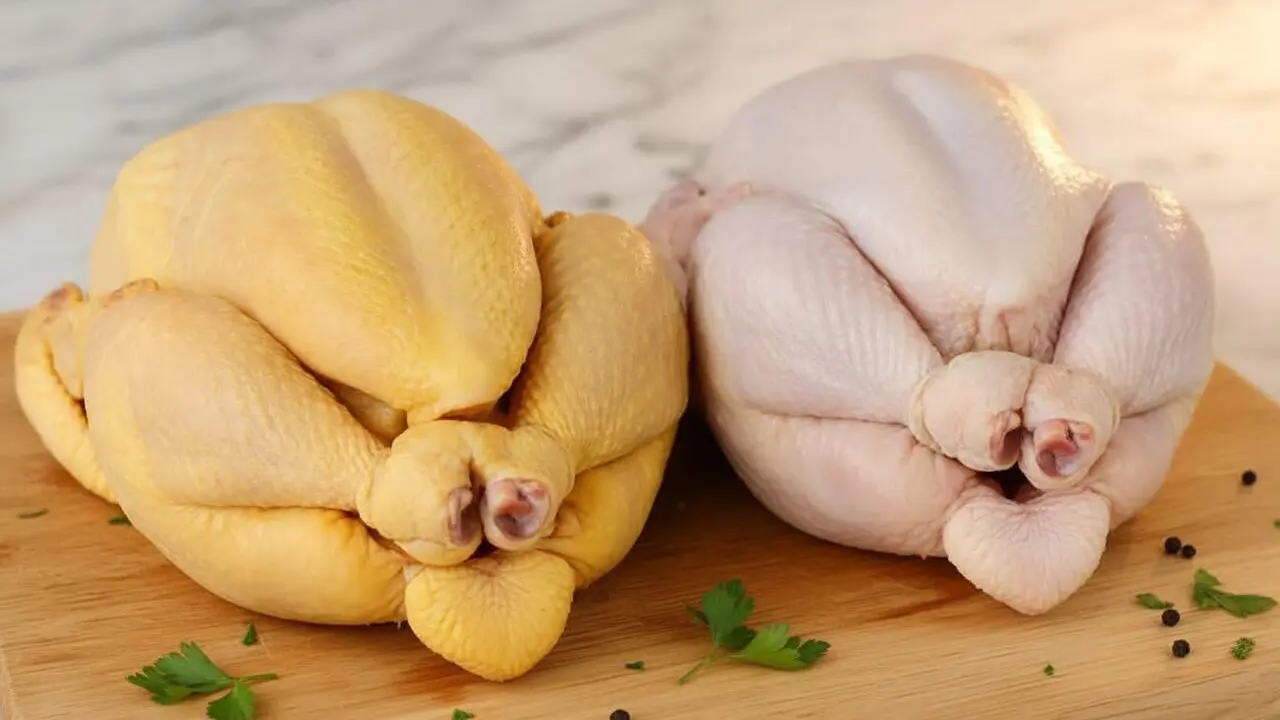
This method is especially useful with large or free-range chickens, highly valued in Catalan gastronomy, where the quality of the meat is key and not a drop can be lost.
Stuff or no stuff? A debate that already has an answer
The real value of stuffing
Stuffing the chicken is a common practice, especially during celebrations. But according to food critic Mireia Carbó, “stuffing is more a complement than an essential element.” She states that it adds aroma and can create an exceptional sauce from its juices, but it does not improve the texture or juiciness of the meat by itself.
Catalan chefs usually prefer a good marinade or brine beforehand rather than complicated stuffing, because that way the meat remains consistent and flavorful, without risk of overcooking or dry parts.
What do professionals prefer?
In line with Catalan chefs, the trend is clear: focus on cooking and timing before stuffing. The moderate use of stuffing is only to add a personal touch or to achieve a sauce that accompanies a very well-cooked chicken better.
Temperature, then, is the definitive factor to not ruin the party or the main dish.
How to put it into practice at home
Easy and effective recipe for a perfect chicken
| Step | Instruction |
|---|---|
| Step 1 | Preheat the oven to 90ºC. Place the chicken on a rack to allow heat to circulate well. |
| Step 2 | Roast for 90 minutes. This will cook the meat slowly, keeping it juicy. |
| Step 3 | Let rest for 45 minutes outside the oven. The juices redistribute and the texture improves a lot. |
| Step 4 | Turn the oven up to 270ºC and brush the chicken with its juices. Finish cooking for 10 minutes for crispy skin. |
Tips and tricks from Catalan chefs
- Do not go over 200ºC if you choose continuous cooking, to avoid dehydration.
- Use brine beforehand to improve texture and flavor.
- Avoid complicated stuffing if your goal is succulent and even meat.
- Always let it rest, that’s when the magic happens.
- If you want an extra touch, heat the broiler for the final crust.
Professionals of Catalan cuisine explain that this method, although it seems long, guarantees the best result. And if you like to “go easy,” you can try 180-200ºC constantly, but with extreme vigilance and a final broil. But really, if you want the chicken to be *the* star, better do it like they do.
And if you’re one of those who prefer quicker summaries, you can always read how the greats do it in the kitchen, but that’s another story...
The stuffing? Well, it’s not the panacea to have a top-notch chicken. The key is lowering the temperature and letting the chicken do everything slowly.