They steal vegetables from Montgai and sell them at the street markets of Lleida
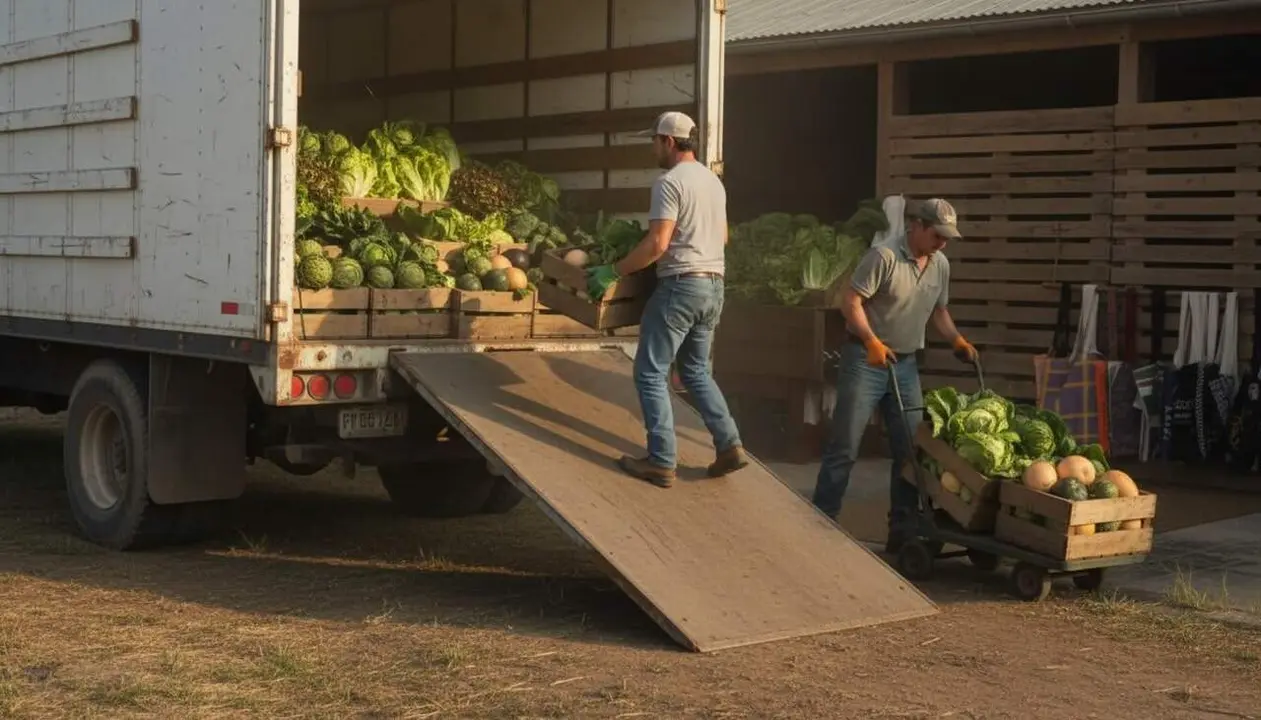

Robberies at agricultural farms in Montgai and the surroundings of Lleida have become a recurring and serious problem. The managers of La Cistella de Montgai explain that not only are crops lost due to animals, but thieves repeatedly break in and cause significant damage.
The crops that suffer the most are those that can be easily taken, such as pumpkins and tomatoes, but the problem goes further: installations and irrigation systems are often broken during the thefts, which multiplies the loss of investment and makes it impossible to plant the following year.
Theft in the vegetable garden and its local impact
💶 Economic loss: Crops and agricultural material
🕐 Frequent thefts: During the cultivation season
🍽️ Affected products: Pumpkins, tomatoes, traditional fruits
Why does this issue affect local farmers so much?
The impact of thefts goes far beyond the immediate loss of fruit or vegetables. Farmers lose time and resources because they must start the crop again from scratch, which can mean months of lost work. Additionally, the theft of materials such as copper and tools makes the viability of the garden even more difficult.
Oriol Pujol, manager of La Cistella de Montgai, points out that the fact that stolen fruit has been found sold in street markets in Lleida creates a sense of impunity and difficulty in protecting property.
What types of fruit and vegetables are most affected?
Pumpkins and tomatoes are the most vulnerable because they can be easily uprooted and have a fast market. Particularly concerning is the theft of old and uncommon varieties grown at La Cistella, since these traditional seeds are difficult to recover and have significant cultural and gastronomic value.
These products are not only less productive for other farmers, but they are key to maintaining the local agricultural diversity that has been losing ground in favor of more profitable crops.
Illegal sales at street markets and the difficulty of reporting
How is it detected and what does finding your own stolen fruit at street markets imply?
The company managers have observed that the pumpkins they grow and that get stolen appear at street stalls in nearby villages. This fact is not reported because there is not enough evidence and there is fear of retaliation. Nevertheless, the varietal coincidence is so clear that they attribute it with certainty to theft.
Why is it so difficult to report these incidents?
Reporting is complicated because thieves cannot be identified if the theft is not caught at the moment. Most actions occur at dawn or when there are no witnesses, and the lack of surveillance allows criminals to act with almost total impunity.
Therefore, the problem worsens: farmers cannot defend their crops, and the feeling of impunity fuels more thefts.
Theft of material and protective measures in the garden
What type of agricultural material has been stolen from the farms?
Besides the theft of fruits and vegetables, there have been cases of very valuable material being stolen, such as copper and tools like concrete mixers. Two weeks ago, La Cistella de Montgai had a concrete mixer stolen despite having a mastiff dog to protect the garden.
What measures can be taken to protect gardens and why are they insufficient?
Farmers try to protect themselves with perimeter fences to prevent wild animals from entering, but in the case of human theft, the situation is much more complex. The gardens, some with more than two hectares, are difficult to fully enclose, and only the smallest can be effectively protected.
Thus, La Cistella works from seedling to product sale, but these losses and insecurity limit their ability to maintain tradition.
The outlook is not optimistic, as even product price fluctuations and informal sales at markets complicate the local agricultural landscape further.
The preservation of these varieties and the continuity of traditional crops depends, in part, on solving this security and marketing problem.
The reality is that the robbery situation in Montgai and Noguera directly affects the economic and cultural sustainability of local agriculture and puts the survival of traditional productions, which are already uncommon, at risk.
Frequently Asked Questions
- Why is vegetable theft happening in the gardens of Lleida?
- The thefts are due to the ease of taking products like pumpkins and tomatoes, and the lack of effective surveillance in large gardens.
- How does finding stolen fruit at street markets affect the situation?
- This situation makes reporting thefts difficult and generates a sense of impunity that harms local farmers.
- What measures can be taken to protect gardens?
- Perimeter fences serve to keep animals out but are insufficient to prevent human thefts in large and open gardens.