Valencian baked rice: the authentic with double broth portion
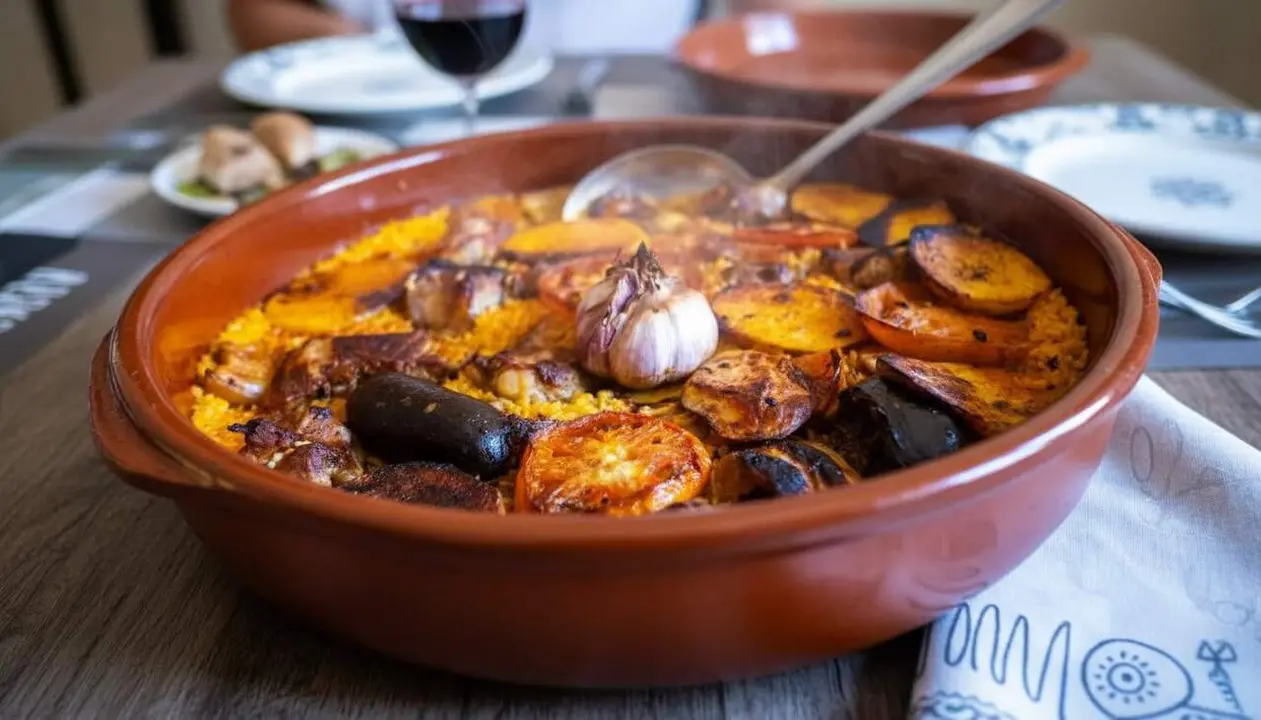

Valencian experts agree that authentic baked rice is not made with water, but with a ratio of two parts broth for every part of rice. This proportion is key to achieving a dry but flavorful rice that absorbs all the richness of the broth and the accompanying ingredients. Moreover, the dish is traditionally cooked in a clay pot that distributes heat evenly, enhancing the final texture and flavor.
The result is rice with a golden and slightly toasted surface, contrasting with a smooth interior loaded with aromas. This balance of textures and the intensity of the broth make it very different from other ways of preparing rice, such as paella or soupy rice.
Ingredients
- 4 strips of bacon
- 16 pieces of rib
- 4 blood sausages
- 4 slices of potato
- 4 slices of tomato
- 1 head of garlic
- 250 g of chickpeas
- 100 g of grated natural tomato
- Rice (80 g per person)
For the broth
- 300-400 g of pork bones
- 200-300 g of beef bones
- 1 onion
- 2 carrots
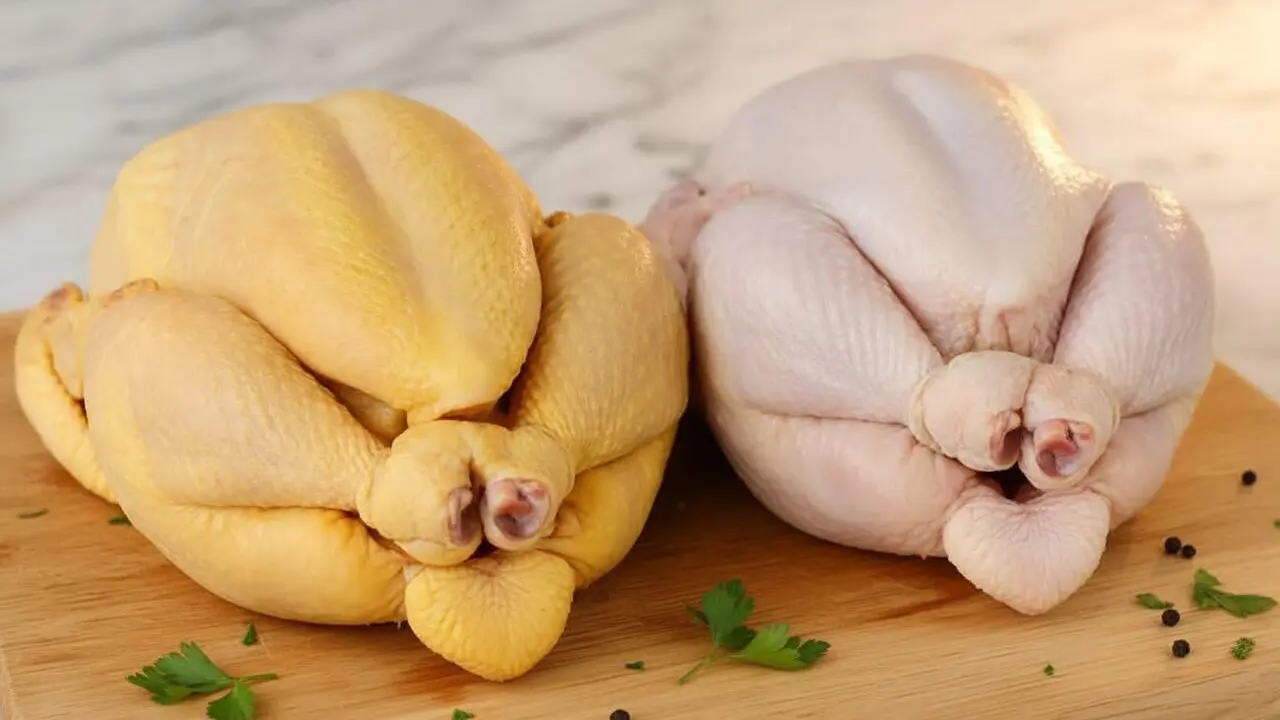
- 400-500 g of hen (carcass or pieces with bone and meat)
- 1-2 stalks of green celery
- Coloring to taste
- 1 teaspoon of fine salt
Preparation
Step 1: Preheat the oven
Preheat the oven to 250 ºC for 10 minutes. This high temperature is essential to achieve the characteristic toasted layer of the dish.
Step 2: Sauté the tomato and chickpeas
In a pan, sauté the grated natural tomato along with a clove of garlic. Add the chickpeas that should have been soaked overnight and cook everything together until the tomato loses its moisture and the sauté is intense and aromatic.
Step 3: Brown the meat
In another pan, brown the bacon and ribs until they are well browned and crispy. The Maillard reaction that occurs here adds flavor and texture to the final dish.
Step 4: Assemble the pot
Place the chickpea and tomato sauté in a clay pot. Add the raw rice, 80 grams per person, and stir to fully integrate the ingredients.
Step 5: Add the hot broth
Incorporate the hot broth, preferably homemade, at a ratio of 2 parts broth to 1 part rice. This step is essential to maintain temperature and ensure homogeneous and complete cooking of the rice.
Step 6: Finish with meat and vegetables
Add the browned bacon and ribs, the slices of tomato and potato, and the rest of the head of garlic. Taste and adjust the salt level before baking.
Step 7: Oven cooking
Bake at 250 ºC for 20-30 minutes, until no broth is visible and the rice is cooked, with the top layer slightly toasted and crispy. It is important not to open the oven during cooking to avoid heat loss and ensure a uniform texture.
Final tips
Plates and textures
Serve in the same clay pot to preserve temperature and humidity. The combination between the toasted top layer and the tender thickness of the rice provides a sensory contrast that defines the dish.
Substitutions and storage
Blood sausage and chickpeas can be substituted, but to respect Valencian authenticity, it is advisable to maintain the rib-bacon-blood sausage triad and the chickpea. Homemade broth is key: it provides flavor and body that industrial broth cannot match. The dish keeps well for one day in the refrigerator and it is recommended to reheat it in the oven to reactivate the texture.
The tradition of this dish is so lively that the custom of bringing the covered pot to the village wood oven is still maintained, a gesture full of memory and community.
For more details on preparation and the recipe, you can also consult related articles such as those by Expertos alicantinos or the advice of Los expertos.
Authentic Valencian baked rice is not just a dish, but a living testimony of the region’s culture and gastronomic history, a perfect balance between intense flavor and contrasting texture that invites sharing.