
How to store bananas in the summer according to expert chefs and tips
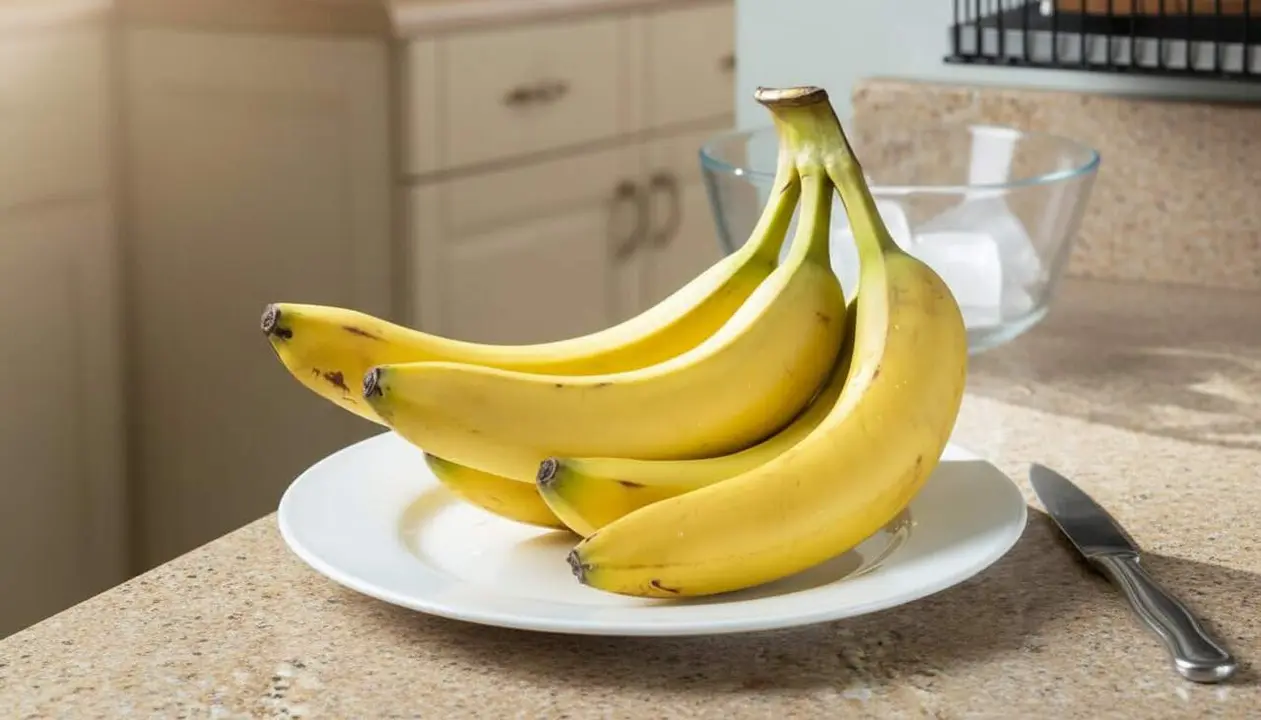

Bananas are a fruit that can lose freshness quickly if not stored properly, especially in the summer. Their accelerated ripening due to heat causes them to oxidize and darken in a short time, generating waste and loss of flavor.
For this reason, expert chefs and industry professionals have studied the most effective ways to keep them in optimal conditions during the warmer months, avoiding common mistakes that worsen their condition.
Bananas in summer: why is preservation a challenge?
Why is it important to control ripening in summer?
High temperatures speed up the natural ripening process of the banana, which causes the fruit to spoil much faster. Bananas exposed to more than 20 degrees tend to oxidize and lose texture within days. Therefore, controlling the temperature and avoiding situations that cause deterioration before time is essential for any consumer or professional who wants to avoid waste and maintain quality.
What advice do experts give for better banana preservation?
Chefs and fruit specialists agree on recommending not to store bananas in the fridge when they are green or in the process of ripening. Cold can affect the peel and cause them to turn black prematurely, even if the flesh is still acceptable. Instead, the ideal place is a space with a stable temperature between 10 and 20 degrees, without drafts or direct exposure to heat sources.
Practical tricks to extend the freshness of bananas at home
How does plastic wrap affect preservation?
Covering the tip of the bunch stem with a piece of transparent plastic wrap or aluminum foil is a simple but effective way to delay ripening. This reduces exposure to oxygen, which is responsible for the banana ripening faster. This technique can extend the fruit’s freshness for several days, especially useful during the summer months when deterioration accelerates.
Why not separate the bunch?
Experts recommend keeping the bunch together. When bananas are separated, exposure to air multiplies and, therefore, the ripening process speeds up. Keeping them together helps protect them and better preserve texture and flavor.
Other key factors to preserve bananas and avoid waste
Which fruits should be avoided near bananas?
Fruits that release ethylene like apples, pears, mangoes, avocados, and kiwis accelerate banana ripening when nearby. Separating bananas from these fruits is fundamental to delay their deterioration. This natural gas acts as a catalyst for the ripening process, and avoiding it helps preserve the fruit better.
How and why freeze bananas?
When the banana is too ripe and cannot be consumed quickly, freezing it is a practical solution. They should be peeled, cut into pieces, and stored in airtight bags or containers. This way, they can be kept for months and used later for smoothies, desserts, or other recipes without losing properties or flavor.
This alternative prevents waste and makes the most of the fruit during summer.
The reality is that controlling ripening and properly preserving bananas allows you to enjoy them longer, especially when heat can be the worst enemy of the fruit. Applying these simple but effective tips, based on the experience of experts and chefs, is key to avoiding waste and keeping quality intact.
On the other hand, these methods also help preserve the nutritional properties of the banana, which vary depending on the degree of ripening. A ripe banana is sweeter and easier to digest, while a very green one can be heavier.
Expert chefs remind us that controlling ripening is a vital element to make the most of this fruit so common in kitchens.