How arroz a banda went from fishermen's food to an icon of Valencia
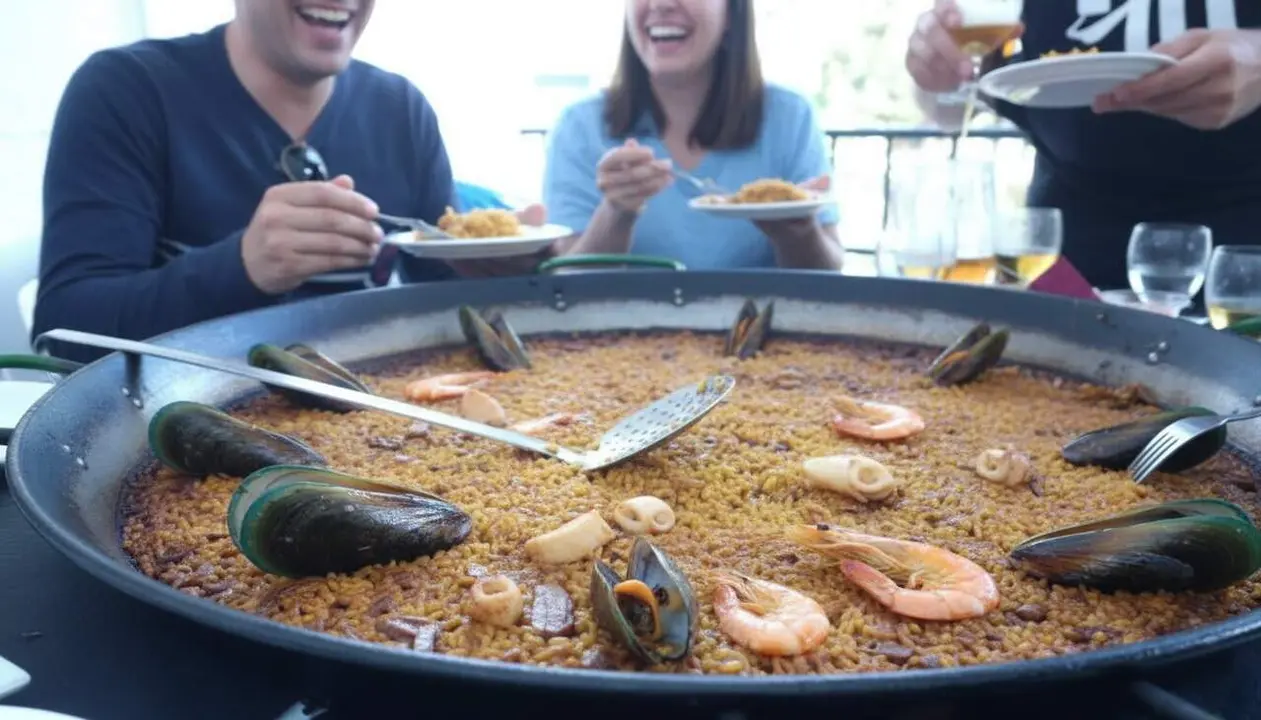

Arroz a banda was not always the star dish we know today in Valencia and Alicante. Only a century ago, it was the answer to the hunger of fishermen who made use of what no one wanted. A subsistence dish that today shines on the menus of the best Mediterranean restaurants.
Its origin lies on the Alicante coast in the 20th century, when morralla — low commercial value catch — became the base of a potent broth that gave life to simple but flavorful dishes. This recipe transcended time and conditions to become a gastronomic symbol.
The taste that saved long days at sea
Morralla, the fishermen’s hidden treasure
Fishermen used morralla — small, bony fish without market value — to prepare an intense fumet that served as the base for two dishes: caldero marinero and arroz a banda. The latter was called thus because it was cooked separately from the fish, making the most of the resources they had at hand.
The indispensable complement was allioli, which provided calories and a touch of creaminess. This combination of low-cost and flavorful ingredients was key to enduring the hard fishing days.
From survival dish to culinary tradition
Over time, what was a necessity became a tradition. The simplicity and intense flavor of the dish captivated palates beyond the fishing world. Thus, arroz a banda began to break barriers beyond Alicante.
Now, it is common to find this culinary legacy in many restaurants, where the essence is respected and modern touches are added to entice new diners.
What makes arroz a banda a unique flavor in Valencia and Alicante
The fumet, the soul of the dish
In the Valencian Community, stews and rice dishes are almost a religion. But what makes arroz a banda unmistakable is its fumet. Made with morralla, fish heads, garlic, and nyora pepper, this broth is the key that impregnates the rice with intense and unforgettable flavor.
Salmorreta, a typical sofrito mixing garlic, nyora, and tomato, adds the reddish touch and further enhances the taste. This combination differentiates arroz a banda from other Mediterranean rice dishes.
Simplicity with prestige: the original recipe
Although today it is common to find versions with cuttlefish, shrimp, or squid, traditional arroz a banda avoids visible chunks. It aims to let the rice absorb the fumet to the fullest, presenting a clean and impactful dish.
This simplicity is what makes it so authentic and valued within Valencian gastronomy, especially in the Alicante area where it was born.
The leap from fishermen’s kitchen to gourmet tables
From subsistence cooking to gastronomic fame
Arroz a banda has come a long way: from a humble dish for Alicante fishermen to becoming a star on luxury restaurant menus. Its success is based on the fusion of history and authenticity that attracts tourists and locals alike.
The versatility of the recipe has allowed the addition of more select ingredients without losing the maritime essence that makes it unique.
Not to be confused with caldero: the gastronomic boundary
Despite geographic proximity, arroz a banda is not caldero. The latter is typical of areas like Cartagena or the Mar Menor and is characterized by being served more brothy and with visible fish.
The distinction is clear and part of the culinary heritage of the Mediterranean coast. If you want to know more about traditional dishes, don’t miss articles about the typical food accompanying these areas and also about Cambrils and its relationship with the sea.