5 surprising uses for pistachio shells to improve your garden and stop pests
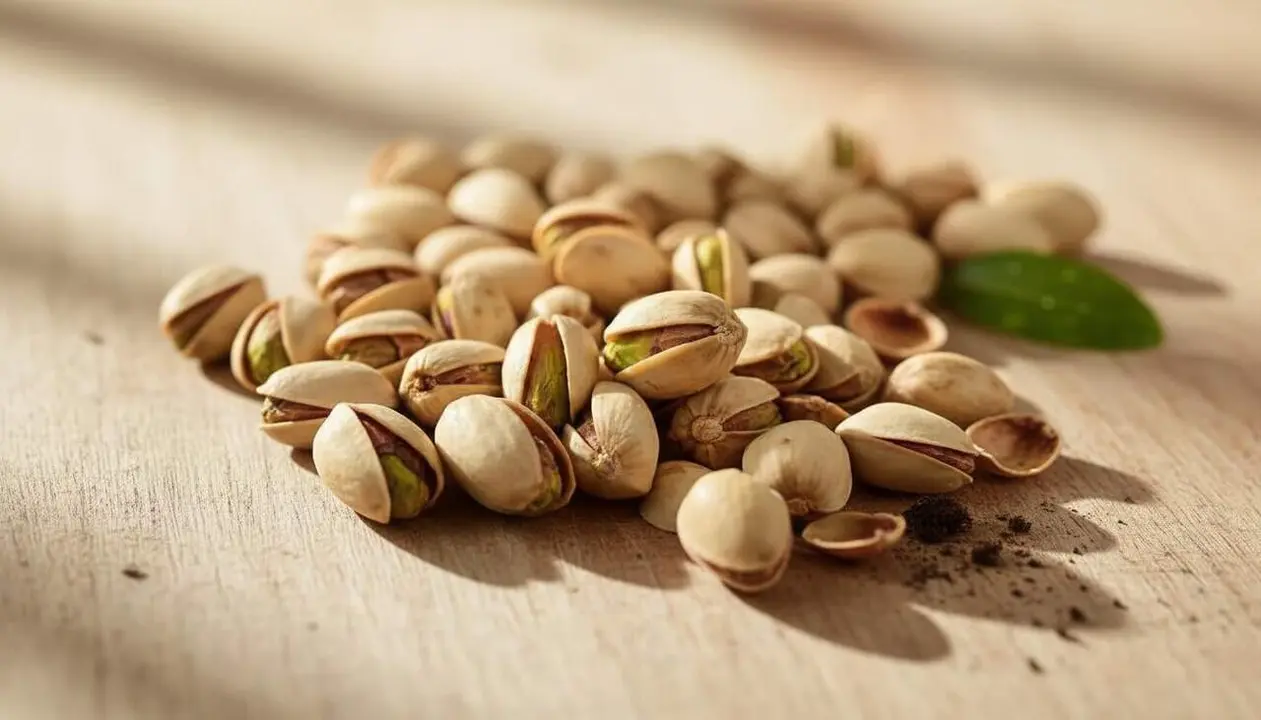

Pistachio shells are a natural resource that can transform the way we care for the garden. Their hard and resistant texture not only protects the fruit but is also used to improve soil health and prevent pests.
This often discarded residue offers multiple benefits ranging from retaining substrate moisture to creating a physical barrier against snails and slugs, especially useful in wet seasons. Additionally, reusing them helps reduce household waste, a practice increasingly valued in the sustainable management of green spaces.
How pistachio shells add value to compost and soil
Why is adding pistachio shells to compost useful?
Incorporating pistachio shells into compost provides carbon, an essential element to maintain a good balance between dry and wet materials during decomposition. This balance is key for microorganisms to break down organic matter efficiently and quickly. Although their degradation is slow due to their hardness, crushing them speeds up the process and facilitates microbial action, allowing the compost to improve in quality and provide nutrients faster.
How to prepare the shells for compost?
To maximize their effect, they should be broken into small pieces before adding. This increases the surface area for microorganisms and promotes more uniform decomposition. Additionally, it is important to combine them with moist, nitrogen-rich materials such as fruit scraps, vegetables, or freshly cut grass. This combination keeps the compost active and prevents it from drying out, improving its final quality as an organic fertilizer.
When the compost is mature, it incorporates organic matter and nutrients that enrich the soil, improving its physical and chemical structure. This promotes plant growth since the soil becomes more porous, allowing better aeration and water retention. In this sense, pistachio shells become a closed cycle that returns to the garden as a valuable resource.
Direct use of pistachio shells to protect and conserve the garden
How do they help retain moisture and prevent weeds?
Pistachio shells, when spread in a thin layer over the soil, reduce water evaporation, a crucial factor in dry climates or during periods of intense heat. This layer acts as a natural mulch that moderates soil temperature, preventing abrupt changes that can stress plants. Additionally, the cover hinders the appearance and growth of weeds by limiting the light and space needed for their germination.
What are the tips for applying them correctly?
The shell layer should be spread avoiding direct contact with trunks or stems, as excessive moisture in direct contact could promote diseases. It is also advisable not to pile them too thickly to ensure proper substrate aeration, which prevents compaction and the proliferation of hypoxia in the roots.
One of their main advantages is their resistance, as they decompose much more slowly than other organic materials like bark or leaf litter. This allows mulch made with pistachio shells to last for months, avoiding the need for frequent replacements and facilitating the conservation of the soil’s water and nutrient resources.
Shells as a natural barrier against pests in the garden
What do the shells do against snails and slugs?
Snails and slugs are common garden pests that can cause significant damage to tender plants. Crushed and spread around plants, pistachio shells create an uneven and rough surface that hinders the movement of these mollusks. This physical barrier does not eliminate the pest but reduces their ability to reach the most vulnerable leaves and shoots.
How to maintain the effectiveness of this barrier?
The arrangement of the shells should be checked periodically, especially after rain, strong winds, or heavy watering that could displace them and break the continuity of the barrier. The damper and shaded areas of the garden, where these animals usually shelter during the day, also require special attention to keep the barrier effective.
Precautions before using pistachio shells in the garden
Can shells with salt or seasonings be used?
Shells from pistachios with salt, spices, or other flavors are not recommended for garden use, as they may increase the salt concentration in the soil, negatively affecting plant health. If only this type of shell is available, they should be washed thoroughly with plenty of water and completely dried before applying.
What is the best option for reusing shells?
Natural, unseasoned shells are the best option to guarantee safety and effectiveness in compost and as mulch or barriers. This practice facilitates the reuse of a common kitchen waste, turning it into a valuable resource that contributes to sustainability and the good condition of the garden.
The use of pistachio shells not only offers an ecological solution to reduce household waste but also improves garden quality on multiple levels. This small gesture transforms a daily residue into an ally of sustainable gardening, providing texture, protection, and life to the soil.
To deepen knowledge about the pistachio and its applications, information about the Pistachio Tree can be consulted, a useful resource to better understand this tree and its possible contributions to the garden.