5 keys to achieving the perfect boiled potato: irresistible texture and flavor
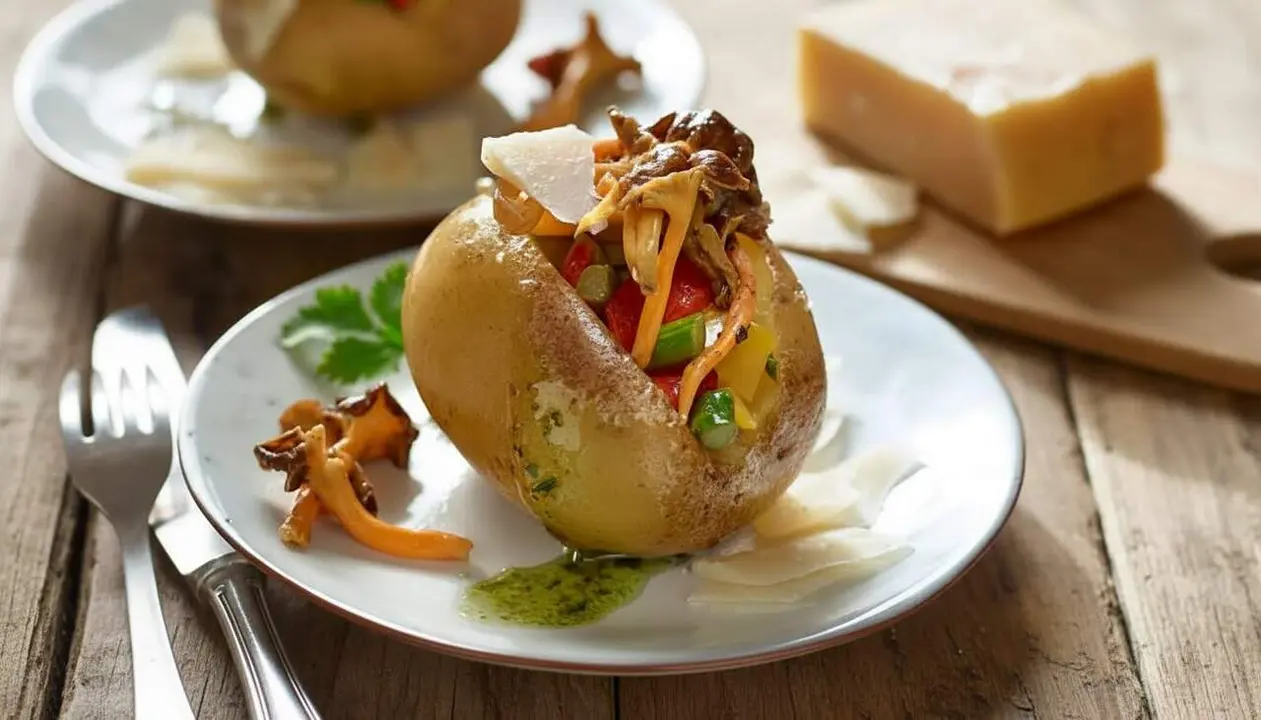

The key to an excellent cooked potato lies in the precise combination of temperature, time, and variety. The result is a perfect contrast between firm texture and a natural flavor that stands out in any dish.
When cooked properly, potatoes become versatile stars, capable of enriching salads, stews, or simply accompanying with a delicious touch.
Which potato varieties are best suited for each dish?
Why does choosing the right variety matter?
Choosing the right potato is essential to control the final result. Floury potatoes, such as Russet or Idaho types, are ideal for mashed potatoes and preparations where they should break down easily. On the other hand, waxy potatoes, like new or red ones, hold their shape better, perfect for salads or stews.
How does variety influence texture and flavor?
Waxy potatoes offer a more consistent texture and a more defined flavor, while floury ones provide creaminess and softness. This allows adapting preparations to the intended use, always keeping the potato as the main ingredient.
How to cook potatoes to maximize flavor and texture?
Why is starting with cold water key?
Placing the potatoes in cold water and letting it heat slowly prevents the skin from breaking and the interior from softening too quickly. This technique allows even cooking without absorbing excess water, preserving their firm texture and intense flavor.
What is the ideal cooking time and temperature?
Maintaining a gentle simmer, with a very slight bubble, for a period that can range between 15 and 30 minutes depending on the size and type of potato, is fundamental. This allows the potato to cook evenly and stay intact, avoiding the unpleasant contrast of hard and broken potatoes.
Which details make a difference in the final preparation?
Is it better to cook the potato with skin or peeled?
Cooking it with skin protects the potato during cooking, preventing it from absorbing too much water and losing flavor. Moreover, it makes peeling afterward easier, a practical advantage that helps maintain the ideal texture.
What optional additions enhance taste without losing naturalness?
Adding a spoonful of vinegar, salt, or a bay leaf to the cooking water can provide subtle aromatic notes that intensify the flavor. Additionally, a touch of butter or olive oil after cooking, depending on the recipe, enriches the texture and boosts aroma, especially in salads or as a side dish.
How to ensure a result that makes the potato shine?
What does slow and controlled cooking bring?
Slow cooking prevents temperature fluctuations that could make some potatoes too soft and others too hard. This ensures a consistent texture and intense, natural flavor, making the potato perfect for any dish and allowing a reduction of added fats.
How can cooked potatoes be stored for later use?
Once cooked, it is advisable to let them cool at room temperature and store them in an airtight container in the refrigerator. This maintains texture and flavor, allowing them to be reused in salads or fried without losing quality.
With these criteria, the cooked potato ceases to be a mere accompaniment to become a culinary star. Its firm texture, intense flavor, and versatility reveal an ingredient with unexpected prominence, capable of seducing the most demanding palates.
Those wishing to explore more about the potato will find a solid foundation in this guide to master its essence and get the most gastronomic benefit from it.